In the pantheon of Australian hardwoods, many are known for their deep reds and intense, dramatic grains. Then there is Tasmanian Oak -the elegant, versatile, and understated choice that has become an architectural darling across the country. Celebrated for its pale, modern aesthetic and exceptional workability, Tasmanian Oak is a premium material that brings light, warmth, and classic style to any space, whether as Tasmanian Oak flooring or high-end cabinetry.
If you are planning a renovation or building a new home and seeking a hardwood that combines durability with Scandi-inspired neutrality, this guide is your essential read. We will explore what makes this timber unique, where it comes from, its versatile applications (from Tasmanian Oak floorboards to furniture Tasmanian Oak) , and why it’s a favorite among designers.
Origin Story: What Exactly is Tasmanian Oak?
The name Tasmanian Oak is actually a commercial term used to encompass three distinct species of Eucalyptus found primarily in Tasmania and the mountainous areas of Victoria:
- Mountain Ash (Eucalyptus regnans): One of the tallest flowering plants in the world.
- Alpine Ash (Eucalyptus delegatensis): Found at higher altitudes.
- Messmate (Eucalyptus obliqua): Often mixed with the Ash species, sharing similar characteristics.
These timbers are collectively grouped as “Tasmanian Oak” because they share similar color, grain structure, and performance properties after milling. Crucially, they are not true “oak” timbers (which belong to the Quercus genus) but are high-grade Australian Eucalypts.
The Signature Look: Light and Luminous
The most striking feature of Tasmanian Oak timber is its colour palette:
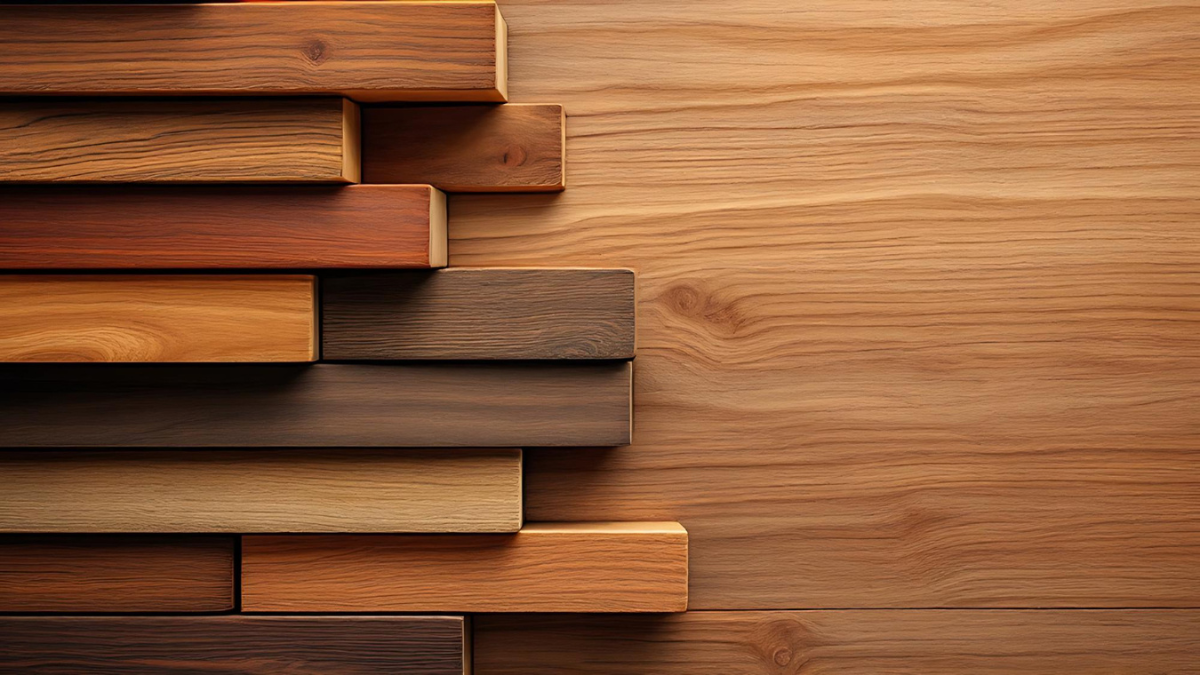
- Colour: It ranges from a pale straw or creamy white to light reddish-browns and warm honey tones. This light, neutral colour profile is key to its popularity in modern and minimalist interiors, where it helps to maximize natural light.
- Grain: The grain is typically straight, open, and even, which contributes to its fine, uniform texture. This subtle grain pattern makes it less visually dominating than timbers like Spotted Gum or Jarrah.
Performance Profile: Durability Meets Flexibility
While its colour is often mistaken for that of a soft timber, Tasmanian Oak is a medium-to-hard density hardwood, offering a strong balance of resilience and ease of manufacture.
A. Janka Hardness and Durability
Tasmanian Oak has a Janka hardness rating of approximately 5.5 kN.
- Compared to other hardwoods: This places it in the middle range. It’s softer than Ironbark (14.0 kN) and Spotted Gum (11.0 kN) but significantly harder than softwoods.
- Practicality: This makes Tasmanian Oak hardwood flooring durable enough for general residential use, including living areas and bedrooms, provided a good finish is maintained. Its density also gives it excellent acoustic properties.
B. Workability: The Cabinet Maker’s Delight
One of the greatest advantages of Tasmanian Oak timber is its outstanding workability.
- Ease of Machining: Its relatively straight and open grain means it cuts, planes, and sands exceptionally well without excessive tearing or chipping.
- Finishing: It readily accepts stains, polishes, and paints, allowing homeowners to customize the final look. For instance, it can be stained to mimic the darker tones of European Oak while maintaining its superior Australian durability.
- Gluing and Fastening: : It has excellent gluing properties and holds fasteners well, making it the preferred choice for complex joinery, frames, and high-quality furniture Tasmanian Oak.
C. Stability and Movement
While it is an Australian hardwood, Tasmanian Oak is known to be slightly less stable than extremely dense species. It is susceptible to movement (swelling and shrinking) if not properly seasoned and installed. This makes expert installation and proper acclimatization absolutely critical, especially when laying Tasmanian Oak floorboards .
Applications: Versatility in Design
From the ground up, Tasmanian Oak is a versatile material that ties interior elements together with a cohesive, light aesthetic.
1. Tasmanian Oak Flooring (The Foundation)
As a floor covering, Tasmanian Oak flooring delivers a clean, expansive look.
- Solid Timber: Tasmanian Oak timber flooring provides the warmth and durability of real wood. It is ideal for contemporary spaces where the flooring should complement rather than dominate the interior design.
- Parquetry and Herringbone: Its fine grain is perfectly suited to intricate parquetry and herringbone patterns, where the individual blocks must have uniform colour and grain to create complex, geometric designs.
2. Fine Furniture and Joinery
Its workability and ability to take a smooth finish make it highly sought after for furniture Tasmanian Oak.
- Cabinets: Used extensively for kitchen and wardrobe carcasses, doors, and drawer fronts, where the lightness can be paired beautifully with darker accents (e.g., black handles or stone benchtops).
- Paneling: Tasmanian Oak panel cladding or veneer is used to create stunning feature walls, ceiling linings, and detailed interior joinery, lending a subtle, sophisticated texture.
- Trims and Mouldings: Used for skirting boards, architraves, and window frames due to its dimensional stability and ease of cutting/mitering.
3. Staircases and Balustrades
The timber’s strength and clean appearance make it an excellent material for structural staircases, where it can be used for treads, risers, and handrails to create a cohesive link between floors.
Buyer and Installer Checklist: Mastering Tasmanian Oak
To ensure the beauty and performance of your Tasmanian Oak hardwood flooring investment are maximized, observe these critical steps:
- Acclimatization is Key: Due to its slight instability compared to denser species, ensure your Tasmanian Oak floorboards are delivered and allowed to acclimatize inside the home for at least two weeks before installation. This equalizes the moisture content with the ambient conditions.
- Select the Right Grade: Grades range from Select (clearest look, minimal features) to Standard/Feature (more knots, gum veins, and natural characteristics). Choose the grade that suits your tolerance for natural timber features.
- Finish for Protection: Always apply a high-quality polyurethane or oil finish. A matte finish will best preserve the light, natural aesthetic, while an oil finish will enhance the grain and allow for easier spot repairs. The finish is the first line of defence against the surface dents that its Janka rating of $5.5 \text{kN}$ is susceptible to.
- Professional Installation: Use specialized timber flooring professionals who are accustomed to working with medium-density Australian hardwoods, ensuring proper secret nailing or gluing techniques.
The Enduring Charm of Tasmanian Oak
Tasmanian Oak is more than just a beautiful timber; it is a versatile performer. Its pale, luminous tones offer the perfect blank canvas for any interior design, from classic country to sleek metropolitan. By choosing Tasmanian Oak flooring , joinery, or furniture Tasmanian Oak , you are investing in a product that combines the authentic beauty of native Australian wood with the flexibility and workability required by modern craftsmanship. It is a choice that guarantees both timeless elegance and reliable quality for decades to come.
Frequently Asked Questions (FAQ)
-
Q. Is Tasmanian Oak a true Oak species?
No. Tasmanian Oak is a commercial term that refers to three species of Australian Eucalypt (primarily Ash and Messmate). It is not related to the true Oak timbers (Quercus species) but is named for the perceived similar appearance of its seasoned timber. -
Q. How durable is Tasmanian Oak flooring compared to Spotted Gum or Ironbark?
Tasmanian Oak hardwood flooring has a Janka hardness rating of $\approx 5.5 \text{kN}$, making it a medium-density hardwood. It is very durable for residential use but is significantly softer than hardwoods like Spotted Gum ($\approx 11.0 \text{kN}$) or Ironbark ($\approx 14.0 \text{kN}$). It is recommended for standard living areas, but care should be taken to prevent major dents in high-impact zones. -
Q. Why is Tasmanian Oak a popular choice for modern design?
This lightness helps to maximize natural light, creating a sense of spaciousness and providing a subtle foundation that complements contemporary finishes, minimalist furniture, and light colour schemes, making it ideal for Tasmanian Oak panel walls and light floors. -
Q. Can I stain Tasmanian Oak to a darker colour?
Indeed. The open grain structure and light natural color of Tasmanian oak make it a great wood for staining. Because it easily absorbs stains, homeowners can combine darker hues like Jarrah or Walnut with Tasmanian Oak floorboards or furniture without sacrificing the wood’s distinctive grain character. -
Q. Is Tasmanian Oak a sustainable choice?
Generally, yes. The timber sold as Tasmanian Oak is typically sourced from well-managed, accredited sustainable harvesting programs in Tasmanian and Victorian native forests, ensuring that the supply of this premium Australian timber remains environmentally responsible for future use.