When it comes to building structures that must defy the elements be it on the water, next to the coast, or in perpetually damp environments not all plywood is created equal. The standard workhorse of construction, plywood, quickly breaks down when saturated.
Enter marine ply, the specialized, high-performance panel engineered for extreme moisture exposure. Specifically, the 12mm marine ply sheet stands out as an indispensable material, offering a perfect balance of strength, lightweight handling, and dimensional stability.
This guide is dedicated to dissecting this vital construction material. We’ll explore exactly what makes marine ply 12mm a superior choice, detail its unique benefits, and explain why a 12mm marine ply sheet is often the go-to thickness for everything from boat cabins to outdoor kitchens.
The Anatomy of Excellence: What is 12mm Marine Ply?
To understand the strength of a 12mm marine ply sheet, you must look beneath the surface. True marine plywood is defined by two key criteria that elevate it far above standard exterior plywood: the glue and the veneer quality.
1. The Critical A-Bond Glue Line
The number one feature distinguishing marine ply is the adhesive used to bond its veneers. It must be an A-Bond glue, typically a Phenol Formaldehyde (PF) resin.
- Permanent Bond: This glue is permanent, meaning the bond will not fail when exposed to continuous moisture, high heat, or fluctuating temperatures. It is often described as “boil-proof” because the glue line remains intact even when submerged in boiling water—a rigorous test of its durability.
- Structural Integrity: This permanent bond is what allows the entire panel to retain its specified structural strength (its F-rating) even when saturated. Standard exterior plywood often uses B- or C-Bonds, which are only water-resistant, not waterproof, and are prone to failure under prolonged stress.
2. Superior, Void-Free Veneers
The second factor is the quality of the wood veneers themselves. 12mm marine ply sheets are manufactured with strict rules regarding internal defects.
- Minimal Voids: True marine ply (often certified to standards like AS/NZS 2272 or BS 1088) is built with virtually no internal voids (gaps) between the plies. Voids in standard plywood act like sponges, trapping water through capillary action, which leads to internal swelling, decay, and catastrophic delamination.
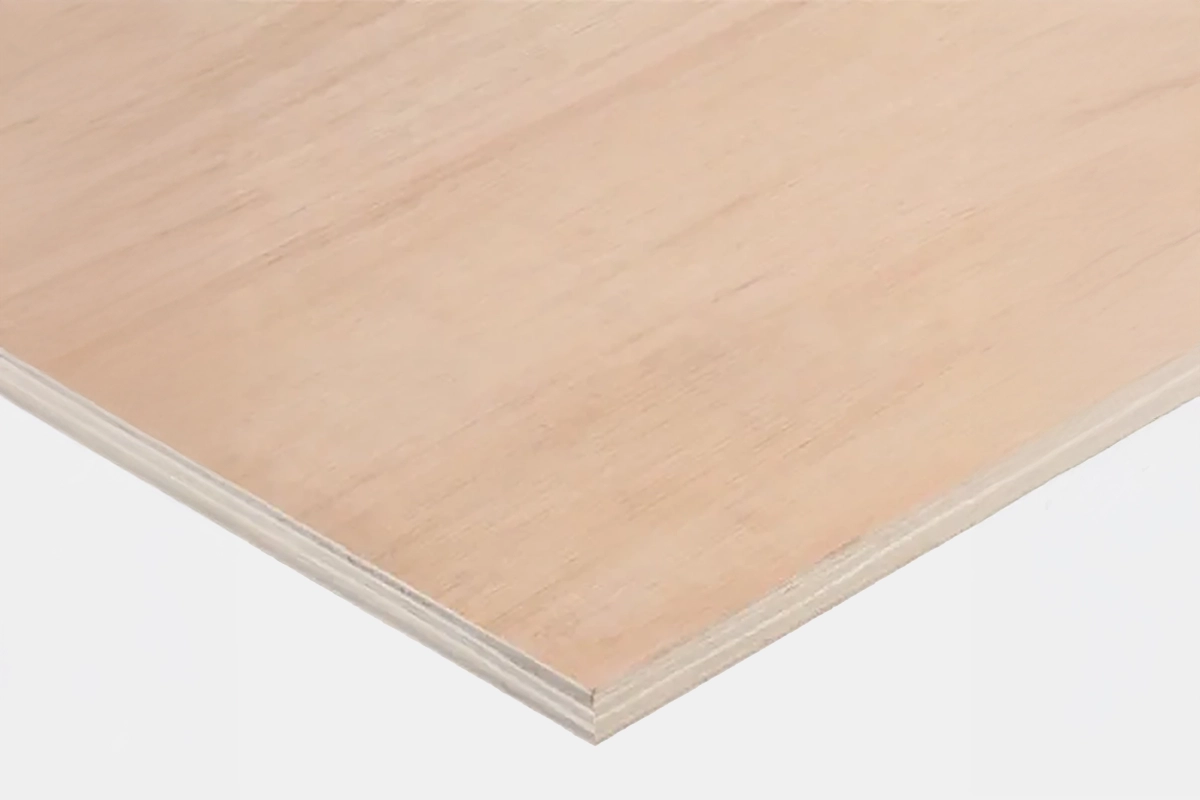
- Uniform Layers: The veneers in marine ply 12mm are thin and uniform. In a typical $12 \text{mm}$ panel, you might have 7 to 9 layers, ensuring exceptional stiffness and stability relative to its thickness.
Versatility in Thickness: Why 12mm is the Sweet Spot
While marine plywood comes in thicknesses from $4 \text{mm}$ to $25 \text{mm}$ and beyond, the 12mm marine ply is exceptionally popular because it strikes a perfect balance:
| Factor | Benefit of 12mm Marine Ply | Application Examples |
| Lightweight | Reduces overall weight of a structure, crucial for buoyancy and fuel efficiency. | Boat cabin sides, temporary flooring, lightweight bulkheads. |
| Strength-to-Weight | Provides significant stiffness and load-bearing capacity for its thickness. | Structural shelves, furniture carcasses, deck underlayment. |
| Workability | Easily bent or curved for hull and cockpit structures; easy to cut and handle on-site. | Curved seating, instrument panels, small boat decking. |
| Cost | More economical than thicker sheets while retaining full marine certification. | Outdoor kitchen doors, shed linings, bathroom partitioning. |
The 12mm marine ply sheet is thick enough to be structural yet thin enough to keep the overall build light and manageable.
Applications: Where 12mm Marine Ply Excels
The unique properties of a 12mm marine ply sheet make it essential for projects exposed to high moisture, water, or severe weather cycling.
A. Marine & Boat Building
This is the material’s namesake application. 12mm marine ply is a staple for:
- Bulkheads: Internal dividing walls in small to medium boats, providing lateral structural support.
- Cabin Furnishings: Doors, cabinets, and shelving within the vessel where condensation and splashes are inevitable.
- Cockpit Floors: Used as a strong, stable substrate for non-slip surfacing in smaller cockpits.
B. Outdoor & Wet Area Construction
Outside the maritime world, the waterproof properties of marine ply 12mm solve common construction problems:
- Outdoor Kitchen Carcasses: The structure of high-end outdoor kitchens that must survive rain and humidity.
- Coastal Housing: Cladding, soffits, and fascia in extreme coastal environments where salt spray and continuous dampness would quickly destroy standard plywood.
- Bathroom Substrates: Used as a superior substrate behind tiles in high-risk zones like shower walls or wet room floors, offering exceptional peace of mind against water leaks.
- Trailer and Camper Fabrication: Flooring, walls, and internal components of trailers and campers, which constantly battle condensation and road spray.
Buyer’s Guide: Tips for Selecting True 12mm Marine Ply
Due to the premium price of marine ply, some retailers may inaccurately market standard exterior plywood. Always look for these signs of a genuine product:
- Look for the Stamp: The panel must be clearly stamped with the relevant Australian Standard AS/NZS 2272 or the international standard BS 1088. This certification guarantees the core quality and the use of A-Bond glue.
- Verify the A-Bond: The glue type must be explicitly stated as A-Bond (or AA Bond). This is non-negotiable for marine use.
- Check the Edges: Visually inspect the edges of the 12mm marine ply sheet. They should appear clean, uniform, and tight, with no visible gaps or dark voids between the layers. If you see internal gaps, it is not true marine ply.
- Confirm Species: Quality marine ply often uses durable species like Okoume, Gaboon, or certain Meranti, prized for their lightweight nature and stability.
Maintenance: Sealing the Deal
While the A-Bond glue in marine ply is waterproof, the wood veneers themselves are still wood. For the longevity of your 12mm marine ply project, the surface and edges must be protected.
- Seal All Edges: This is the most critical step. Every single cut edge exposes the timber’s end grain, which absorbs water fastest. Before installation, seal all cut edges with at least two coats of epoxy, marine varnish, or waterproof paint.
- Surface Finish: The top surface must be finished with an appropriate marine-grade paint, varnish, or penetrating epoxy system to protect the veneers from UV degradation, abrasion, and surface checking.
- Use Stainless Fasteners: Always use stainless steel (316 grade for saltwater exposure) or bronze fasteners. Galvanized or carbon steel screws will rust, staining and eventually degrading the surrounding wood.
The Investment in Peace of Mind
The extra cost of 12mm marine ply is not just a price; it’s an insurance policy. It guarantees that the structural components of your project will not fail due to water, humidity, or moisture cycling. Offering an optimal blend of low weight, high strength, and dimensional stability, the 12mm marine ply sheet remains the navigator’s choice a reliable foundation for any structure destined to thrive in the toughest conditions. Invest in the right material, and your project will stand the test of time, saltwater, and weather.
Frequently Asked Questions (FAQ)
- How is 12mm marine ply different from 12mm exterior plywood?
The main difference is the glue bond and core quality. 12mm marine ply uses permanent, boil-proof A-Bond glue and has a virtually void-free core (no internal gaps). Exterior plywood typically uses a B-Bond (water-resistant, not waterproof) and may contain internal voids, leading to eventual delamination in sustained wet conditions.
- Can 12mm marine ply be used for boat hulls?
Yes, marine ply 12mm can be used for the sides and bottom of smaller, lighter boat hulls. For larger vessels or areas subject to high impact, a thicker panel (like $18 \text{mm}$) is generally recommended. In all cases, the hull must be sealed externally with a fiberglass and epoxy system.
- Is marine ply completely resistant to rot and termites?
Marine plywood is highly resistant to rot and fungal decay because of its permanent A-Bond glue and void-free construction, which prevents water from pooling internally. However, it is typically not chemically treated to resist termites. If it’s used in a termite-prone area, it should be treated with an appropriate preservative.
- Why must I seal the cut edges of 12mm marine ply sheets?
The cut edges expose the timber’s end grain. While the internal glue is waterproof, the outer wood veneers will absorb water through the end grain, causing swelling and decay of the surface wood. Sealing the edges is crucial to prevent this moisture ingress and protect the overall longevity of the panel.
- What does the “A-Bond” certification mean on marine ply?
The A-Bond certification confirms that the adhesive used is a Phenol Formaldehyde (PF) resin that forms a permanent, structural bond. This means the marine ply sheets are guaranteed not to delaminate (separate) even when fully submerged or exposed to extreme heat and moisture cycles.