Birch Plywood: The Scandinavian Secret to Modern Design and Durability
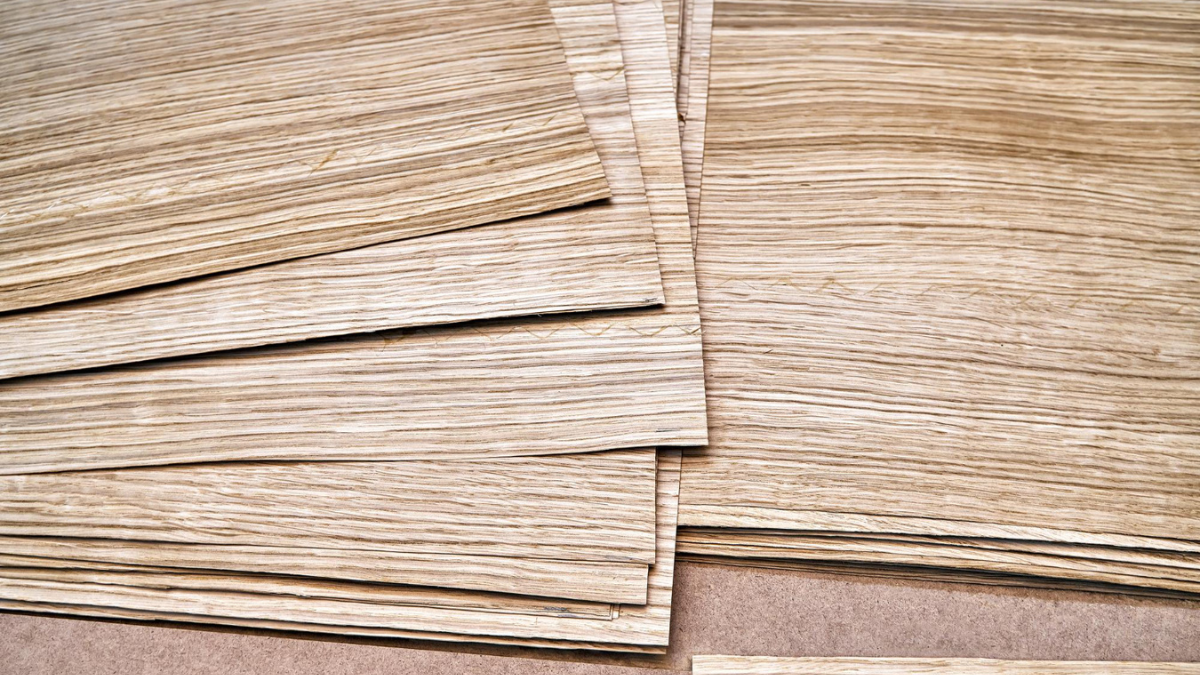
In the vast world of engineered timber, few materials possess the unique combination of aesthetic appeal, strength, and workability found in birch plywood . It is the silent star behind sleek Scandinavian furniture, minimalist interior architecture, and high-end cabinetry. Unlike standard construction plywood, birch ply transcends mere utility; it’s a design material prized for its clean, pale face, consistent grain, and layered edge detail.
If you are a beginner looking to understand the difference between standard ply and this premium product, or if you’re a builder searching for the perfect material to elevate a project in places like Melbourne, this comprehensive guide will explain why birch plywood is worth the investment.
What Exactly Is Birch Plywood? The Anatomy of Excellence
Birch plywood is a type of plywood made entirely from veneers of Birch wood (Betula pendula or Betula pubescens). This is the key difference from most commercial plywood, which often mixes softer veneers in the core. Birch ply is almost exclusively harvested from the cold forests of Eastern Europe and Russia, where the slow growth rate contributes to a high-density, high-quality timber.
A. The Layered Structure
Birch plywood is known for having a higher ply count than equivalent thickness panels made from softer woods.
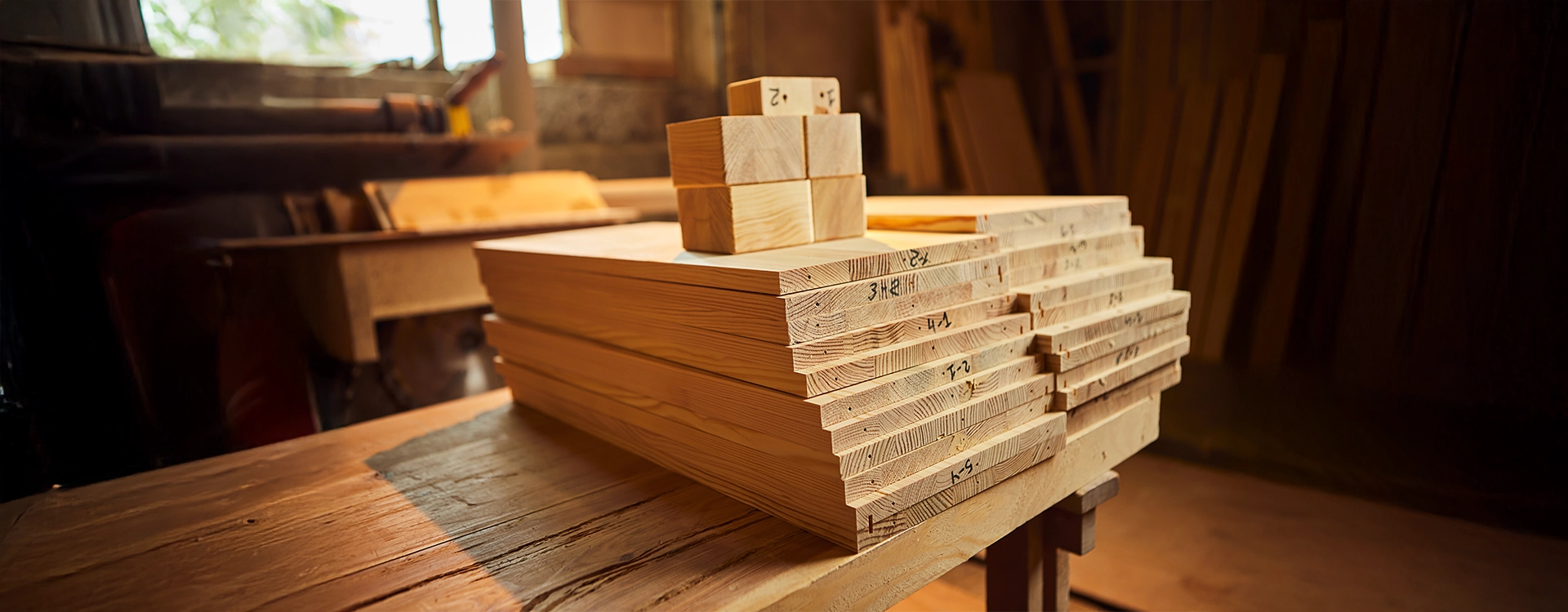
- Thin, Uniform Veneers: The veneers used are consistently thin, and in a typical 18mm birch plywood panel, you might find up to 13 to 15 layers. This density of layers is what gives the panel its exceptional stability and strength.
- Minimal Voids: True Baltic Birch (a common term for high-grade Russian/Baltic birch ply) is prized because its core layers contain virtually no gaps or voids. Voids in standard ply create weak points and trap moisture; the continuous layers in birch ply eliminate these structural flaws.
- A-Bond Glue: High-quality birch plywood uses exterior-grade, waterproof A-Bond (phenol-formaldehyde resin) adhesive, ensuring the layers remain permanently bonded even under high stress and moderate moisture exposure.
B. The Distinctive Aesthetic
The look of birch plywood is central to its appeal, making it a favorite for exposed edges and cabinetry:
- Pale, Uniform Face: The face veneers are clean, smooth, and feature a light, almost white to pale yellow hue with a very subtle, fine grain. This clean, bright surface is perfect for achieving a minimalist or Scandinavian look.
- Decorative Edge: When cut, the edge reveals the tight, uniform stack of thin layers. This striking striped edge is often left exposed, becoming a defining feature in cabinetry, shelving, and furniture design.
The Performance Advantage – Strength and Stability
The high-density construction of birch plywood 18mm (and other thicknesses like 12mm birch plywood and 15mm birch plywood) translates directly into superior performance compared to standard structural plywood or MDF.
A. Exceptional Dimensional Stability
Birch plywood’s multi-layered construction, with adjacent grains running perpendicular, makes it exceptionally stable. It resists warping, twisting, and cupping far better than solid timber or lower-grade plywood, making it ideal for making doors, large tabletops, and panels that need to remain perfectly flat.
B. Superior Screw Holding
Due to the density of the Birch timber and the multitude of internal layers, the wood fibers compress tightly around fasteners. This gives birch plywood superior screw and nail retention compared to softwoods or medium-density fiberboard (MDF). This is a critical advantage when building sturdy cabinets and drawer boxes.
Applications – Where Birch Plywood Shines
While more expensive than standard pine plywood, the premium finish and structural reliability of birch ply make it the economical choice for applications where the material itself forms part of the final look.
- Furniture and Cabinetry: The most common use. 18mm birch plywood is perfect for cabinet carcasses, drawer boxes, shelving, and exposed cabinet fronts. Its smooth surface requires minimal preparation before finishing.
- Interior Panelling: Used for clean, modern wall and ceiling linings where the subtle wood grain and light colour are desired. 12mm birch plywood is often used for this non-structural decorative application.
- CNC Machining: The lack of voids and consistent hardness make it the material of choice for CNC cutting and routing. The edges are clean and precise, requiring less sanding after machining.
- Children’s Toys and Educational Equipment: Its non-toxic nature, smoothness, and strength make it ideal for crafting high-quality, long-lasting toys and furniture.
- High-End Substrates: Used beneath laminate or veneer for premium tabletops or countertops where absolute flatness and stability are required.
Buying and Working with Birch Plywood in Australia
Acquiring and handling birch plywood requires a slightly different approach than standard construction timber.
A. Sourcing and Cost
Because it is imported, the price of birch plywood is significantly higher than locally sourced structural pine ply. In major cities like Melbourne, suppliers specializing in architectural timber are the best places to find high-grade panels. Searching for birch plywood Melbourne will connect you with suppliers who understand the differences in core quality and veneer grades.
B. Grading System
Be aware of the grading, which often uses a two-letter system (e.g., B/BB, BB/CP, C/C):
- First Letter (Face Grade):Refers to the best side, often the smooth, clean face. ‘B’ grade is virtually knot and defect-free.
- Second Letter (Back Grade): Refers to the underside, which may have minor knots or color variation.
For exposed furniture, B/BB is the ideal choice. For a basic cabinet carcass, BB/CP might be acceptable.>/p>
C. Working Tips
- Sharp Blades: Always use a new, high tooth-count blade (TCT or Carbide-Tipped) on a circular saw or table saw. Due to the high density and thin veneers, a dull blade will cause significant tear-out on the surface.
- Edge Sealing: Although the A-Bond glue is waterproof, if you leave the decorative edges exposed, they must be finished and sealed (with clear varnish, oil, or wax) to prevent moisture absorption and maintain the clean look.
- Sanding: Birch takes sanding extremely well, leading to a buttery smooth finish. Start with $120$-grit and progress to $220$-grit for a professional feel.
Dimensions and Specifications
Birch plywood typically comes in the metric dimensions common to European standards, often $1220 \text{mm} \times 2440 \text{mm}$ sheets, or the slightly larger Baltic size of $1525 \text{mm} \times 1525 \text{mm}$.
| Common Metric Thickness | Recommended Application | Key Consideration |
| 6.5 mm / 9 mm | Drawer bottoms, cabinet backing, curved forms | High strength for thin sheets |
| 12mm Birch Plywood | Wall paneling, smaller shelving, light-duty furniture frames | Excellent for non-structural interior lining |
| 15mm Birch Plywood | High-quality shelving, rigid cabinet components, drawers | Optimal balance of cost and strength |
| 18mm Birch Plywood | Cabinet carcasses, work surfaces, structural furniture (desks/tables) | The standard for heavy-duty joinery |
Birch plywood is more than just wood; it’s an engineered product designed for structural integrity and high visual appeal. Whether you’re a professional designer or a home hobbyist, the reliability and clean aesthetic of birch ply will ensure your projects look and perform better, standing as a testament to quality craftsmanship.
Frequently Asked Questions (FAQ)
-
Q. Why is birch plywood more expensive than standard pine plywood?
Birch plywood is more expensive because it is typically made from higher-density, imported Birch timber; it contains a higher number of thin, void-free veneers in the core; and it is manufactured using the premium, waterproof A-Bond adhesive, all of which contribute to its superior structural quality and aesthetic finish. -
Q.Can I use birch plywood outdoors?
Yes, you can, but with caveats. High-quality birch plywood uses an exterior-grade A-Bond glue, making the internal bond waterproof. However, the wood veneers themselves are still susceptible to UV damage and decay. For exterior use, every surface and cut edge must be sealed with an exterior marine varnish or epoxy to protect the wood fibers. -
Q. Is 18mm birch plywood a good substitute for MDF in cabinetry?
Yes, 18mm birch plywood is a superior substitute for MDF in cabinetry. It offers far greater screw holding power, is lighter, and is much stronger structurally. Furthermore, the exposed, layered edge of the birch ply is highly decorative and often left visible, whereas MDF edges must always be covered. -
Q. What is the Janka hardness rating of birch plywood?
The Janka hardness rating for Birch is typically around $1260 \text{lbf}$ (pound-force). This makes it significantly harder than pine and comparable to some soft hardwoods like Cherry, giving the birch plywood surface a good resistance to denting and wear. -
Q. Where can I buy high-quality birch plywood in Melbourne?
For the highest quality birch plywood Melbourne, you should look for specialist timber merchants and architectural joinery suppliers rather than standard big-box hardware stores. These suppliers are more likely to stock verifiable high-grade panels (like B/BB or BB/CP) with minimal internal voids, crucial for furniture making and exposed architectural elements.