Top 7 Benefits of Using Timber Shiplap Cladding in Modern Homes
In the evolving landscape of Australian residential design, architects and homeowners are increasingly moving away from the “sterile” look of rendered brick and opting for materials that tell a story. Among the most coveted materials in this movement is shiplap timber cladding.
Far from being just a coastal trend, shiplap has become a cornerstone of the “Modern Australian” aesthetic a style that prioritizes natural textures, sharp lines, and a seamless connection between the indoors and the elements.
But why exactly has this specific profile become the go-to for high-end builds? From the rugged resilience of spotted gum shiplap cladding to the thermal properties of the wood itself, we explore the seven defining benefits of this timeless material.
1.Distinctive “Shadow Line” Aesthetics
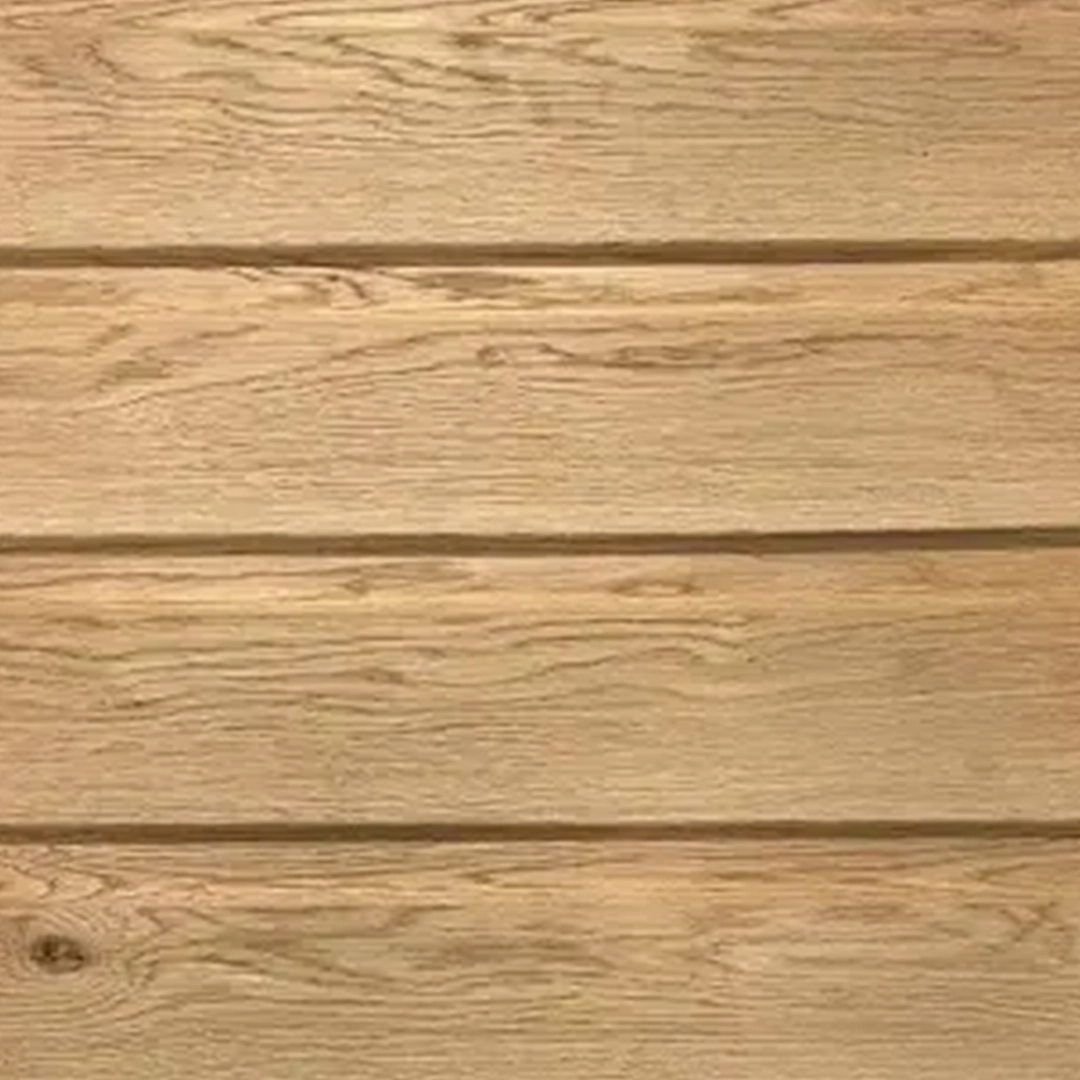
The primary draw of shiplap cladding is its unique profile. Unlike flush-jointed boards, shiplap features a “rabbet” joint that allows boards to overlap while leaving a slight, recessed gap.
This gap creates what architects call a “shadow line.” Depending on the time of day and the angle of the sun, these lines shift in intensity, giving the facade a dynamic, three-dimensional quality that flat surfaces simply cannot replicate. It provides a geometric precision that complements the clean, cubic forms of modern architecture.
2. Unrivaled Design Versatility
Whether you are aiming for a rugged mountain cabin vibe or a sleek, urban minimalist exterior, timber shiplap cladding adapts.
- Vertical Installation: Installing boards vertically is a hallmark of modern design. It creates a sense of height and a contemporary “barcode” effect.
- Horizontal Installation: This offers a more grounded, traditional look, perfect for Hamptons-style or classic coastal retreats.
- Mixed Materials: Shiplap pairs beautifully with industrial materials like polished concrete, black steel window frames, and glass, softening the “coldness” of modern construction.
3. Natural Thermal Insulation
Wood is a natural insulator, consisting of tiny air pockets within its cellular structure. When you apply exterior shiplap cladding to a home, you are essentially adding an extra layer of thermal protection.
Timber has a significantly higher R-value than steel, aluminum, or concrete. This means a home clad in shiplap stays cooler in the height of an Australian summer and retains heat more efficiently during winter. This “passive” temperature regulation reduces your reliance on air conditioning, lowering both your carbon footprint and your energy bills.
4. Superior Weather Protection
The name “shiplap” originates from shipbuilding, where boards were overlapped to create a watertight hull. In residential construction, exterior shiplap cladding utilizes this same logic to protect your home’s structural frame.
The overlapping joint naturally sheds water downward and outward, away from the internal wall cavity. When installed with a proper “rain-screen” system (using battens to create an air gap behind the wood), moisture is allowed to drain and evaporate, preventing the growth of mold and rot within the walls.
5. High Fire Resistance with Native Hardwoods
For many Australians, building in a Bushfire Attack Level (BAL) zone is a major concern. One of the greatest benefits of using Australian hardwoods like spotted gum shiplap cladding is their natural fire-retardant properties.
Spotted Gum is one of seven premium Australian hardwoods that have been tested and found suitable for use in construction in areas rated up to BAL-29 without needing additional chemical fire-retardant treatments. This allows homeowners in high-risk areas to enjoy the beauty of natural timber without compromising on safety or compliance.
6. Carbon Sequestration and Sustainability
In an era where sustainable building is no longer optional, shiplap timber cladding stands out as an eco-friendly choice. Timber is a renewable resource that requires significantly less energy to produce than brick, plastic, or steel.
Furthermore, timber acts as a “carbon sink.” As trees grow, they absorb $CO_2$ from the atmosphere and store it within their fibers. When that timber is used in your home, that carbon remains locked away for the life of the building. By choosing sustainably sourced, PEFC or FSC-certified timber, you are making a positive contribution to the environment.
7. Incredible Longevity and “Graceful” Aging
Unlike paint or render, which can crack, peel, and look “tired” after a few years, high-quality timber shiplap cladding ages with character.
Species like Spotted Gum or Ironbark are incredibly dense and durable, with lifespans often exceeding 40 years if properly maintained. Even if you choose not to re-oil the timber, many modern designs embrace the natural “silvering” process. The wood develops a weathered, driftwood-like patina that looks intentional and sophisticated, rather than dilapidated.
Choosing the Right Timber Species
The benefits of your cladding are only as good as the species you select. In Australia, the “Big Three” for shiplap are:
- Spotted Gum: Highly durable, fire-resistant, and visually striking with its wavy grain and mixed chocolate-to-grey tones.
- Blackbutt: A pale, honey-colored hardwood that is also fire-resistant and perfect for a “Scandi-coastal” look.
- Western Red Cedar: A lightweight softwood that is naturally resistant to termites and rot, prized for its deep reddish hues and excellent insulation.
A Sound Investment
Investing in shiplap timber cladding is an investment in “street appeal” and structural performance. It offers a rare combination of geometric modernism and organic warmth, backed by the physical benefits of insulation, weatherproofing, and fire safety.
Frequently Asked Questions (FAQ)
1. Does shiplap cladding require a lot of maintenance?
It depends on the look you want. If you want to keep the rich, original color of spotted gum shiplap cladding, you will need to re-oil it every 12-18 months. However, if you prefer the silver-grey weathered look, maintenance is minimal usually just a wash with soapy water once or twice a year to remove dust and salt.
2. Can shiplap be installed both horizontally and vertically?
Absolutely. Horizontal installation is classic and helps a building look wider and more traditional. Vertical timber shiplap cladding is the current trend in modern architecture as it draws the eye upward, giving the home a sense of height and a sleeker, more contemporary silhouette.
3. What is the difference between shiplap and “tongue and groove”?
Shiplap boards overlap via a rabbet joint, creating a more pronounced shadow line and allowing for more natural expansion and contraction. Tongue and groove boards interlock more tightly, usually resulting in a flatter, smoother surface with less visible “gapping.”
4. Is timber shiplap cladding waterproof?
When installed correctly with an overlap, shiplap is excellent at shedding water. However, it is not “airtight.” It must be installed over a breathable vapor barrier (sarking) and fixed to battens to allow for drainage and ventilation behind the boards.
5. Why is Spotted Gum so popular for shiplap in Australia?
Spotted gum shiplap cladding is favored because it is an Australian native that is incredibly hard-wearing (Class 1 durability) and naturally fire-resistant. It also has a unique “greasy” feel to the grain, which helps it resist moisture and provides a beautiful, varied aesthetic that ranges from light tan to dark brown.