Understanding Timber Grading Systems in Australia
When you walk into a timber yard or browse for hardwood flooring, the sheer variety of terms can be overwhelming. From Select to MGP12 or F17, these labels aren’t just marketing jargon; they are part of a sophisticated Australian regulatory framework designed to ensure safety, durability, and aesthetic consistency.
Understanding timber grading is essential for anyone involved in building or renovating. Whether you are choosing the best floor mop for hardwood floors to maintain a new install or specifying structural beams for a deck, knowing what these grades mean will save you money and headaches.
The Dual Nature of Timber Grading
In Australia, timber grading is split into two distinct categories: Structural grading and Appearance Grading (how it looks).
1. Structural Grading: Strength Above All
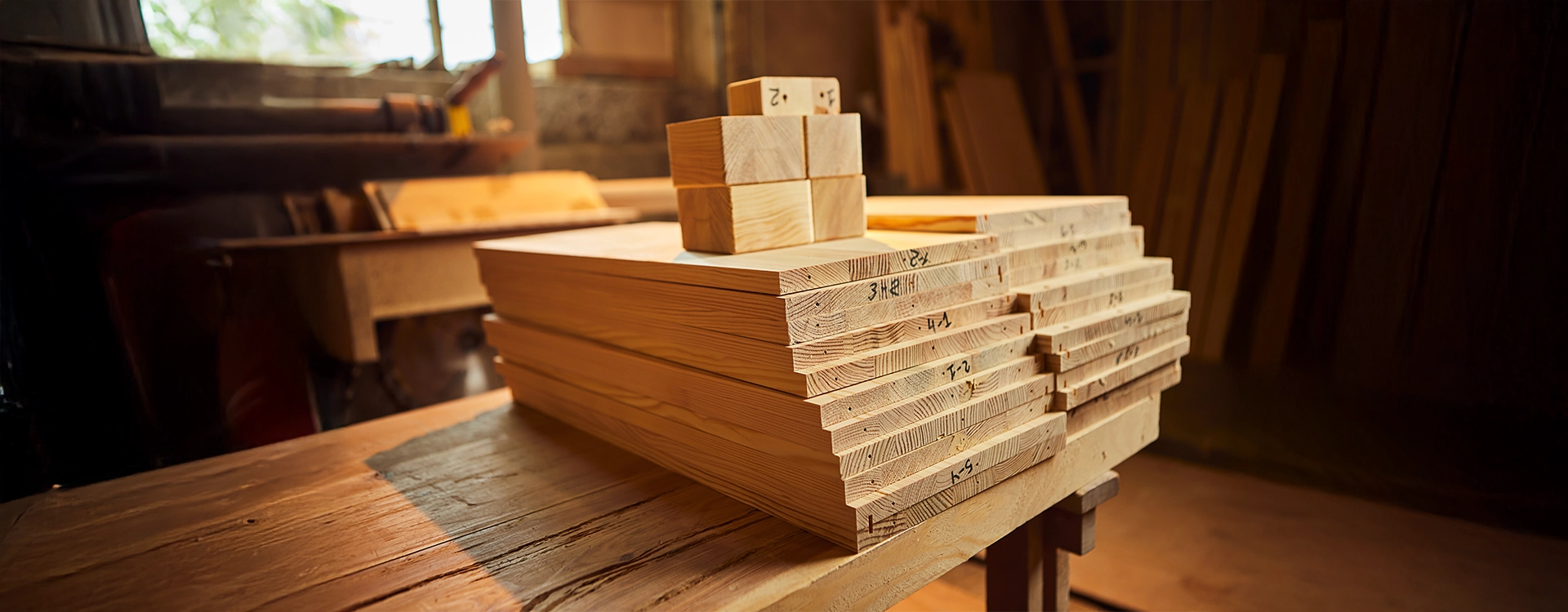
Structural grading ensures that a piece of timber can support the loads required in building applications.In Australia, we primarily use two systems: F-Grades and MGP-Grades.
F-Grades (Stress Grades)
F-grades (e.g., F5, F7, F17, F27) are the traditional way of categorisinghardwood timber flooring and structural members.The F stands for Force or stress in bending.
- F5 & F7: Common for treated pine used in outdoor framing.
- F17: Often referred to as the builder’s hardwood, commonly used for lintels and floor joists.
- F27: High-strength structural hardwood used for exposed beams or heavy-duty construction.
MGP (Machine Graded Pine)
Used almost exclusively for softwoods like Radiata Pine, MGP grading (MGP10, MGP12, MGP15) uses machines to measure the stiffness (Modulus of Elasticity) of the wood. While an F-grade looks at the weakest point (like a knot), MGP grading provides a more accurate representation of how the entire length of timber will perform under tension.
2. Appearance Grading: The Aesthetic Choice
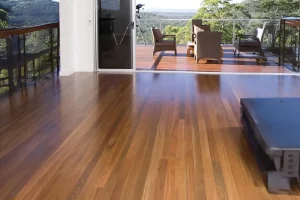
When it comes to hardwood floors, the grade doesn’t refer to quality; all grades are dried and machined to the same high standard, but rather to the amount of “natural character” visible on the surface.These are governed by AS 2796.
Select Grade (Prime)
This is the cleanest look available for hardwood flooring. It features a very low level of natural marks. You might see tiny pinholes or very thin gum veins, but the overall look is sleek and uniform. This is the top-tier choice for modern, minimalist homes.
Standard Grade
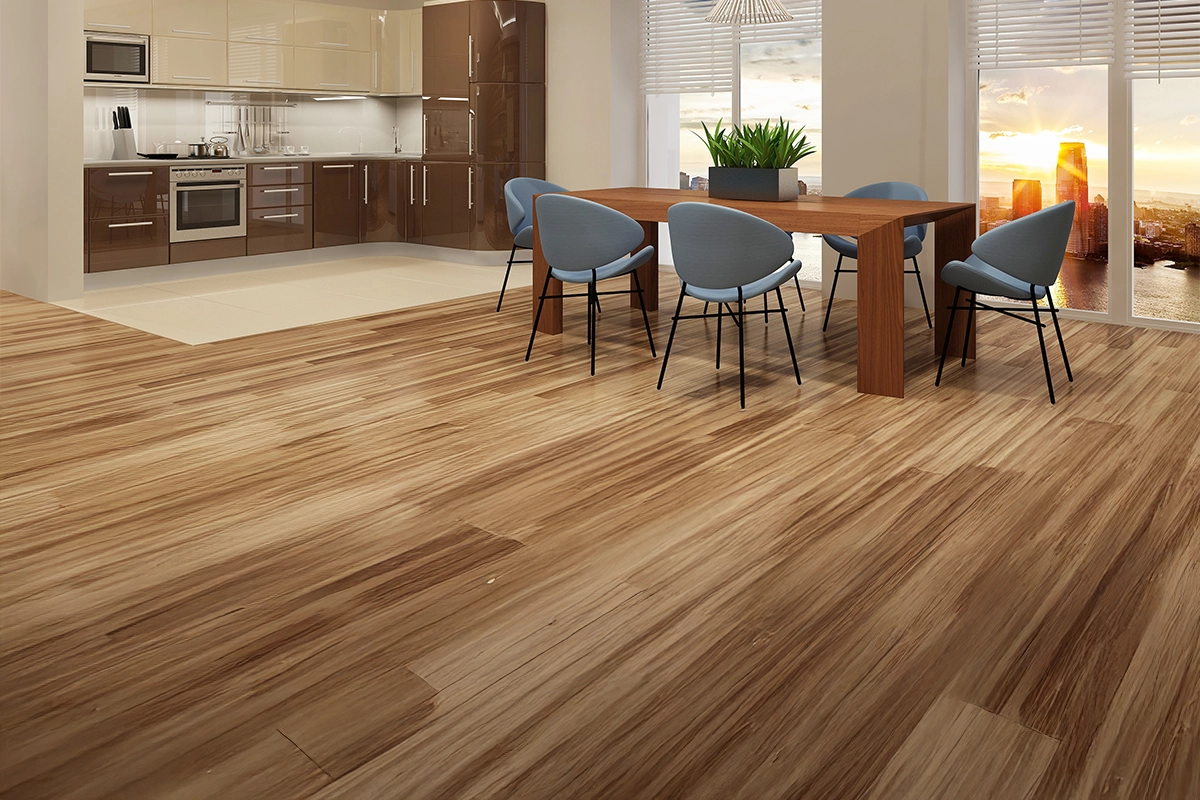
The industry favourite. Standard grade provides a balanced mix of clear wood and natural features like gum veins, knots, and borer marks. It provides that unmistakable look of hardwood floor wood, proving it’s a natural product rather than a synthetic laminate.
Feature Grade
For those who love the “raw” look of the Australian bush, Feature Grade is king. It includes significant gum veins, larger knots, and dramatic color variations. It is often the most affordable hardwood and flooring option, but it requires more “grading out” during installation to ensure structural integrity isn’t compromised by a large knot.
Why Grading Matters for Your Home?
Selecting the wrong grade can lead to two major issues: structural failure or aesthetic regret.
If you buy hardwood flooring without understanding the grade, you might be disappointed when your Select floor arrives with more gum veins than you expected, or your feature floor looks too busy for your small room.
Pro Tip: Always ask for a sample area photo or visit a showroom. A single 10cm sample piece cannot accurately represent a feature-grade floor that varies wildly across 20 square meters.
Hardwood vs. Softwood: The Australian Context
Australia is home to some of the densest and most durable hardwoods in the world. Species like Spotted Gum, Blackbutt, and Ironbark are global benchmarks for hardwood timber flooring.
Hardwoods are generally visually graded (F-grades) because their density and natural grain patterns are too complex for the simple MGP machines used for pine. When choosing hardwood flooring, you are investing in a material that, if graded correctly, can last over 100 years.
Maintenance and the “Best Floor Mop”
Once you’ve selected and installed your high-grade hardwood floor, maintenance is the next hurdle.
The best floor mop for hardwood floors isn’t actually a mop at all at least not a wet one. For Australian hardwoods, a microfiber spray mop is the gold standard. Excessive water is the enemy of timber; it can cause the wood to swell, cup, and potentially ruin the grading integrity of the installation. Use a pH-neutral cleaner specifically designed for timber to keep that Select or Feature grade looking vibrant.
Summary of Australian Timber Standards
| Grade Type | Key Standard | Common Grades | Best Used For |
| Structural Hardwood | AS 2082 | F14, F17, F27 | Beams, Joists, Posts |
| Structural Softwood | AS 1748 | MGP10, MGP12 | Wall frames, Trusses |
| Appearance (Flooring) | AS 2796 | Select, Standard, Feature | Hardwood flooring, Decking |
Frequently Asked Questions (FAQs)
- Does a lower appearance grade mean the wood is weaker?
No. In hardwood flooring, a Feature Grade board is just as dense and durable as a Select Grade board. The difference is purely visual. However, for structural applications, the grade (like F17 vs F5) directly relates to the load-bearing capacity.
- Can I use MGP10 pine for an outdoor deck?
Yes, provided it is treated to at least H3 level for weather exposure. However, many builders prefer F7 or hardwood timber flooring sub-structures for decks because they offer better resistance to bouncing over long spans.
- Is that the most popular grade for Australian homes?
Currently, Standard Grade is the most popular for hardwood and flooring projects. It offers the best value while showcasing the natural gum vein look that defines Australian species like Spotted Gum.
- How do I prevent my hardwood floor from scratching?
Apart from choosing a high Janka (hardness) rated species, using the best floor mop for hardwood floors (microfiber) prevents abrasive dirt from being dragged across the surface. Also, ensure you use felt pads under all furniture.
- Is Prime grade the same as Select grade?
Essentially, yes. While the official Australian Standard term is Select, many retailers use Prime or Classic to describe the cleanest look of hardwood flooring. Always check if the product meets AS 2796.