What Is Hardwood Flooring? A Complete Beginner’s Guide
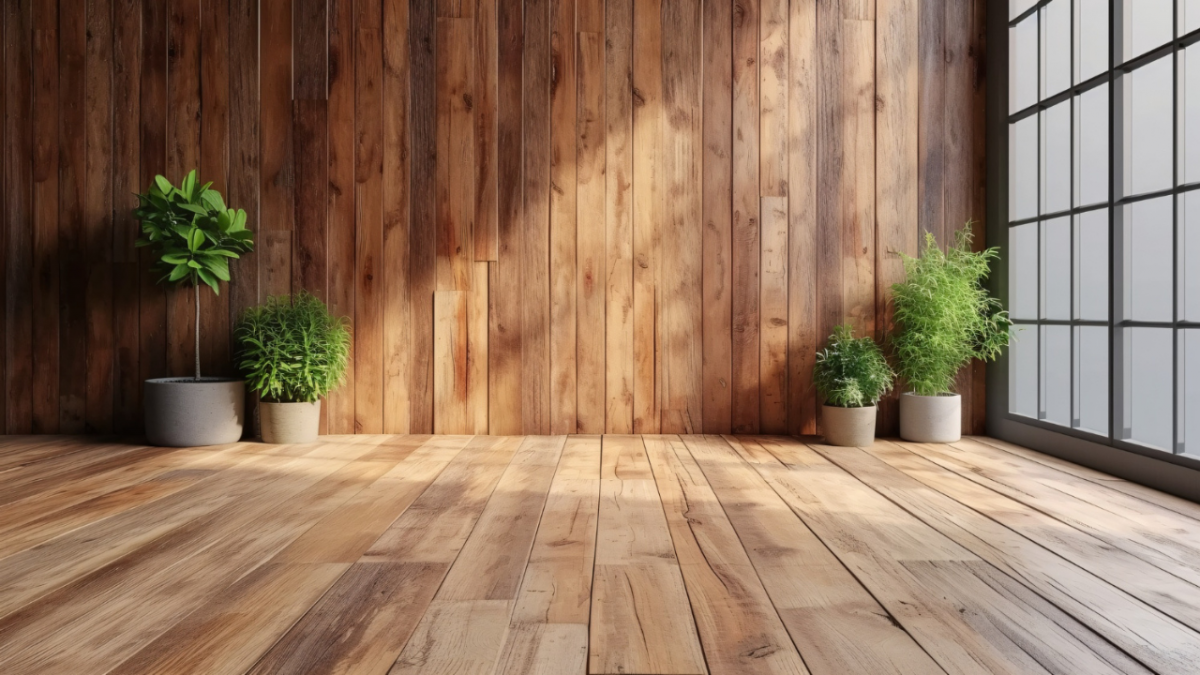
Choosing the right floor is one of the most significant decisions you’ll make during a renovation or new build. Nothing rivals the timeless beauty, warmth, and enduring value of hardwood flooring . It’s a classic choice that transcends trends, offering a blend of natural elegance and robust durability that few other materials can match.
If you’re stepping into the world of home improvement, understanding the basics of hardwood floor flooring—from its composition and types to its installation and care—is essential. This complete beginner’s guide will demystify flooring hardwood floors, helping you navigate the options and choose the perfect wood to transform your home.
Understanding the Basics: What Makes a Floor “Hardwood”?
The term hardwood flooring refers to flooring planks milled from the wood of deciduous trees—those that lose their leaves seasonally. These trees, such as Oak, Maple, Cherry, and Walnut, are generally slower-growing, resulting in wood that is denser, harder, and more durable than softwood (which comes from coniferous trees like Pine or Fir).
Key Characteristics of MGP10 Timber
- Density: Hardwoods are naturally more dense, giving them superior resistance to dents, scratches, and everyday wear and tear.
- Longevity: A well-maintained hardwood floor can last for decades, often exceeding the lifespan of the home itself.
- Aesthetics: The wide variety of species offers a vast palette of colors, grain patterns, and textures, ensuring a match for any interior design style.
- Treatment: In Melbourne, MGP10 used for external or hazard zone applications (like deck substructures or bottom plates) is often chemically treated (e.g., H2F for termite protection or H3 for external exposure).
Solid vs. Engineered: The Two Main Types of Hardwood Flooring
When you shop for hardwood flooring wood flooring, you will encounter two primary construction types. Understanding the difference between solid and engineered planks is crucial, as it dictates where the floor can be installed and how it will perform over time.
1. Solid Hardwood Flooring
Solid hardwood is precisely what its name implies: planks milled from a single, solid piece of timber.
- Thickness: Typically $3/4$ inch ($19 \text{mm}$) thick.
- Installation:Must be nailed or stapled to a wood subfloor.
- Durability: It is the pinnacle of longevity. Because the wear layer extends all the way through the plank, a solid hardwood floor can be sanded and refinished multiple times (up to 5-7 times over its lifespan).
- Best Placement: Due to its natural reaction to moisture, solid hardwood is best reserved for above-grade installations (ground floors and upper floors) where humidity is stable. It is generally not recommended for basements or over concrete slabs.
2. Engineered Hardwood Flooring
Engineered hardwood is a composite product designed for enhanced stability.
- Construction: Each plank consists of a thin veneer (or wear layer)of real hardwood bonded atop multiple layers of high-density plywood or high-density fiberboard (HDF). The core layers are arranged in a cross-grain pattern.
- Stability: The layered construction provides exceptional dimensional stability, meaning it is far less likely to expand, contract, warp, or cup in response to changes in temperature and humidity.
- Installation: Can be installed via nailing/stapling, gluing, or as a floating floor over various subfloors, including concrete slabs and in basements.
- Refinishing: The ability to refinish depends entirely on the thickness of the top veneer. A thicker veneer (3mm or more) can be sanded and refinished 1-3 times, offering substantial longevity.
Popular Hardwood Species and Their Unique Traits
When you shop for hardwood flooring wood flooring, you will encounter two primary construction types. Understanding the difference between solid and engineered planks is crucial, as it dictates where the floor can be installed and how it will perform over time.
| Species | Janka Hardness (Approx.) | Color & Grain | Key Trait |
| Oak (Red & White) | 1290 – 1360 | Light brown to reddish-brown; prominent, open grain. | Most popular choice; extremely durable and versatile. |
| Maple | 1450 | Creamy white to light brown; subtle, closed grain. | Very hard and resistant to denting; modern aesthetic. |
| Hickory | 1820 | Distinctive color variation; bold, strong grain. | One of the hardest domestic woods; ideal for high-traffic areas. |
| Walnut (American) | 1010 | Rich chocolate brown; smooth, elegant grain. | Softer than Oak, but prized for its deep, luxurious color. |
| Exotic Woods (e.g., Brazilian Cherry) | 2350+ | Deep red to mahogany; tight, dramatic grain. | Extreme hardness and unique, tropical aesthetic. |
Finishes: Protecting Your Investment
The finish applied to your hardwood and flooring acts as a protective shield against moisture, stains, and wear.
- Polyurethane (Poly): The most common finish. It forms a thick, durable, moisture-resistant layer on the surface. It is available in various sheens (matte, satin, semi-gloss). Polyurethane is highly effective but requires the floor to be sanded down completely when it’s time to refinish.
- Stability: The layered construction provides exceptional dimensional stability, meaning it is far less likely to expand, contract, warp, or cup in response to changes in temperature and humidity.
- Oil-Based Finishes (Penetrating Oils): These soak into the wood fibers rather than sitting on top. They leave a beautiful, natural, low-luster look and feel. Damage can often be spot-repaired without sanding the entire floor.
- Aluminum Oxide: A highly durable, factory-applied finish used on pre-finished hardwood. It is exceptionally scratch-resistant and provides the longest lifespan before refinishing is required.
Installation Methods for Hardwood Flooring
The method of installation depends on the type of plank you choose and the subfloor beneath it.
- Nail or Staple Down: Typically used for solid hardwood and some engineered planks. The planks are secured directly to a wooden subfloor (plywood or oriented strand board – OSB) using specialized floor nailers.
- Glue Down: Primarily used for engineered hardwood over concrete slabs. A moisture-curing adhesive is spread across the subfloor, and planks are pressed directly into it.
- Floating:Exclusive to engineered hardwood. The planks lock together at the edges (tongue-and-groove or click-lock) and float over a foam underlayment. No fasteners or glue connect the floor to the subfloor, allowing the floor to expand and contract freely.
Maintenance and Care: Keeping Your Hardwood Floor Beautiful
The secret to a beautiful, long-lasting hardwood floor is consistent, proper care.
- Routine Cleaning: Dust and dirt are the enemies of hardwood, acting like sandpaper. Sweep or vacuum (using the hard floor setting, never the beater bar) daily or every other day.
- Moisture Control: /strong>Wipe up spills immediately. Never use a soaking wet mop. Excessive water is the quickest way to damage a hardwood flooring wood flooring finish and cause the wood to swell or buckle.
- Recommended Tools: The best floor mop for hardwood floors is a specialized microfiber dust mop or a damp-mopping system that uses minimal water (e.g., a spray mop). Avoid harsh chemicals, vinegar, or steam cleaners, as they can dull or erode the protective finish.
- Protection: Use felt pads under all furniture legs and place area rugs in high-traffic zones (entrances, hallways) to protect against dents and scratches.
Hardwood Flooring vs. Laminate: A Common Confusion
It’s common for beginners to confuse hardwood flooring with laminate.
- Laminate is an entirely synthetic product. It has a core of HDF and a top layer that is merely a photographic image of wood, sealed under a clear wear layer.
- Hardwood (both solid and engineered) has a top layer that is 100% real wood. While laminate is scratch-resistant and budget-friendly, only real hardwood offers the natural warmth, unique grain, and the ability to be sanded and refinished. By understanding the differences between solid and engineered construction, choosing a species with the right Janka rating for your lifestyle, and committing to proper, minimal maintenance, you can ensure your hardwood flooring remains a stunning, valuable feature of your home for a lifetime.
Frequently Asked Questions (FAQ)
-
Q. Can I install solid hardwood flooring in my basement?
No. Solid hardwood flooring is highly sensitive to moisture and humidity fluctuations. Basements typically experience higher moisture levels, which can cause solid wood to swell, cup, or buckle. For basements, engineered hardwood (which is more dimensionally stable) is the recommended choice. -
Q. What is the Janka Hardness Test, and why does it matter?
The Janka Hardness Test measures the force required to embed a small steel ball halfway into a piece of wood. It matters because the Janka rating is the best indicator of a hardwood floor’s ability to resist denting and wear from furniture, pets, and foot traffic. Higher numbers (e.g., Oak at $\approx 1300$ or Hickory at $\approx 1800$) indicate greater durability. -
Q. How often do hardwood floors need to be refinished?
The need for refinishing depends on the type of wood and wear. Solid hardwood can typically be refinished multiple times over its lifetime. Most homes need to refinish their hardwood floor flooring only once every 10 to 20 years, depending on traffic and the quality of the original finish. -
Q. What is the best cleaning tool for hardwood floors?
The best floor mop for hardwood floors is a microfiber dust mop or a spray mop that applies minimal moisture. Never use a soaking wet string mop or excessive water, as moisture is the biggest threat to the finish and the wood itself. Avoid steam cleaners and vacuums with spinning beater bars. -
Q. Is engineered hardwood real wood?
Yes. Engineered hardwood is indeed real hardwood flooring wood flooring. The key difference is its structure: it has a top veneer of real, natural hardwood (the part you see and walk on) laminated over a durable, moisture-resistant plywood core. This makes it more stable than solid wood.