What Is Shiplap Cladding? A Complete Guide for Australian Homeowners
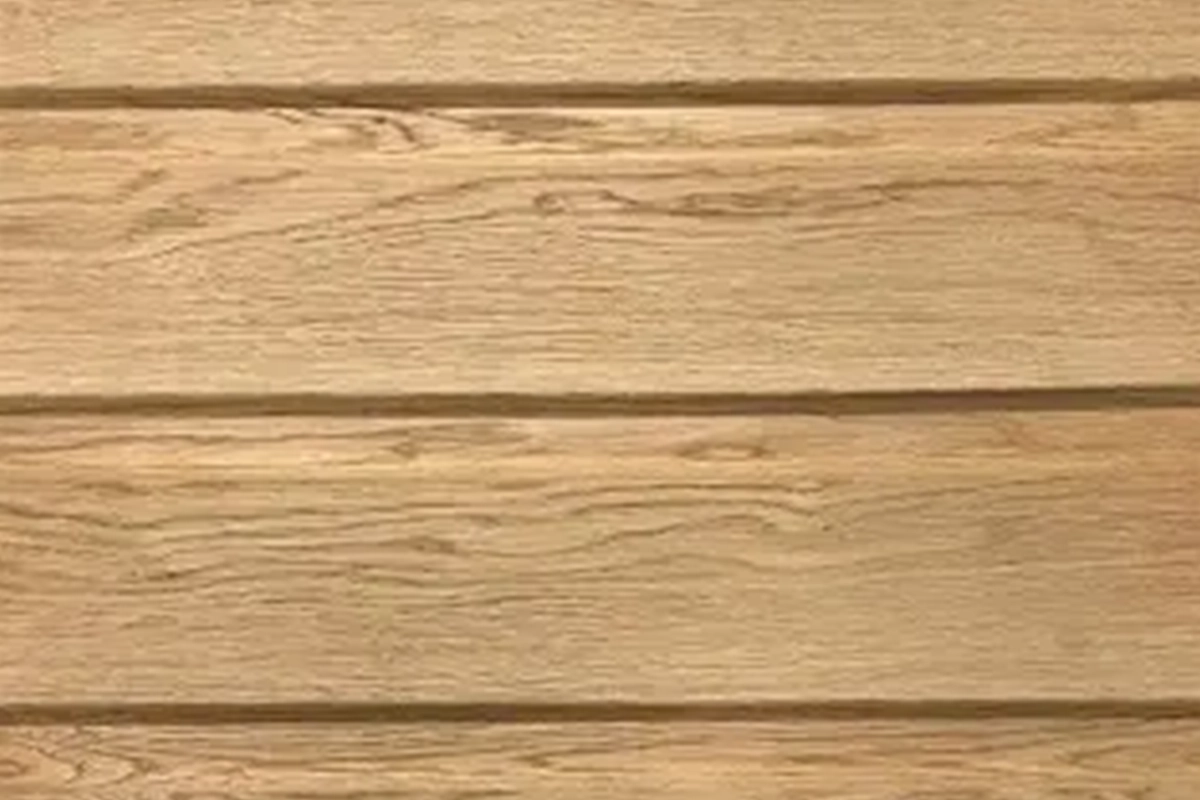
If you’ve spent any time scrolling through architectural digests or wandering through newly developed coastal suburbs in Australia, you’ve undoubtedly seen it: the clean, deep shadow lines and textured warmth of shiplap cladding.
Once a humble functional element used for sheds and maritime outbuildings, shiplap has undergone a massive design evolution. Today, it is a premier choice for Australian homeowners looking to blend contemporary crispness with the timeless appeal of natural wood.
We’ll break down exactly what this profile is, why it excels in the Australian climate, and how to choose the right materials from the rugged durability of spotted gum shiplap cladding to modern composite alternatives.
What Exactly Defines the “Shiplap” Profile?
The term “shiplap” refers specifically to the way the boards are joined. Unlike Tongue and Groove (T&G), where a protrusion on one board fits into a channel on another, shiplap boards feature a halved joint called a rabbet (or rebate) on opposite edges.
When these boards are installed, the top rabbet overlaps the bottom rabbet of the board below it. This creates:
- A Weathertight Seal: The overlap naturally sheds water away from the structure, protecting the frame from moisture.
- The Shadow Line: A small gap (the “recess”) is often left between the boards to create a distinct horizontal or vertical shadow line, which is the hallmark of the modern shiplap look.
- Expansion Room: The joint allows the timber to expand and contract naturally with temperature changes without the boards warping or popping out of place—a critical feature in the Australian heat.
Why Shiplap Cladding is Dominating Australian Design?
Australian architecture often seeks to bridge the gap between the rugged outdoors and sophisticated interiors. Timber shiplap cladding is uniquely suited to this task for several reasons:
1. The Versatility of Direction
Shiplap can be installed horizontally for a traditional, grounded, “Hamptons” or coastal cottage feel. However, the current trend in Melbourne, Sydney, and Brisbane is vertical installation. Vertical shiplap draws the eye upward, making structures feel taller and more modern.
2. Natural Insulation
Because shiplap timber cladding is typically made from dense hardwoods or treated softwoods, it acts as a natural thermal barrier. It helps keep homes cooler in the searing summer sun and retains warmth during the chilly southern winters, reducing reliance on artificial cooling.
3. Bushfire Resistance (BAL Ratings)
For many Australians, building in bushfire-prone areas is a reality. By choosing high-density species like spotted gum shiplap cladding, homeowners can often meet Bushfire Attack Level (BAL) requirements (up to BAL-29) without needing additional chemical treatments, thanks to the timber’s natural fire-retardant properties.
Material Selection: Choosing Your Shield
The performance of your exterior shiplap cladding depends almost entirely on the material you select. Here are the top contenders in the Australian market:
Spotted Gum: The Hardwood Heavyweight
Spotted gum shiplap cladding is the gold standard for durability. It is a stunning Australian hardwood characterized by vibrant colour variations—from pale greys to rich chocolate browns.
- Pros: Incredible Janka hardness, natural fire resistance, and a Lifespan of 40+ years.
- Cons: Higher price point and requires heavy-duty fasteners due to its density.
Blackbutt: The Coastal Favourite
Similar to Spotted Gum but with a more consistent, pale straw-to-honey colour palette. It is highly sought after for coastal homes where a light, “beachy” aesthetic is desired. Like Spotted Gum, it is also highly fire-resistant.
Western Red Cedar: The Lightweight Classic
Cedar is famous for its rich aroma and reddish-brown hues. While it is a softwood, it contains natural oils that protect it against rot and termites.
- Pros: Very easy to work with, excellent insulation properties, and shrinks/warps very little.
- Cons: Soft and prone to denting; requires regular oiling to maintain its colour.
Thermally Modified Timber
A newer player in the market involves heating timber to extreme temperatures ($180^{\circ}\text{C}$ to $210^{\circ}\text{C}$) in an oxygen-free environment. This changes the cellular structure, making the wood virtually “dead”—it won’t absorb water, won’t warp, and is highly resistant to rot.
Installation: Getting the Shadow Line Right
Installing exterior shiplap cladding is a precision task. Whether you are a DIYer or hiring a pro, these three steps are non-negotiable for a professional finish:
1. Sarking and Battening
Before the boards go up, the wall must be wrapped in a breathable vapour barrier (sarking). Then, vertical or horizontal battens are fixed to the frame. This creates a cavity behind the cladding, allowing air to circulate and moisture to drain away. Without this “breathable” space, the timber will rot from the inside out.
2. Pre-Oiling
Never install raw timber shiplap cladding and then try to oil it once it’s on the wall. You must oil all four sides (especially the back and the rabbet joints) before installation. This prevents moisture from entering the timber through the joints as the boards move over time.
3. Fastening
Always use 316-grade stainless steel screws or nails, especially within 5km of the ocean. Standard galvanized nails will react with the tannins in hardwoods like Spotted Gum, causing ugly black streaks that are impossible to remove.
Maintenance: The Secret to Longevity
Homeowners often fear timber cladding because of the maintenance, but it’s simpler than you think if you stay consistent.
- The “Silvering” Look: If you prefer a low-maintenance, weathered look, you can leave your shiplap to naturally turn a silvery-grey. This is a popular “Australian shed” aesthetic. Even then, a clear sealer every few years is recommended to prevent the wood from cracking.
- Colour Retention: To keep the rich reds of spotted gum shiplap cladding, you will need to re-oil the surface every 12–18 months. Modern water-based oils are easy to apply and clean up with soap and water.
- Cleaning: Every six months, give the cladding a gentle wash with a soft brush and a mild detergent to remove salt spray, spider webs, and dust. Avoid high-pressure washers, as they can strip the wood fibres and damage the finish.
Why Choose Shiplap?
Choosing shiplap cladding is an investment in your home’s “street appeal” and its structural longevity. Whether you choose the rugged, fire-resistant beauty of spotted gum shiplap cladding or the soft elegance of Cedar, the shiplap profile provides a level of depth and texture that flat render or brick simply cannot match. It’s a profile that respects the Australian heritage of timber construction while embracing the clean lines of modern design.
Frequently Asked Questions (FAQ)
1. What is the difference between shiplap and Tongue and Groove (T&G)?
Shiplap boards overlap with a simple rabbet joint, creating a visible shadow line and allowing for more natural movement. Tongue and Groove boards interlock more tightly with a “tongue” that fits into a “groove.” T&G usually results in a flatter, more seamless surface, while shiplap is prized for its defined recessed lines.
2. Can shiplap cladding be installed vertically?
Yes! In fact, vertical exterior shiplap cladding is one of the most popular trends in Australian modern architecture. It provides a contemporary, clean look and helps shed water more efficiently than horizontal boards.
3. Is timber shiplap cladding suitable for bushfire zones?
Yes, provided you choose the right species. Hardwoods like Spotted Gum and Blackbutt are naturally fire-resistant and are often approved for use in areas rated up to BAL-29. For higher ratings (BAL-40 or BAL-FZ), you may need to look at non-combustible composite or aluminium shiplap look-alikes.
4. How often does spotted gum shiplap cladding need to be oiled?
To maintain its original deep-brown and red tones, it should be oiled every 12 to 18 months. If the cladding is in a highly exposed northern-facing position, it may require more frequent attention than boards on a shaded southern wall.
5. Why are stainless steel fixings required for shiplap?
Most Australian hardwoods used for timber shiplap cladding contain high levels of natural tannins. These tannins react chemically with standard steel or galvanized nails, resulting in permanent black staining on the wood. 316-grade stainless steel prevents this reaction and resists salt-air corrosion.