What Is Spotted Gum Flooring? Complete Guide to This Australian Hardwood
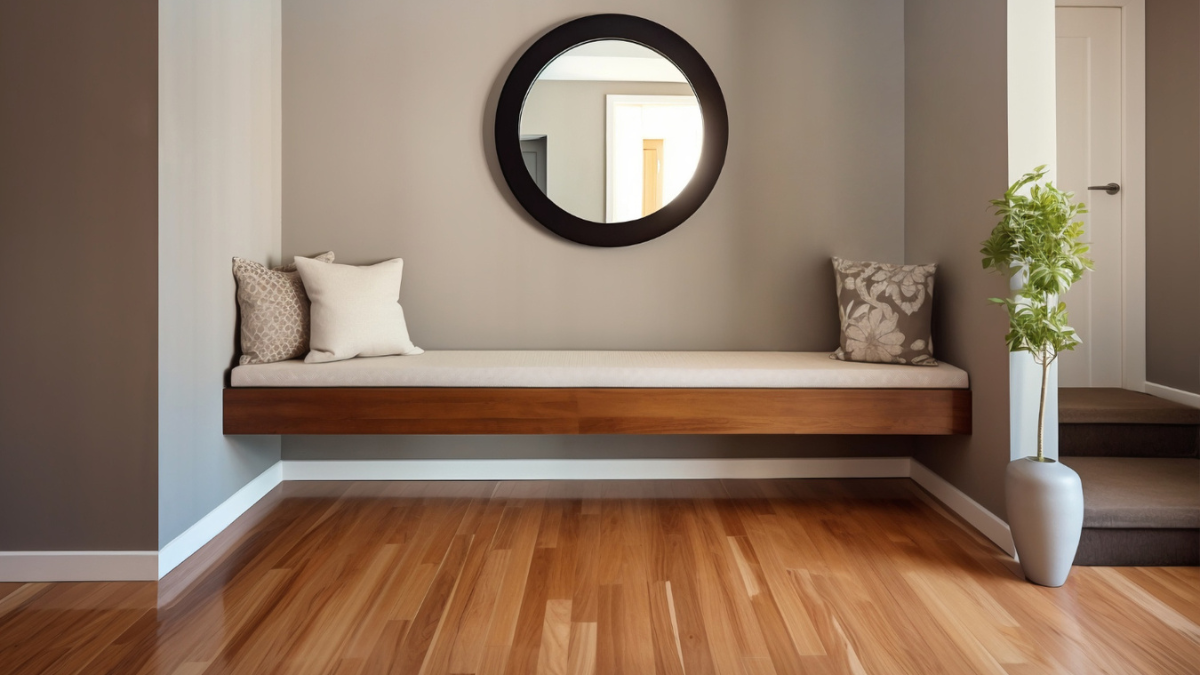
When renovating or building a new home, few decisions have a greater long-term impact than the choice of flooring. While trends come and go, nothing rivals the enduring quality, natural beauty, and sheer durability of authentic Australian hardwood. Among the elite species, Spotted Gum flooring stands out as an architectural favorite, celebrated for its striking colour variations, resilience, and unique grain.
If you’re seeking a floor that marries high performance with unparalleled aesthetic appeal, this guide is your comprehensive introduction to Spotted Gum timber flooring . We’ll delve into its distinctive features, explore its durability ratings, compare it to hybrid alternatives, and provide essential tips for maintenance and installation.
Part 1: The Essence of Spotted Gum (Corymbia Maculata)
Spotted Gum refers to four species of Corymbia native to the eastern coast of Australia. It is one of the continent’s most highly regarded structural and aesthetic timbers, recognized globally for its superior qualities.
A. A Kaleidoscope of Colour
The most defining feature of Spotted Gum flooring is its extraordinary colour variation. In contrast to uniform timbers, Spotted Gum has a complex color scheme that ranges from gentle browns and pale straw to deep chocolate, reddish-brown, and even olive-green tones. Each installation is guaranteed to be distinct because to this natural diversity, which gives the floor depth and personality that manufactured goods cannot match.
B. The Wavy, Interlocking Grain
Spotted Gum’s grain is typically interlocking and often wavy , which contributes to its incredible strength and resistance to splitting. This pattern, combined with the presence of small ‘dents’ or ‘spots’ (caused by pieces of bark shedding from the tree—hence the name), creates a highly figured surface that beautifully catches the light.
Part 2: The Structural Champion – Durability and Hardness
Flooring has to withstand daily life, and few timbers can rival Spotted Gum in terms of raw durability. This is where the timber moves from a beautiful choice to a highly practical investment.
A. Durability Class 1 & 2
Spotted Gum is generally rated as Durability Class 1 for above-ground use , meaning it has an expected life of over 40 years in exterior applications. For interior flooring, this translates to virtually limitless longevity. It has excellent natural resistance to fungi and decay, contributing to its reputation for exceptional performance in Australian climates.
B. Extreme Hardness (Janka Rating)
The Janka Hardness Test measures a wood’s resistance to denting and wear. Spotted Gum boasts one of the highest Janka ratings among commercially available Australian hardwoods, typically ranging from 11.0 kN to 12.0 kN .
Impact: Due to its great toughness, Spotted gum flooring is perfect for high-traffic areas like living rooms and hallways because it resists dents from dropped objects, high heels, and heavy furniture far better than softer timbers like pine or even classic oak.C. Fire Resistance
A significant advantage, especially in bushfire-prone areas, is Spotted Gum’s high natural density. It has been tested to meet specific fire resistance requirements and is commonly approved for use in high Bushfire Attack Level (BAL) zones up to BAL-29, offering a safe, beautiful, and compliant choice.
Part 3: Solid Timber vs. Hybrid Alternatives
The popularity of the Spotted Gum look has led to the development of synthetic alternatives. Understanding the difference between authentic spotted gum timber flooring and spotted gum hybrid flooring is essential for making a material choice based on long-term value.
A. Solid Spotted Gum Timber Flooring
This is the traditional, premium product: planks milled from 100% genuine Spotted Gum heartwood .
- Aesthetics: Offers the genuine, deep colour variation and unique lustre that only natural wood can provide.
- Longevity: Can be sanded and refinished multiple times over its lifespan, restoring it to a brand-new appearance even after decades of wear. This makes it a lifetime investment.
- Feel: Provides a quiet, solid underfoot feel and acts as a natural insulator.
B. Spotted Gum Hybrid Flooring
Hybrid flooring is a manufactured product designed to mimic the look of timber. It typically consists of a plastic/wood composite core (like Stone Plastic Composite – SPC or Wood Plastic Composite – WPC) with a photographic image layer of Spotted Gum printed on top, protected by a clear wear layer.
| Feature | Solid Spotted Gum Timber | Spotted Gum Hybrid Flooring |
| Material | 100% Natural Hardwood | Composite Core + Printed Image |
| Durability | Refinishable (40+ year life) | Wear Layer Life (8-15 years) |
| Aesthetic Depth | High (Natural grain and colour variance) | Moderate (Repetitive pattern) |
| Water Resistance | Low (Susceptible to warping/swelling) | High (Often fully waterproof core) |
| Value | Increases home value significantly | Does not add significant long-term value |
Hybrid is an alternative if your main priority is complete water resistance (for example, in a laundry room). However, spotted gum timber flooring is the unquestionably better option for a living space where you value warmth, authenticity, and a lifetime investment.
Part 4: Installation and Maintenance Essentials
Despite its high hardness, Spotted Gum is known for being slightly greasy, which can make it prone to movement if not properly handled during installation.
A. Professional Installation is Key
Due to its density and natural stability characteristics, Spotted Gum should be installed by experienced timber flooring specialists.
- Acclimatization: The timber must be properly acclimatized on-site for several weeks before laying to minimize movement after installation.
- Fastening: Due to its hardness, pre-drilling pilot holes for screws or using specialized flooring cleats is essential to prevent the tongue and groove from splitting.
- Subfloor: A level, stable subfloor is critical to manage the natural movement of the timber.
B. Finishing Options
Spotted Gum’s rich color and figured grain are best highlighted by a clear finish.
- Polyurethane: Provides a durable, low-maintenance protective layer. Available in matte, satin, or gloss.
- Oils (Penetrating): Oils soak into the wood, giving a more natural, low-sheen look that beautifully accentuates the grain and colour range. They allow for easy spot repair of scratches.
C. Simple Maintenance
Maintenance for Spotted Gum flooring is straightforward due to its hardness and natural resilience.
- Routine Cleaning: Sweep or vacuum (on a hard floor setting) regularly to remove grit and dirt, which act like sandpaper on any finish.
- Moisture Control: Wipe up spills immediately. Use only a damp mop (not soaking wet) with a pH-neutral cleaner specifically designed for timber floors. Never use steam cleaners or harsh chemicals. li>Protection: Use felt pads under furniture and area rugs in high-traffic entry points to minimize minor scratching.
A Lifetime of Australian Beauty
Selecting spotted gum flooring is a dedication to excellence that gives your home instant warmth, personality, and long-term value. It is one of the most sensible and dependable options for the harsh Australian climate because of its exceptional durability, high Janka rating, and inherent fire resistance. While alternatives like spotted gum hybrid flooring mimic the look, nothing can truly replicate the depth, natural variation, and lifetime refinishability of genuine spotted gum timber flooring . It is an investment that matures with your home, providing beauty for generations.
Frequently Asked Questions (FAQ)
-
Q. Why is there so much colour variation in Spotted Gum flooring?
The colour variation, which ranges from pale straw to dark reddish-brown and olive, is completely natural to the Spotted Gum species (Corymbia maculata). This variation is highly prized as it ensures a unique, complex floor that adds natural character and avoids the monotone look of many engineered products. -
Q. Can I install Spotted Gum flooring myself?
It is strongly advised that you work with a qualified timber flooring expert. In order to control its natural movement and avoid splitting during installation, spotted gum timber flooring (Janka 11.0-12.0 kN) requires specific tools, pre-drilling of fasteners, and skilled handling due to its exceptional hardness and interlocking grain. -
Q. What is the Janka rating, and why is Spotted Gum considered so hard?
The Janka rating measures a timber’s resistance to denting and surface wear. Spotted Gum has a very high rating (typically 11.0–12.0 kN), making it one of the hardest commercial timbers available. This hardness means your Spotted Gum flooring is highly resistant to dents from impact and heavy furniture, ensuring longevity. -
Q. Does Spotted Gum Hybrid Flooring increase my home value as much as solid timber?
No. While spotted gum hybrid flooring provides the look and good short-term wear, it is a synthetic product that cannot be sanded or refinished. Authentic spotted gum timber flooring is a 100% natural, premium product that can last 100 years and is refinishable, offering substantial long-term value and high appeal to future buyers. -
Q. Is Spotted Gum flooring safe for areas with bushfire risk?
Yes. Due to its high density, Spotted Gum has excellent natural fire-resistant properties. It is one of the native hardwoods commonly approved for use in high Bushfire Attack Level (BAL) zones up to BAL-29 without requiring chemical treatment, making it a safe and compliant choice in many high-risk regions.