Sustainable Timber Options for Eco-Friendly Construction
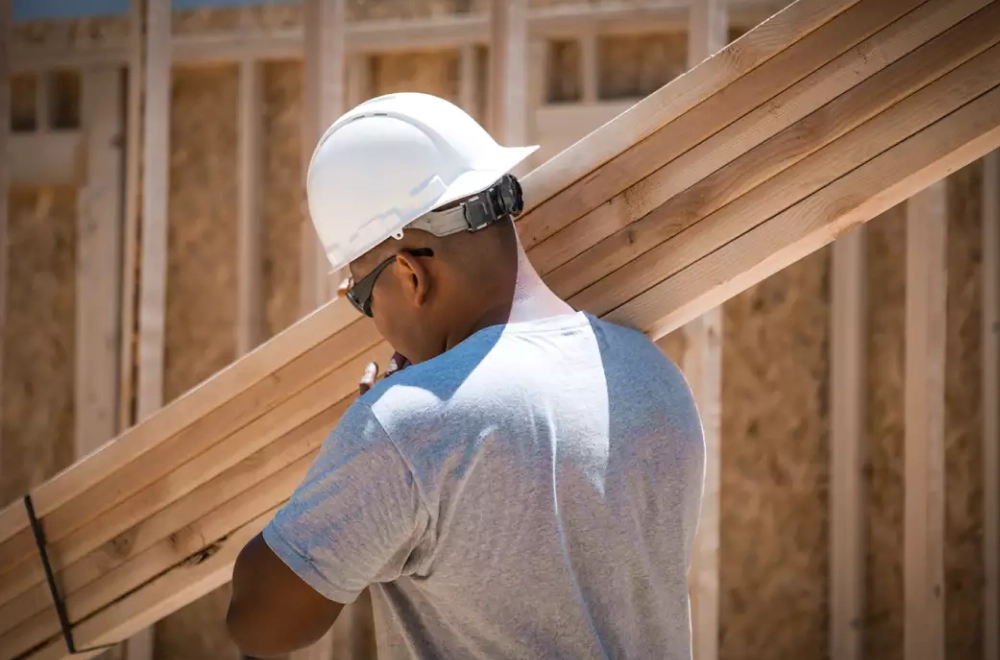
In the architectural landscape of 2026, the concept of sustainability has evolved from a buzzword into a structural requirement. As Australia pushes toward its net-zero targets, the building industry has undergone a radical transformation. We are no longer simply looking for materials that “do less harm”; we are seeking materials that actively heal the environment. At the forefront of this carbon-positive revolution is timber, specifically, the high-performing, locally sourced hardwoods like Tasmanian
Building an eco-friendly home is a holistic journey. It entails comprehending the materials’ biological lifecycle, the energy needed for transportation, and how long they last after installation. In this in-depth analysis, we examine why wood is the best renewable resource and how selecting particular Australian species, such as tasmanian oak timber, can completely change the environmental impact of your next project
The Biological Advantage: Timber as a Carbon Sink
To understand why timber is the gold standard for eco-friendly construction, we have to look at the chemistry of a tree. Through photosynthesis, trees absorb carbon dioxide ($CO_2$) from the atmosphere, store the carbon in their fibres, and release oxygen. When a tree is harvested and processed into Tasmanian oak floorboards, that carbon remains “locked” inside the wood for the life of the building.
In contrast, the production of aluminium, glass, and concrete involves high-heat industrial processes that release massive amounts of $CO_2$. By substituting a steel beam with a structural timber beam, or choosing tasmanian oak hardwood flooring over synthetic vinyl or tile, you are effectively creating a “carbon vault” in your home.
The Math of Sustainability
For every cubic meter of Tasmanian oak timber used in construction, roughly one tonne of $CO_2$ is removed from the atmosphere. In a standard Australian residential build, opting for a full timber frame and timber flooring can offset the emissions of a family car for several years.
Why Tasmanian Oak is the Eco-Conscious Choice
In the Australian market, Tasmanian Oak is a premium trade name used to describe three specific eucalypt species: Eucalyptus regnans, Eucalyptus obliqua, and Eucalyptus delegatensis. These species are native to the cool-climate forests of Tasmania and parts of Victoria.
But what makes Tasmanian oak a leader in sustainability?
1. Stringent Forest Management
Tasmania operates under some of the most rigorous forest practices codes in the world. The harvesting of Tasmanian oak is strictly regulated to ensure biodiversity is maintained, soil quality is protected, and water catchments remain undisturbed. In 2026, nearly all commercially available Tasmanian oak timber is certified by Responsible Wood (the Australian arm of PEFC) or the FSC (Forest Stewardship Council).
2. Local Sourcing and Low Embodied Energy
The total energy needed to create a material and move it to the location is referred to as embodied energy. Because they are shipped halfway around the world, many environmentally friendly products lose their green certifications. Australian builders can drastically cut transportation emissions by using Tasmanian oak flooring instead of importing American walnut or European oak.
3. Durability and Density
A material is only sustainable if it lasts. A flimsy floor that needs replacing every 10 years is an environmental disaster. Tasmanian oak hardwood flooring is a resilient, medium-density hardwood. It possesses a Janka hardness rating that allows it to withstand the rigours of high-traffic family life while maintaining its structural integrity for a century or more.
Applications in Contemporary Green Design
The Foundation: Tasmanian Oak Flooring
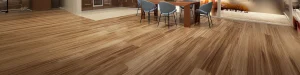
The floor is the largest surface area in your home, making it the most important choice for indoor air quality and carbon storage. Tasmanian oak flooring is celebrated for its remarkably consistent colour palette a sophisticated blend of light creams, pinks, and reddish-browns.
Architects in 2026 favour Tasmanian oak timber flooring because it reflects natural light beautifully. In a “Solar Passive” design, light-coloured floors reflect sunlight deeper into a room, reducing the need for artificial lighting during the day and assisting in natural temperature regulation.
Beyond the Floor: The Tasmanian Oak Panel
We are seeing a massive resurgence in timber wall and ceiling linings. A tasmanian oak panel installation isn’t just an aesthetic “feature wall”; it provides acoustic dampening and thermal insulation. Timber has a cellular structure that contains air pockets, acting as a natural insulator. This means rooms lined with Tasmanian oak stay warmer in winter and cooler in summer, lowering the energy demand on HVAC systems.
Furniture as a Life-Cycle Investment
The Fast Furniture era is ending. Consumers are now looking for furniture, Tasmanian oak pieces tables, bed frames, and chairs that are built to be passed down through generations. Because Tasmanian oak is so easy to work with, it allows craftsmen to create joints and finishes that stand the test of time. A dining table made from this timber is essentially a 50-year carbon storage unit that can be sanded and refinished if it ever becomes scratched, avoiding the landfill.
Comparison: Tasmanian Oak vs. Other Materials
| Feature | Tasmanian Oak | Engineered Bamboo | Synthetic Laminate |
| Renewability | High (Managed Forests) | Very High (Fast Growth) | Low (Petroleum-based) |
| Carbon Storage | Excellent | Good | None |
| Repairability | High (Can be sanded) | Moderate | None (Must replace) |
| Local Availability | Excellent (Australian) | Low (Mostly Imported) | Moderate |
| Toxicity/VOCs | Low (Natural) | Varies (Adhesives) | Moderate to High |
The Future of Eco-Friendly Construction: Biophilia
Biophilic design-the practice of connecting people to nature through building materials-is at the heart of the green movement. Living in a home surrounded by Tasmanian oak floorboards has been scientifically linked to reduced heart rates and lower cortisol (stress) levels. Humans have an innate affinity for the grain, texture, and smell of real wood. By incorporating Tasmanian oak timber into our homes, we aren’t just protecting the planet; we are improving our mental well-being.
Maintenance for Longevity
To ensure your Tasmanian oak hardwood flooring remains a sustainable asset, maintenance is key. Avoid harsh chemical cleaners that can degrade the wood over time. Instead:
- Use a microfiber mop to remove dust and grit.
- Minimise water usage; a damp (not dripping) mop is sufficient.
- Use plant-based, pH-neutral soaps designed for Australian hardwoods.
- Avoid “steam mops,” as the intense heat can force moisture into the Tasmanian oak floorboards, causing them to cup or warp.
Making long-term, local, and well-informed decisions is key to building green in 2026. Tasmanian oak is the ultimate sustainable resource in Australia. High-performance Tasmanian oak flooring, sophisticated Tasmanian oak furniture, or structural Tasmanian oak panel systems are just a few examples of how this wood can be used to create lovely, environmentally conscious spaces.
By using wood, you are not only constructing a home but also taking part in a regenerative cycle that promotes Australian forestry, lowers global warming, and improves your family’s quality of life.
Frequently Asked Questions (FAQs)
1. Is Tasmanian Oak a single species of tree?
No, a combination of three closely related eucalyptus species-Eucalyptus regnans (Mountain Ash), Eucalyptus obliqua (Messmate), and Eucalyptus delegatensis (Alpine Ash)-is referred to as Tasmanian oak. These are grouped because they are ideal for Tasmanian Oak Flooring and have comparable colours, densities, and high-performance qualities.
2. How does the cost of Tasmanian Oak compare to other sustainable options?
Because it is grown and processed locally, Tasmanian Oak Timber is often more cost-effective than imported sustainable hardwoods like American Oak. While it may have a higher upfront cost than synthetic laminates, its ability to be sanded and refinished means its “cost-per-year” over its lifetime is significantly lower.
3. Is Tasmanian Oak flooring suitable for kitchens?
Yes, Tasmanian oak timber flooring is a popular choice for kitchens due to its durability. However, like all natural timbers, it should not be subjected to standing water. As long as spills are wiped up promptly, it will remain a beautiful and eco-friendly kitchen surface for decades.
4. Can I use a Tasmanian Oak panel for outdoor applications?
Tasmanian oak is primarily an indoor timber (Durability Class 3). While it is perfect for Tasmanian oak floorboards and interior furniture, it is not recommended for external use where it is fully exposed to the elements unless it is specifically treated or kept under a deep verandah.
5. How can I be sure the Tasmanian Oak I buy is truly sustainable?
Always look for the Responsible Wood or FSC logos. These certifications guarantee that the Tasmanian oak hardwood flooring or timber you are purchasing comes from a forest that is managed according to strict environmental, social, and economic standards.