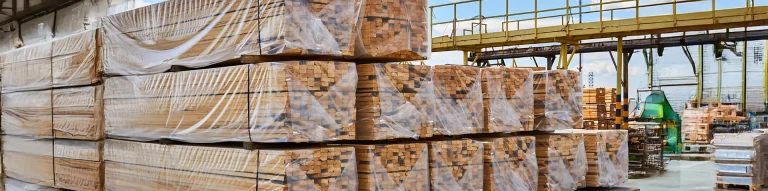
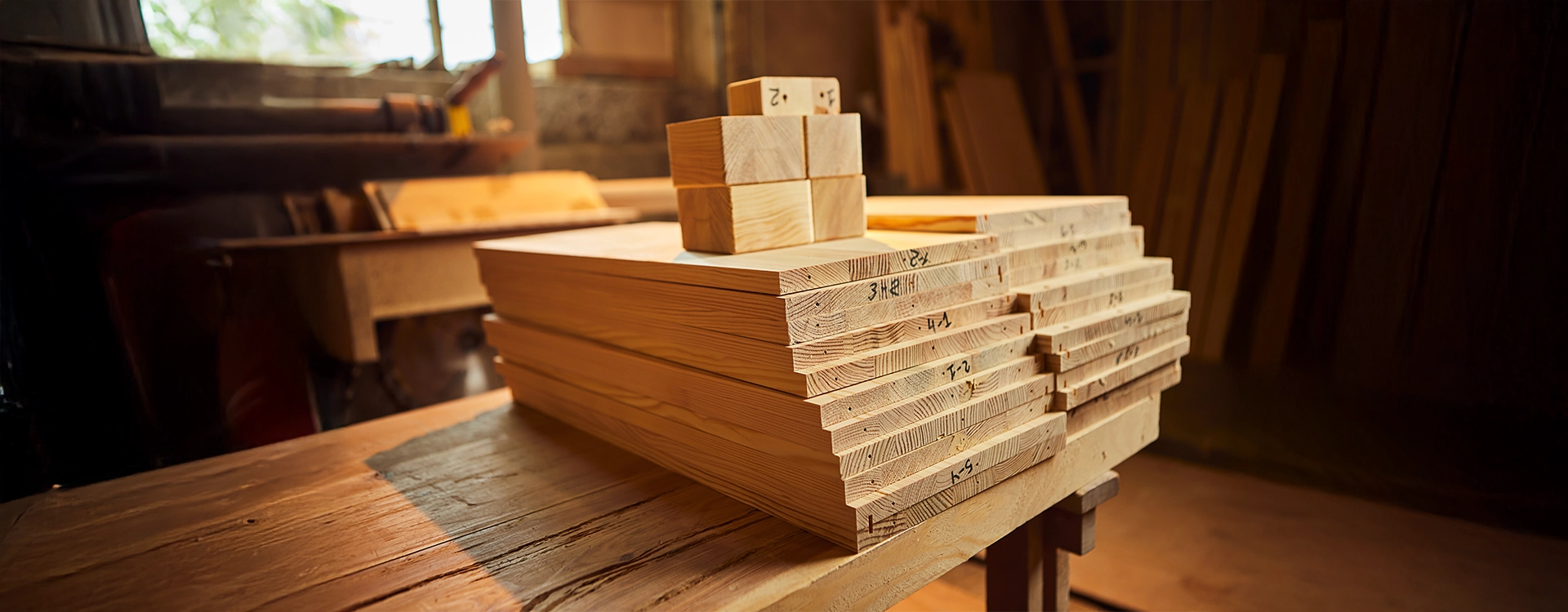
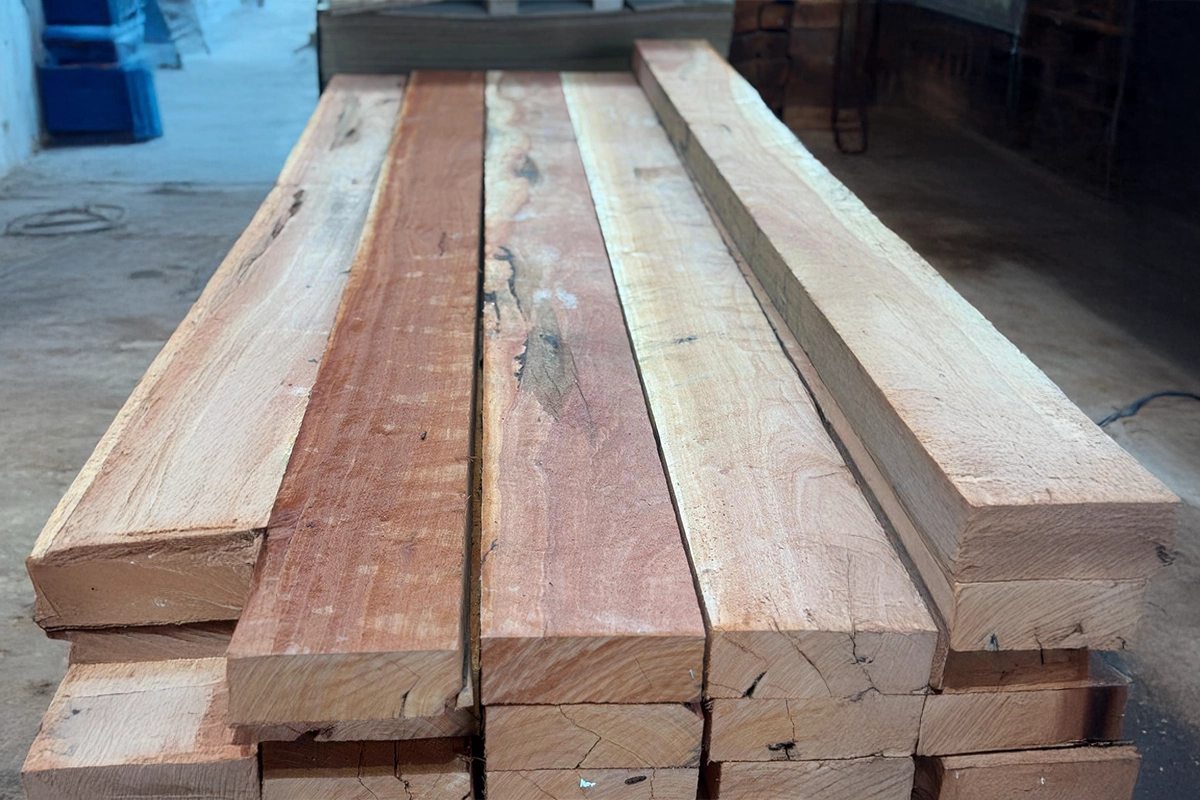
In 2026’s residential architecture, the line between indoor and outdoor has virtually vanished. We’re not just making fences or privacy screens any longer; we’re building architectural filters that play with light and shadow and sightlines.
At the centre of this movement are hardwood screening battens. Whether they are being used to wrap a second-story balcony in premium hardwood batten screens that Melbourne homeowners are increasingly demanding, or to create a rhythmic backdrop for a poolside alfresco, the choice of batten is both a structural and an aesthetic decision. This guide moves beyond the basics to help you curate the perfect screening solution for your outdoor environment.
I. The Geometry of the Batten: Decoding Profiles
The soul of a feature screen is found in its profile-the dimensions of the timber itself. Among hardwood battens for sale across the Victorian market, four specific profiles have emerged as industry standards.
1. 42 x 19 Hardwood Battens: The Elegant Filter
The 42 x 19 hardwood battens are the classic choice for skinning a facade. At $19\text{mm}$ deep, they are lightweight and easy to install.
- The Look: Sleek and modern.
- The Strategy: Use these for decorative wall linings where the goal is texture rather than heavy structural screening.
2. Hardwood Battens 32×32: The Square Rhythm
The Hardwood battens 32×32 offer a perfect square geometry.
- The Look: This profile creates a chunky, consistent shadow line.
- The Strategy: Ideal for vertical installations where you want the screen to look identical from every angle.
3. Hardwood Battens 42×32: The Dimensional Hero
The Hardwood battens 42×32 provide extra depth without the bulk of a full square.
- The Look: When installed with the $42\text{mm}$ face outward, they look substantial. When installed with the $32\text{mm}$face outward, they create deep fins that act as sunshades.
- The Strategy: Best for privacy screens that need to block “side-glances” from neighbours.
4. 42×42 Hardwood Batten: The Structural Pillar
The 42×42 hardwood batten is the heavyweight.
- The Look: Bold and architectural.
The Strategy:Used as structural fins or as a component of a gate system where stiffness is crucial in hardwood batten screening Melbourne projects.
II. Material Selection: The Australian Hardwood Advantage
In the harsh UV climate of 2026, material science is your best friend. When it comes to hardwood screening battens, you essentially have to choose between two recognisable Australian species that characterise the local style.
Spotted Gum: The Oily Powerhouse
Spotted Gum is arguably the most popular choice for premium hardwood batten screens Melbourne-wide.
- Properties: It is a Class 1 durability timber with a naturally high oil content. This makes it incredibly resistant to the cupping and twisting that plagues inferior softwoods.
- Visuals: A stunning range of colours from pale greys to rich chocolate browns.
Blackbutt: The Golden Minimalist
If your design favours a lighter, more Scandi palette, Blackbutt is the engineering choice.
- Properties: Highly fire-resistant (often rated for BAL-29 areas) and structurally stable.
- Visuals: Creamy yellows to pale browns with a straight, even grain.
III. Designing for Privacy: The “Angle of Occlusion”
Choosing a batten isn’t just about picking a size; it’s about calculating the spacing to achieve your desired privacy level.
Tighter Spacing (10mm – 20mm)
This creates a solid wall effect from a distance but allows dappled light to pass through. It is the best choice for bathroom windows or front-facing boundaries where total privacy is required.
Wide Spacing (40mm+)
This is used for visual separation, creating a space without closing it off. It’s great for separating a dining area from a garden bed, or for making a trellis for climbing plants like Star Jasmine.
IV. The Melbourne Factor: Maintenance in a Four-Season Climate
When searching for hardwood batten screening melbourne suppliers, you must account for the city’s notorious weather.
- The Silvering Effect: Left untreated, hardwood will silver off over 12–18 months. In many modern Melbourne homes, this weathered grey look is highly desirable as it mimics the natural landscape.
- Oiling for Colour: If you want to retain the freshly cut look of Spotted Gum, you must apply a high-quality UV-rated oil every 6–12 months.
- End-Grain Sealing: The most common failure point is the ends of the battens. Always seal the cut ends of your 42 x 19 hardwood battens with a wax-based sealer to prevent moisture from travelling up the grain.
V. Strategic Installation: Vertical vs. Horizontal
The orientation of your battens completely changes the perceived dimensions of your space.
- Vertical Orientation: Makes a space feel taller. It is also the healthiest for the timber, as water runs down the grain and off the ends, reducing the risk of rot.
- Horizontal Orientation: Makes a space feel wider and more relaxed. However, horizontal battens can act as a ladder for children, which must be considered in pool-safe fencing regulations.
Summary of Profiles
| Profile | Best Use | Structural Rigidity |
| 42 x 19 | Decorative wall cladding / Facades | Low (requires more support) |
| 32 x 32 | Symmetrical screens / Modern rhythmic walls | Medium |
| 42 x 32 | Sun-shading fins / Deep-shadow screens | High |
| 42 x 42 | Structural fins / High-traffic gates | Extreme |
The Final Spec
Choosing the right hardwood screening battens is a balancing act between the Physics of the Wood and the Geometry of the Space. Whether you are looking for hardwood battens for sale to do a quick weekend DIY or you are commissioning a bespoke set of premium hardwood batten screens melbourne, remember that the thickness determines the shadow, and the species determines the soul.
Frequently Asked Questions (FAQ)
1. How much gap do I need to leave between 42 x 19 hardwood battens?
The standard recommendation for a privacy screen is a gap of 15mm to 20mm. This allows a good balance of privacy and yet still allows airflow which is critical for the health of the timber.
2. Do I need to pre-drill my hardwood battens?
Absolutely. Australian hardwoods like Spotted Gum and Blackbutt are incredibly dense. If you try to drive a screw directly into a 42×42 hardwood batten, you will likely snap the screw head or split the timber. Always pre-drill and countersink for a professional finish.
3. What is the longest span I can have without a support for 42×32 hardwood battens?
As a rule of thumb, for Hardwood battens 42×32, you should have a support post or rail every 900mm to 1200mm. Any longer, and you risk the battens bowing over time due to seasonal moisture changes.
4. Can I use hardwood screening battens around a pool?
Yes, but you must comply with local Victorian pool safety regulations. This usually means the gap between battens cannot exceed 10mm if the screen is part of the pool barrier itself. Always check with a certified pool inspector first.
5. Why is my hardwood batten screening “bleeding” onto my pavers?
Hardwoods contain natural tannins. When it rains, these tannins can wash out and leave brown stains on concrete or light-colored stone. To prevent this, you can leach the timber by hosing it down several times before installation, or apply a high-quality sealer to lock the tannins in.