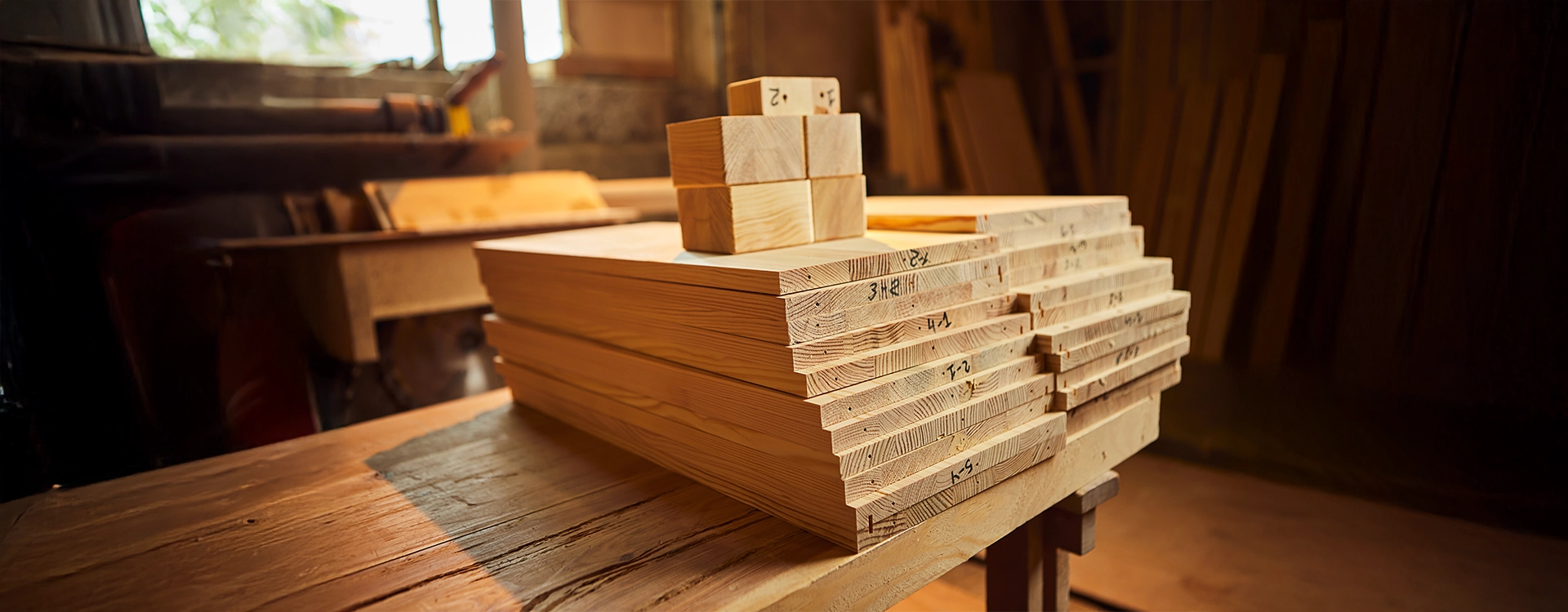
Internal vs External Timber Screening Battens: Which One Do You Need?
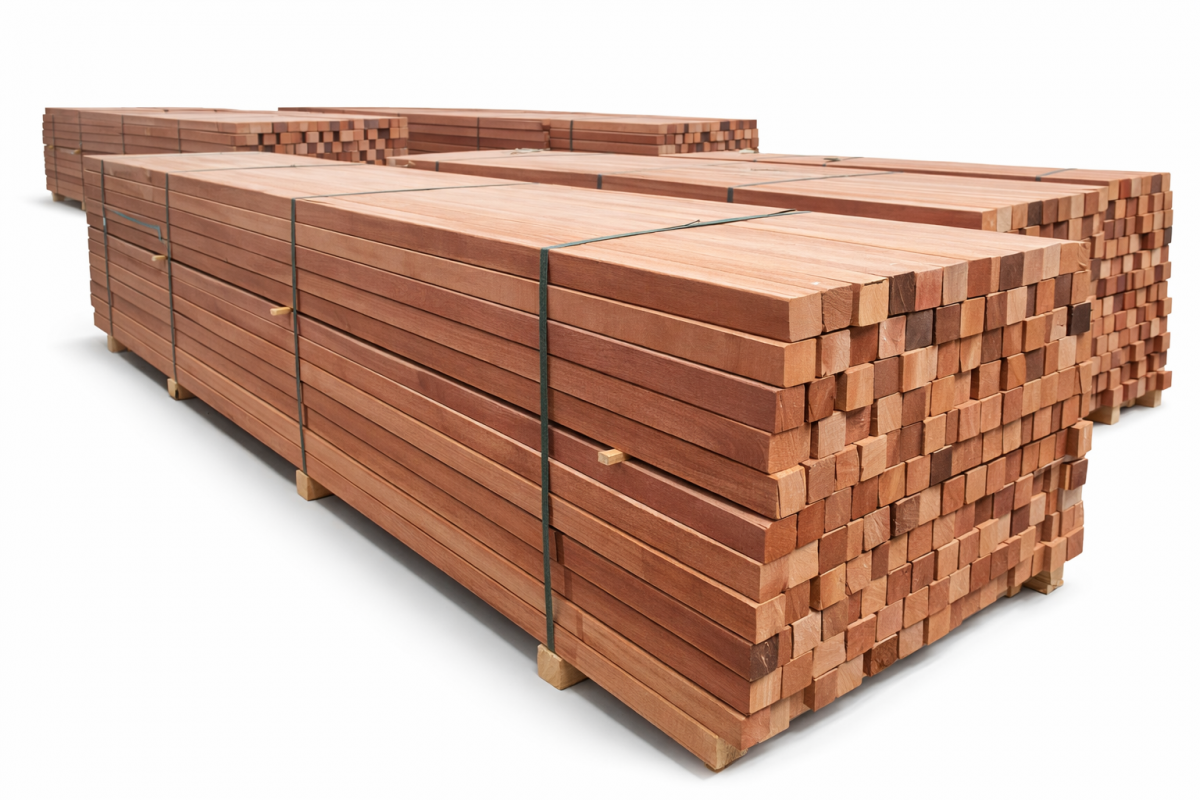
In the evolving architectural landscape of Melbourne, timber screening battens have transitioned from mere functional elements to high-stakes design features. Whether you are wandering through a minimalist residential renovation in Fitzroy or a bold commercial development in the CBD, the rhythmic use of timber is everywhere.
This design movement is driven by a desire for warm minimalism, where the organic soul of wood softens the clean lines of modernism. However, as this aesthetic becomes a staple of Victorian luxury, a critical question remains for homeowners and designers: should you be looking for internal or external battens?
The technical requirements for interior and external applications are completely different, even though they could appear comparable to the untrained eye. Selecting the incorrect one might result in early deterioration, warping, or even catastrophic structural failure; it’s not just an aesthetic error. One must become an expert at the nexus of material science and architectural intent in order to achieve the lifespan found in premium hardwood batten screens Melbourne projects.
1. The Core Philosophy: Aesthetic vs. Endurance
These two applications differ fundamentally in their main purpose and the environmental stressors they have to deal with.
Internal Battens: The Biophilic Warmth
In an internal setting, timber battens are primarily chosen for their visual and sensory appeal. They serve as a bridge to nature, a concept known as biophilic design, fostering a sense of tranquility and warmth within a home.
Internal battens are decorative elements that humanise large, open-plan spaces. Because they aren’t fighting Melbourne’s unpredictable wind and rain, internal battens can focus on refined aesthetics, such as smooth, dressed finishes and lighter, more delicate timber species like Tasmanian Oak or American White Oak.
External Battens: The Protective Façade
The soldiers on the outside of your building are called external battalions. They have to withstand bugs, dampness, and intense UV exposure. Their goal is to shield the structure underneath from rain, sunlight, and privacy. Durability is crucial for these applications. They must be structurally designed to withstand bowing in the extreme heat of an Australian summer and cupping, which is a board’s propensity to curve across its face.
2. Species Selection: Navigating Melbourne’s Climate
Selecting the right type of wood for your project is possibly the most important decision you will make. High-performing materials that can expand and contract without losing integrity are required due to Melbourne’s environment, which is famed for experiencing four seasons in a single day.
Top Choices for External Battens
When browsing for hardwood batten screening Melbourne suppliers, you must prioritise Durability Class 1 or 2 timbers for outdoor use:
- Spotted Gum: A dense, versatile Australian hardwood known for its striking colour variations and high fire resistance. It is a favourite in Melbourne because it is naturally oily and resistant to twisting.
- Merbau: Prized for its extreme resistance to rot and termites. While durable, it is famous for bleeding dark red tannins if not properly seasoned and sealed, which can stain surrounding concrete.
- Blackbutt: A pale brown timber that offers exceptional structural stability. It is one of the few species approved for use in many high-risk bushfire zones (BAL-29).
- Ironbark: One of the toughest hardwoods on earth. It offers a lifespan of decades with minimal maintenance, though its extreme density makes it more difficult (and expensive) to install.
Top Choices for Internal Battens
Interiors allow for softer timbers that are prized for their grain and colour rather than their raw toughness:
- Tasmanian Oak: A light-toned, local favourite that creates a sophisticated, modern look. It takes stains and oils beautifully, allowing for high customisation.
- American White Oak: Offers a slightly more prominent grain pattern and a premium feel often seen in luxury high-rises.
- Western Red Cedar: While technically durable enough for outside, its rich aroma and light weight make it a luxury choice for internal feature ceilings where weight-loading is a concern.
3. The Technical Divide: Installation & Treatment
The way you install your battens, whether using 42 x 19 hardwood battens or a more substantial 42×42 hardwood batten, is just as important as the timber itself.
The Internal Approach
Installations indoors are often easier to obtain. The battens can be fixed with high-strength adhesives, modern click-on methods or by secret nailing the fastener. Since the environment is climate-controlled, you do not need to worry about moisture ventilation or large expansion gaps.
The External Challenge
External installation is highly technical. To protect your home, you must maintain a cavity air gap behind the battens to allow for proper drainage and airflow. This prevents moisture from being trapped against the structure, which could otherwise lead to rot and mould. Additionally, all fasteners must be rust-resistant (such as 316-grade stainless steel) to withstand Melbourne’s salty coastal air.
4. Maintenance and Longevity: A 2026 Perspective
Maintaining Interiors
Internal battens require very little work. A light dusting or an occasional wipe with a damp cloth is usually enough. Because they aren’t exposed to UV, their colour will remain stable for years.
Maintaining Exteriors
External timber will naturally weather over time. Many Melbourne homeowners love the silver-grey patina that timbers like Jarrah or Cedar develop when left untreated. However, to keep the original vibrant colour of your premium hardwood batten screens Melbourne, you must apply a high-quality UV-rated oil or stain every 12–24 months.
5. Cost Considerations in Melbourne 2026
The price of timber in Melbourne is affected by the difficulty of installation and the rarity of species in 2026.
- Supply Only: Expect to pay anywhere from $45 to $70 per square meter for quality hardwood screening battens.
- Installation: Direct-stick feature wall installation typically ranges from $55 to $60 per square meter. More complex patterns like herringbone or chevron can add a 20–30% premium due to the intricate labour and higher wastage.
Frequently Asked Questions (FAQ)
- Can I save money by using internal battens outside?
Not at all. Internal-grade wood and coatings are not made to withstand UV or moisture. Within a few years, using them outside will cause fast warping, decay, and structural failure.
- What batten spacing should I use for privacy?
If you’re after maximum privacy on an outside fence or screen, then aim for a 10mm to 20mm gap. It looks accurate and blocks out most of the sight lines, but still allows enough light in so the space doesn’t feel dark.
- Do internal wood battens reduce noise?
Indeed, quite a bit. Due to its inherent ability to absorb sound, wood is a great option for minimising echoes in expansive, open-concept living spaces in Melbourne. Its sound-dampening qualities can be further enhanced by adding an acoustic background.
- Are timber battens a fire risk in Melbourne?
Certain Australian hardwoods, such as Blackbutt, Spotted Gum, and Ironbark, are naturally fire-resistant and well-suited to many bushfire-prone areas. For internal commercial use, fire-retardant coatings can also be applied to meet safety standards.
- Where can I find the best timber screening battens in Melbourne?
It is always recommended to visit a local Melbourne timber supplier. This allows you to see the colour variations in person and get expert advice tailored to your specific suburb’s micro-climate. Whether you are looking for 42 x 19 hardwood battens or 32×32 Hardwood battens, seeing the material in the flesh is vital for a high-end finish.