In the contemporary design landscape, where the connection between sustainability and beauty is being investigated more thoroughly, birch plywood has grown to be a titan of the interior world. From its modest beginnings as a practical panel, architects and interior designers now commend it as a key material that offers unparalleled structural strength and a sophisticated visual language.
The transition of birch plywood from the rear of the house to the forefront of high-end residential and commercial buildings is proof of both the material’s intrinsic quality and the increasing need for honest materials those that embrace their technological truth rather than hide their composition.
Plywood was once thought of as a middle ground and a less expensive substitute for actual wood. But thanks to the special qualities of the birch species (Betulapendula) and sophisticated laminating methods, this manufactured wood has become a premium. Birch is a hardwood that produces a fine, uniform grain and a pale, bright colour that blends in wonderfully with the Japandi and Scandinavian design tendencies currently dominating the industry, in contrast to typical plywoods that could have structural irregularities.
This investigation explores why birch plywood is the go-to material for contemporary interiors, exploring its uses in everything from large-scale commercial fit-outs to micro-architecture, and why it still dominates design discussions in places like Birch Plywood Melbourne.
The Anatomy of the Sheet: Understanding Thicknesses
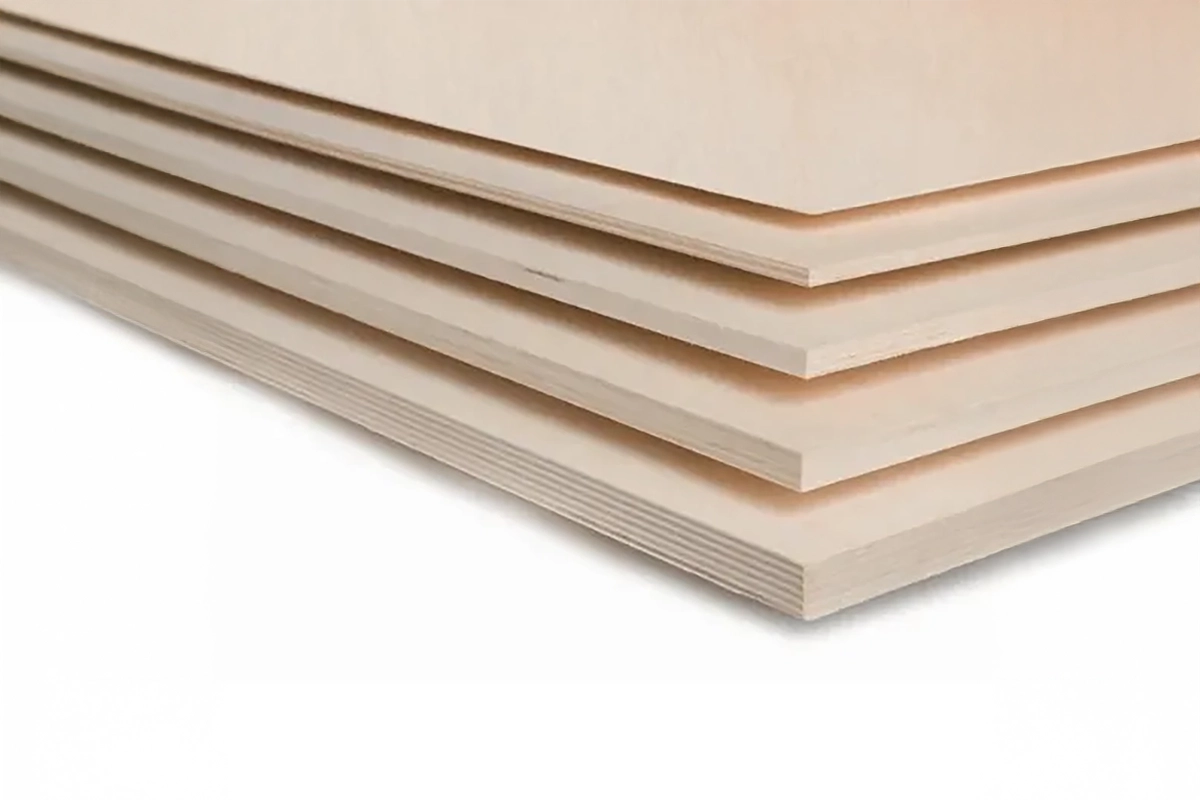
The enormous variety of practical roles that birch plywood can play, which are mostly determined by its thickness, is one of its most alluring features. High-grade birch plywood is made up of several thin layers of birch veneer that are cross-banded and glued under extreme pressure, in contrast to other plywoods, where the core may have cavities or gaps. As a result, the panel is far more sturdy but nearly as dense as solid birch.
The Structural Workhorse: 18mm
In the world of custom joinery, 18mm birch plywood is the undisputed king. This thickness provides the perfect balance between weight and rigidity. It is the go-to choice for kitchen carcases, where the material must support the weight of stone countertops and heavy appliances without sagging. Furthermore, the 18mm profile allows for complex CNC routing, including the creation of intricate puzzle-piece joinery where panels interlock without the need for traditional metal fasteners. The industry often refers to birch plywood 18mm as the definitive gauge for furniture that lasts, as it resists the warping often seen in thinner boards or lower-density materials like MDF.
The Architectural Lining: 12mm and 15mm
The criteria change when lining walls or ceilings is the objective. There is a sweet spot here with 12mm birch plywood. It is light enough to handle in big sheets but thick enough to be structurally strong when attached to a stud frame. Designers frequently utilise 15mm birch plywood for situations that need a little additional weight, such as a feature wall with integrated storage. Compared to its thinner equivalents, this somewhat thicker gauge absorbs sound more efficiently and gives the room a more tactile, solid sense.
The Detailer’s Choice: 6mm and 9mm
The artistic gauges are located at the narrower end of the range. Birch plywoodwith a 6 mm thickness is incredibly flexible. It is perfect for sculptural lighting fixtures, curved reception desks, or the back of modern furniture since it can be kerf-bent or laminated into tight curves by a professional craftsman. Conversely, 9mm birch plywood is preferred for complex ornamental screens, backing panels, and drawer bottoms. Because of its thin profile, designers can use high-precision laser cutting to create wood lace patterns that would not be feasible with solid timber.
Aesthetic Narratives: The ‘Exposed Edge’ Revolution
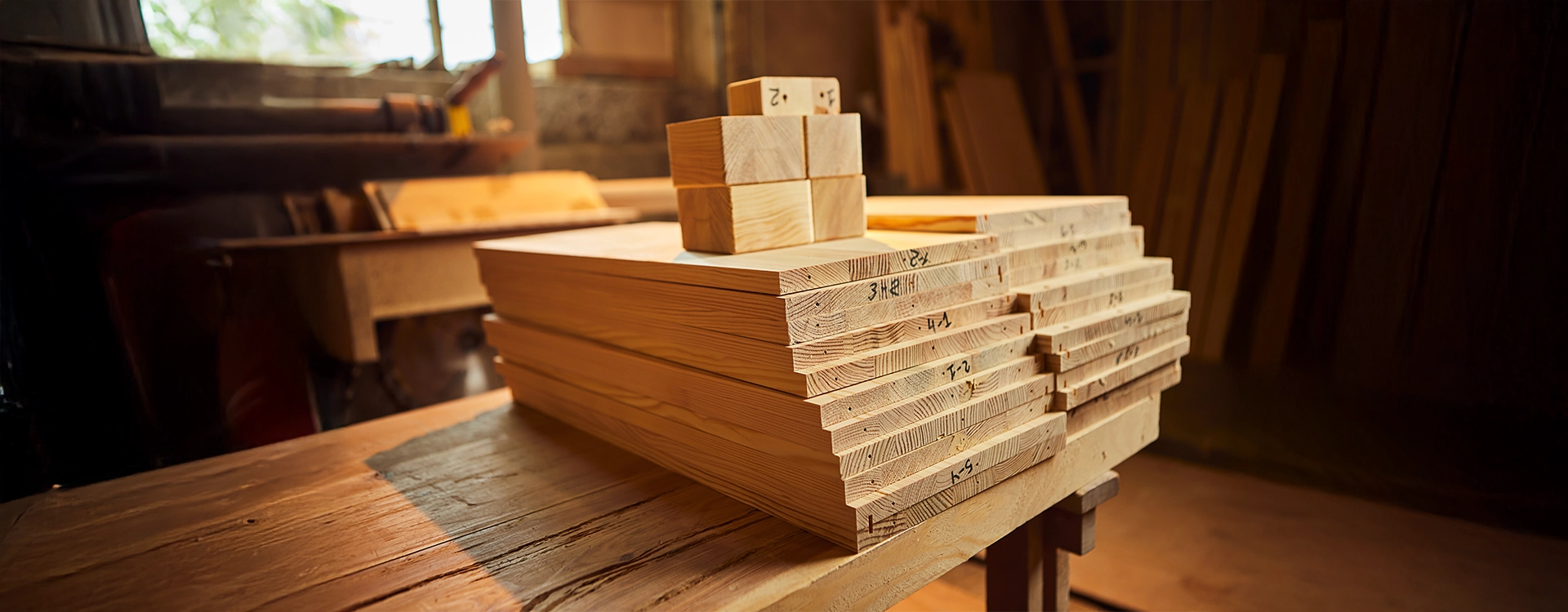
Perhaps the most recognisable interior design application of birch plywood is the celebration of the exposed edge. In traditional furniture making, the edge of a plywood sheet is something to be hidden—covered with iron-on veneer or solid timber lipping. In modern birch design, the edge is the star. The alternating grain of the veneers creates a rhythmic, pinstriped effect that draws the eye and highlights the geometry of the piece.
By using birch plywood 18mm for cabinetry, designers can create shadow gaps and recessed handles that expose this striped core. This technique adds a layer of visual texture that replaces the need for ornate hardware or decorative moldings. It speaks to a truth of materials philosophy where the beauty of the object is derived directly from how it is made. This aesthetic has become particularly popular in the retail and hospitality sectors, where the raw yet refined look of birch edges provides a perfect backdrop for minimalist branding.
Kitchens and Wet Areas: Beyond Utility
Modern farmhouse and industrial chic aesthetics have been revolutionised by the usage of 18mm birch plywood in kitchen design. A birch plywood kitchen feels permanent, in contrast to conventional particle-board kitchens that depend on laminates. It is a physical sensation; the organic warmth of the wood’s delicate texture counteracts the chill of quartz or stainless steel.
For wet areas, there is a common misconception that plywood is unsuitable. However, the high-quality glues used in European birch plywood are often moisture-resistant (WBP or MR). When finished with high-performance oils or lacquers, birch plywood vanities and shelving units can thrive in bathroom environments, provided they are well-ventilated. The key is in the finishing ensuring that the end grain (the exposed edges) is saturated with sealant to prevent capillary action from drawing moisture into the core.
Acoustic Performance in Commercial Spaces
One often overlooked application of birch plywood is its role in acoustic design. In large, open-plan offices or cavernous restaurant typical of the industrial conversions found in birch plywood Melbourne, sound management is a critical challenge. 9mm birch plywood and 12mm birch plywood are frequently used to create perforated or slatted acoustic panels.
Designers can construct surfaces that reflect mid-tones and absorb high-frequency noise by cutting holes or slots in the plywood and covering it with acoustic insulation. This keeps the room from feeling dead. Birch’s inherent density also aids in sound absorption, avoiding the hollow, reverberating drum sensation that is sometimes connected to thinner or less dense materials. Because of this, auditoriums, conference rooms, and home theatres where both aesthetics and sound quality are crucial, love it.
Furniture Design: The Micro-Architecture of Birch
In the realm of freestanding furniture, birch plywood has allowed for a new era of democratized design. The rise of CNC technology means that designers can create furniture that is cut with incredible precision and assembled with simple joinery. The strength-to-weight ratio of 18mm birch plywood allows for the creation of spans and cantilevers that would require much thicker sections in other woods.
Birch plywood offers a stability that real wood cannot equal, from the famous Ply-Chair designs to enormous, 4-meter-long boardroom tables. Because it doesn’t move or breathe as much as solid planks, joinery’s tight tolerances are preserved despite variations in humidity. Because of its dependability, it is a common material used by both bespoke makers and furniture startups.
Sustainable Materiality and the Circular Economy
The provenance of materials is more crucial than ever as we navigate a climate-conscious society. The large woods of Northern Europe are the main supply of birch, a hardwood that grows quickly. Replanting rates frequently surpass harvesting rates in these forests, which are among the most rigorously managed in the world. Designers can produce an upscale timber appearance while reducing their environmental impact by using birch plywood.
Furthermore, because birch plywood is so durable, furniture and interiors made from it have a longer lifecycle than those made from inferior composite materials. This longevity is a core pillar of sustainable design creating objects that do not need to be replaced every few years. Even at the end of its life, the lack of toxic additives in high-quality birch panels makes them more compatible with recycling and energy-recovery systems compared to materials heavily treated with formaldehyde.
Case Study: The Minimalist Workspace
Imagine a tech startup office in the heart of the city. The designers want a space that feels fresh, airy, and fosters creativity. They decide on a palette of birch plywood, glass, and white steel. The walls are lined with 12mm birch plywood, featuring integrated magnetic strips for brainstorming. The workstations are custom-built from 18mm birch plywood, with the exposed pinstripe edges serving as the only ornamentation.
As a result, the area has a sense of unity and stability. The strong fluorescent light glare is absorbed by the birch, which also softens the industrial architecture. It is a master class in how one material, carefully applied in various thicknesses, may define a project’s overall mood. Because of its adaptability, birch plywood providers in Melbourne are witnessing a sharp increase in demand from the business sector
Finishing and Maintenance: Preserving the Pale Aesthetic
The finishing process is essential to preserving birch’s distinctive golden appearance. UV exposure will eventually cause birch to turn golden and honeyed if it is not treated. A Nordic finish is frequently used to maintain the unadulterated appearance that many architects prefer. In order to counteract the wood’s inherent propensity to turn yellow, an oil or lacquer with a faint white colour is used.
Hard-wax oil is frequently the best option for high-wear surfaces like dining tables or kitchen benches made of 18mm birch plywood. It penetrates the wood to provide internal protection while maintaining its breathability and ease of spot repair. Hard-wax oils preserve that essential tactile link to the natural world by allowing the user to still feel the wood’s grain, in contrast to a thick lacquer that resembles plastic.
The Future is Layered
As we look forward, the applications for birch plywood will only continue to expand. We are seeing the emergence of CNC-machined interlocking systems that allow for “flat-pack” architecture, where entire interior fit-outs can be cut from 18mm birch plywood sheets and assembled on-site with zero waste and high precision. This marriage of digital fabrication and natural material is where the future of interior design lies.
Whether it is the delicate curve of a 6mm birch plywood lamp or the structural integrity of a birch plywood 18mm mezzanine floor, this material has proven that it is much more than a building substrate. It is a finish, a structure, and a design philosophy all rolled into one beautiful, layered sheet.
Frequently Asked Questions
- Whyis 18mm birch plywood the most common thickness of plywood?
18mm birch plywood is the industry standard because it provides the structural strength needed for most furniture and cabinetry applications. It is thick enough to retain screws firmly and not bend under pressure, and it works with conventional hardware like cabinet hinges and drawer slides.
- Is birch plywood really better than MDF for interiors?
While MDF is cheaper and easier to paint, birch plywood is significantly stronger, more durable, and aesthetically superior when left raw. Birch plywood holds fixings better and is much more resistant to moisture damage. From a design perspective, the layered edge of birch plywood is a desirable feature that MDF cannot replicate.
- Can I use thinner boards like 6mm or 9mm for wall panelling?
Yes, 6mm birch plywood can be used for panelling if the wall is flat and the panels are purely decorative. However, for a flatter, more substantial feel, 9mm birch plywood or 12mm birch plywood is recommended. Thicker boards are less likely to telegraph any imperfections in the wall behind them.
- What should I look for when buying birch plywood in Melbourne?
When sourcing birch plywood melbourne, look for the grade (e.g., B/BB is high quality) and ensure it is European Birch. Check for environmental certifications like FSC to ensure the wood is ethically sourced. Also, verify that the glue used is Low Formaldehyde (E0 or E1) for better indoor air quality.
- How do you clean and maintain birch plywood furniture?
Most items made of birch plywood that have been lacquered or coated with oil can be cleaned with a damp cloth and a little soap. Avoid using powerful chemicals. If the piece was treated with a hard-wax oil, you can occasionally reapply a maintenance oil to the surface to keep the wood healthy and stain-free.