In the world of construction and high-end cabinetry, the difference between a project that lasts decades and one that fails within months often comes down to a single afternoon at the timber yard. We have all seen it: the sag in a library shelf that wasn’t supported correctly, the delamination of a kitchen cabinet in a humid environment, or the telegraphing of grain through a high-gloss finish. These aren’t just bad luck; they are the direct results of procurement errors.
Buying plywood, specifically premium birch plywood, seems straight forward until you are standing in front of a stack of hundreds of sheets, each with varying grades, core densities, and adhesive ratings. This Master Builder’s Field Guide is designed to act as a post-mortem of the most common industry mistakes. By identifying these pitfalls before you sign the purchase order, you ensure that your project remains structurally sound, aesthetically superior, and budget-efficient.
1. The “Generalisation” Trap: Failing to Specify the Species
The most expensive mistake a builder can make is asking a supplier for plywood without specifying the species. Standard construction-grade plywood has its place in hoarding and subfloors, but it is a disaster for interior joinery.
When you fail to specify birch plywood, you often get a board with a soft core, large internal voids, and a face veneer that is prone to splintering. Birch is a hardwood; its high density and uniform grain structure are what allow for the precision joinery modern designs demand. Choosing a generic CDX or formply for a project that requires the refinement of birch is a mistake that usually results in a complete rebuild of the cabinetry.
2. The Dimensional Fallacy: Trusting “Nominal” Over “Actual”
In the timber industry, numbers are often suggestions rather than absolute truths, unless you are dealing with high-quality European boards. A common mistake is designing a project around a measurement without verifying the actual thickness of the stock.
For instance, many builders assume that 18mm birch plywood is exactly 18.0mm. Depending on the manufacturer and the moisture content, that sheet might actually be 17.8mm or 18.2mm. While this 0.2mm difference seems negligible, in a stack of ten cabinets, that error compounds to 2mm, which can throw off an entire wall of built-in joinery. Always calibrate your CNC machines and your joinery plans to the actual thickness of the batch you receive, rather than the nominal birch plywood 18mm listed on the invoice.
3. Ignoring the Grade: The “One Side Good” Oversight
Plywood is graded on its face and back veneers (e.g., B/BB, BB/CP). A frequent mistake made during procurement is buying a lower grade to save costs, only to realise that the back side of the panel will be visible in the final design.
If you are building an open-island bench or a floating shelf where both the top and bottom are visible, opting for a BB/CC grade instead of a premium B/B birch plywood will result in unsightly patches and knots on the visible underside. Saving 15% on the material cost often leads to a 50% increase in labour costs as your apprentices spend hours filling and sanding defects that shouldn’t have been there in the first place.
4. The “Thin-Sheet” Hubris: Miscalculating Structural Load
Weight-bearing capacity is governed by the number of veneers and the total thickness. A classic amateur mistake is choosing a thinner sheet to achieve a minimalist look without accounting for the physics of the span.
Using 9mm birch plywood for a wide drawer bottom might look sleek in a 3D render, but once that drawer is filled with heavy cookware, it will bow and eventually rub against the runners. Conversely, using 12mm birch plywood for a structural carcass that requires the rigidity of 15mm birch plywood leads to racking, where the cabinet loses its squareness over time. For heavy-duty shelving, anything less than birch plywood 18mm is usually asking for trouble unless the spans are exceptionally short.
5. Local Sourcing Neglect: The “Import vs. Local” Gamble
Not all plywood is created equal, and where you buy it matters as much as what you buy. Builders often make the mistake of sourcing cheap birch from overseas distributors without checking the local standards.
In Australia, for example, sourcing birch plywood melbourne from a reputable local supplier ensures that the product meets Australian standards for formaldehyde emissions (E0 or E1) and structural ratings.
Importing unverified boards might save money upfront, but if those boards contain high levels of urea-formaldehyde or have hollow cores, the health risks and structural failures will far outweigh the initial savings. Supporting a local birch plywood melbourne specialist also means you have recourse if a batch arrives warped or damaged.
6. The Edge-Grain Oversight: Forgetting the Finish
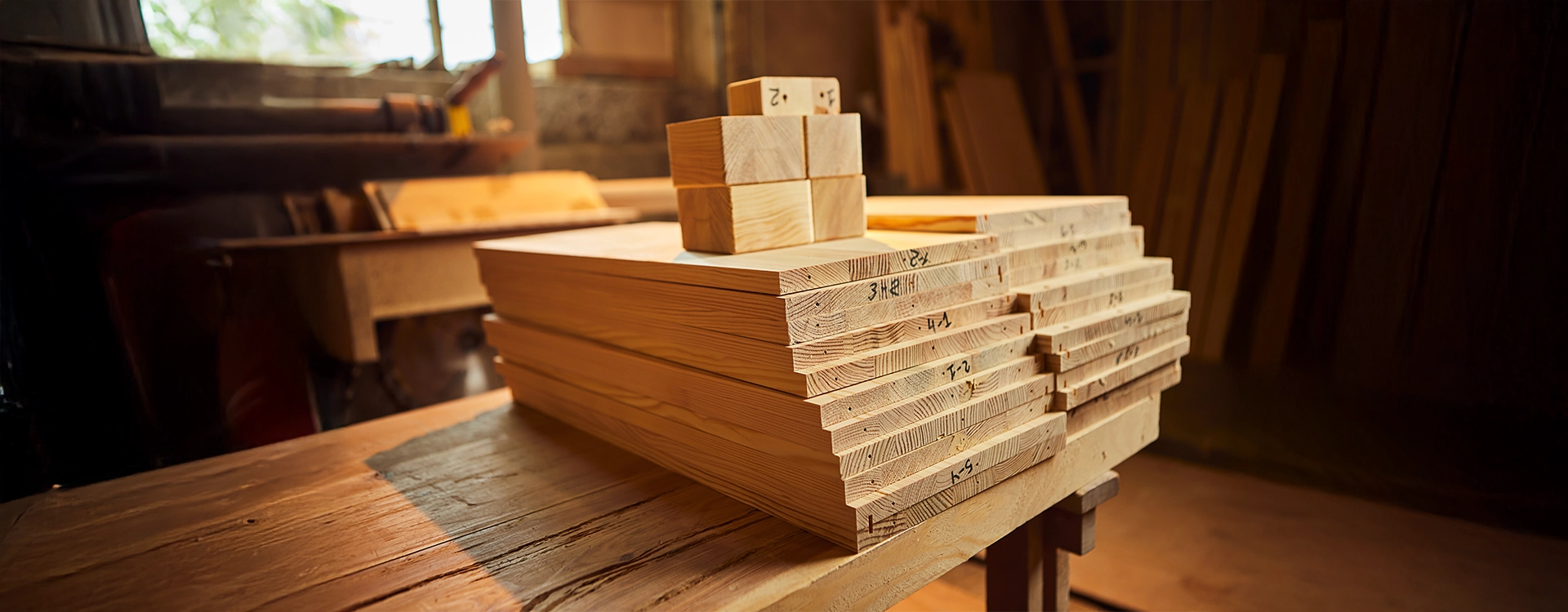
One of the greatest appeals of birch plywood is the beautiful multi-layered edge. However, a common mistake is not checking the void-free status of the core. Lower-quality plywoodshave overlaps and gaps in the internal layers. When you cut into these, you are left with holes in the edge of your furniture.
If your design relies on exposed edges, you must insist on a long-grain birch core with zero voids. If you accidentally purchase a construction-grade core, you will be forced to use edge-banding, which completely changes the aesthetic of the piece. This is particularly critical when using 18mm birch plywood for high-end table tops where the edge is the focal point.
7. The Adhesive Mismatch: Interior vs. Exterior Glues
Plywood is held together by glue, and that glue determines where the board can live. A catastrophic mistake is using interior-rated birch plywood in a semi-exterior or high-moisture environment, such as a bathroom or a covered alfresco area.
Interior glues will delaminate if they get damp. For any project near a sink, dishwasher, or in a laundry, you should specify WBP or exterior-rated adhesives. Even a 15mm birch plywood sheet will turn into a soggy mess if the adhesive isn’t designed to handle the environment.
8. Misjudging Flexibility: The “Curve” Crisis
Architectural curves are trending, but using the wrong thickness for a radius is a recipe for snapped wood and wasted money. A frequent mistake is trying to force 12mm birch plywood to bend into a tight curve.
For curved reception desks or rounded cabinetry ends, you should be using 6mm birch plywood in multiple layers to achieve the desired thickness and strength. Trying to kerf-cut a thicker birch plywood 18mm sheet often results in a faceted or bumpy curve that looks amateurish under light.
9. Failure to Account for Acclimatisation
Timber is a living material; it breathes. A mistake often made by fast-paced contractors is taking birch plywood straight from a cold, damp warehouse and immediately cutting and installing it in a climate-controlled office or home.
The wood will shrink as it loses moisture, leading to split joints and sticking drawers. High-quality birch plywood melbourne should be stored in the installation environment for at least 48 to 72 hours before the first cut is made. This allows the internal moisture content to stabilise, ensuring that the 18mm birch plywood panels you cut today remain the same size tomorrow.
10. The Sanding Trap: Over-finishing the Veneer
Modern birch plywood comes with a factory-sanded face, usually around 120-150 grit. A common mistake in the finishing booth is aggressive sanding. Because the face veneer on plywood is quite thin, an over-zealous sander can easily sand right through the birch layer into the glue line and the darker core wood underneath.
This burn-through is impossible to fix and usually requires the entire panel to be replaced. When working with 9mm birch plywood or 12mm birch plywood, use a light touch and high-grit sandpaper (220+) to prepare the surface for oil or lacquer, rather than trying to remove deep scratches with a heavy orbital sander.
The Path to Plywood Perfection
Avoiding these ten mistakes transforms you from a buyer of wood into a curator of materials. Whether you are selecting a delicate 6mm birch plywood for a feature ceiling or a heavy-duty birch plywood 18mm for a commercial fit-out, the key is intentionality.
Verify your thicknesses, demand high-grade cores, source from reputable birch plywood melbourne suppliers, and always respect the moisture content of the boards. In the end, the quality of your building project is a direct reflection of the quality of the plywood you choose. Do not let a minor procurement error become a major structural regret.
Frequently Asked Questions (FAQ)
1. Can I make kitchen cabinet carcasses out of 12mm birch plywood?
Despite its strength, 12mm birch plywood is typically thought to be too thin for typical kitchen carcasses. Because it offers a superior bite for screws and can readily sustain the weight of heavy stone or concrete countertops without the risk of the cabinet racking or drooping, the majority of professionals prefer 18mm birch plywood for the primary framework.
2. Is there a big difference between birch plywood from different regions?
Yes. European Birch is considered the gold standard due to the slow growth of trees in cold climates, which results in tighter grain and higher density. When looking for birch plywood melbourne, always ask if the stock is European-sourced, as this ensures the void-free core necessary for high-end furniture.
3. How many layers should I expect in 18mm birch plywood?
A high-quality birch plywood 18mm sheet should typically have 13 layers (plies). Lower-quality plywood uses fewer, thicker layers, which makes the board less stable and more prone to warping. The multi-ply nature of birch is what gives it its incredible strength and iconic edge grain.
4. Why did my 6mm birch plywood snap when I tried to bend it?
Even 6mm birch plywood has a limit to its flexibility. If you are bending it against the grain, or if the radius is too tight, it will fail. For extreme curves, it is often better to use a specialised bendy ply or to steam the birch plywood before attempting the bend to soften the lignin in the wood fibres.
5. Can 15mm birch plywood be used for flooring?
15mm birch plywood is an excellent choice for a high-traffic plywood floors. It is thick enough to provide a solid feel underfoot and thin enough to be installed over existing subfloors without creating massive height transitions at doorways. However, ensure it is finished with a heavy-duty floor-grade polyurethane to protect the birch veneer from wear and tear.