An intricate architectural conundrum confronts the contemporary home. Our living spaces are getting closer together as urban plots get smaller and neighbourhoods get denser. Establishing boundaries is a natural reaction to this closeness.
However, conventional boundary solutions, such as heavy concrete retaining structures, tall corrugated metal sheet fences, or solid masonry brickwork, introduce an undesirable consequence. They turn bright living areas and open courtyards into shadowy, dark enclosures while successfully keeping neighbours’ prying eyes out.
This design challenge has driven the massive popularity of slatted architectural features. Using carefully spaced linear wood elements allows designers to create highly effective timber privacy screens that elegantly resolve the conflict between exposure and darkness. Rather than acting as a solid blocker, a beautifully engineered batten system serves as a dynamic light filter. It grants high levels of domestic seclusion while allowing the changing rays of the morning and afternoon sun to wash deep into your living spaces.
Understanding how to use this material effectively requires looking closely at layout geometry, angle science, wood characteristics, and the physical ways that light moves through a home.
I. The Physics of Dappled Light: How Slatted Screens Manipulate Sunbeams
To understand how linear wood elements preserve light while establishing security, we have to look at how light travels. Sunlight does not hit a house from just one flat angle. It changes constantly throughout the day, shifting from a low, sharp angle during sunrise to a piercing, overhead beam at midday, before dropping low again at dusk.
The brightest, most blinding rays are intercepted by the solid faces of the wood when direct sunlight strikes a sequence of open wood battens. However, a controlled amount of light can travel through unhindered due to the open areas between those parts. As a result, dappled light, a highly sought-after architectural feature, is produced.
Instead of dealing with a harsh, unshaded glare that forces you to draw thick indoor blinds, the incoming daylight is broken down into a soft, moving pattern of highlights and gentle shadows. This diffusion reduces indoor solar heat gain during blistering summer afternoons while ensuring the room remains naturally illuminated, eliminating the need to turn on artificial overhead electric lighting during the day.
Moreover, wood is not as reflective as polished steel or glass. The microscopic roughness of the wood grain scatters light rays in many directions when sunlight strikes a hardwood batten’s natural surface. Adjacent outdoor patios or interior open-plan living spaces are bathed in a warm, ambient glow that feels immensely welcoming thanks to this natural scattering that lessens the illumination’s intensity.
II. The Geometry of Visual Protection: Sightlines and Angles
Fractional shielding is the key to the magic of timber privacy screens. Privacy is not a static state; rather, it is entirely dependent on the particular view that an outsider has of your house. Builders can block certain slanted views while maintaining a surprisingly open front view by adjusting the width, depth, and spacing of individual timber pieces.
The Depth Illusion
The thickness of the wood pieces you choose plays a massive role in how much privacy the screen provides. If you look at a screen made of thin, flat timber slats from the front, you will easily see through the gaps. However, if an observer looks through that same screen from an oblique angle, such as a neighbour looking down from a high,second-story window next door, the depth of the timber pieces begins to overlap from their perspective.
When viewed from a sharp angle, the screen appears to shut up into a solid wall due to the choice of deeper timber profiles, obstructing the neighbour’s view. However, the holes are still visible when you gaze directly out from inside the house, protecting your view of the garden and letting in plenty of natural light.
Slat Orientation: Vertical vs. Horizontal
There is considerably more to choosing whether your wood pieces should run side to side or up and down than just aesthetics. Views are blocked, and the screen’s handle of light is altered.
- Vertical Configurations: Running your wood battens vertically is highly effective for screening side-by-side properties. As people walk or drive past your home horizontally along the street, vertical lines create a fast-moving visual strobe effect that makes it incredibly difficult for the human eye to focus on anything happening inside the property. Additionally, vertical lines draw the eye upward, creating a powerful sense of structural height that makes small courtyards and compact alfresco areas feel much larger.
- Horizontal Configurations: Horizontal slats are the ideal choice for blocking vertical lines of sight. If your primary goal is to stop neighbours from peering down into your swimming pool area or outdoor deck from their elevated balconies, horizontal placements are your best defence. From a light perspective, horizontal screens mimic the function of traditional window louvres, catching high midday sunbeams and casting long, comforting shadows downward while keeping the lower horizon bright.
III. Spacing Calculations: Finding the Sweet Spot
One of the most important choices you will make when building timber privacy screens is the precise amount of space between each piece of wood. A gloomy wall that deprives your house of natural light might be created by arranging the wood too closely together. You lose your privacy if you put them too far apart.
The ideal gap width for a high-privacy partition in most residential homes is between 10 and 20 mm. A 10mm gap is ideal for front-facing windows or close-neighbour borders since it is small enough to hide indoor activities and facial features from a few meters away. While maintaining a cosy feeling of confinement, a gap of 15 to 20 mm greatly opens up the structure, allowing in an abundance of daylight and promoting cross-ventilation breezes.
If you are building a decorative screen deeper inside your property boundary, such as a partition separating a driveway from a side garden, you can safely widen the spacing to anywhere between 30mm and 50mm. This wider configuration keeps the landscape looking breezy, open, and relaxed while still defining distinct zones within the property.
IV. The Material World: Selecting Hardwoods for Outdoor Endurance
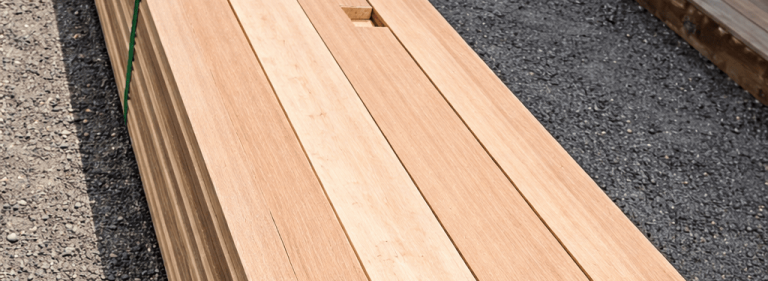
Because these screens are designed to let light and air pass through, they are completely exposed to the elements. They must sit out in the open, taking the full force of intense solar UV degradation, heavy winter downpours, and volatile temperature shifts. Choosing a cheap, low-grade wood will quickly result in ugly twisting, bowing, and splitting that ruins the clean lines of your project. To build an installation that lasts, you must look for premium, high-density hardwoods.
1. Spotted Gum
Many people believe that spotted gum is one of the greatest materials for architectural screening. With a natural Durability Class 1 rating, this extremely heavy and solid wood is extremely resistant to insect attack, deterioration, and wood rot.
From a design perspective, it offers a gorgeous, highly varied color palette that shifts seamlessly from light golden honeys to rich, dark chocolate browns. Crucially, Spotted Gum has a low tannin content compared to other hardwoods. This means that when the rainy season hits, it is far less likely to bleed messy brown oils onto your expensive outdoor tiled floors or concrete pathways.
2. Blackbutt
For properties designed around a crisp, modern architectural style, Blackbutt is an excellent option. It offers an even, highly consistent straw-blonde to light-brown colouring that fits beautifully with coastal designs and neutral colour palettes.
Beyond its looks, Blackbutt has strong natural fire-resistant. It is one of a select few Australian hardwoods that meet strict bushfire building codes without needing expensive chemical treatments, making it a safe, smart choice for homes situated on rural fringes or bushland boundaries.
3. Ironbark
Ironbark is the best option if your project needs to last as long as possible in harsh environments. This wood is incredibly heavy and hard, as its name suggests. It easily withstands heavy impacts, deep scratches, and dampness from the surroundings.
While its extreme density means it requires more time, patience, and specialised, sharp drill bits to install correctly on-site, an Ironbark screen will easily last for decades, weathering the elements with incredible grace.
V. Strategic Placement Around the Home
To get the most out of timber privacy screens, you have to think strategically about where they are placed. They should be positioned to solve specific privacy issues while actively maximising the path of the sun.
1. Second-Story Window Shrouds
Building box-like shrouds directly around raised bedroom or bathroom windows is one of the best uses for contemporary slatted screening. You can create a private visual barrier that keeps people on the ground from looking inside by covering these windows with a protective layer of timber battens.
Simultaneously, the occupants indoors can still look out at the sky. As the sun rises, these timber boxes catch the early morning heat, shading the window glass and keeping the indoor bedrooms cool and comfortable without needing to draw heavy fabric curtains.
2. Courtyard and Alfresco Extensions
Small urban inner-city courtyards that are overlooked by several nearby properties frequently have the appearance of fishbowls. You may extend your seclusion upward without making the courtyard appear cramped or small by installing tall timber screens along the top of existing modest boundary fences. Your courtyard keeps its open, outside feel because daylight and air can flow through the gaps, making it a bright area where vertical gardens and potted plants can flourish.
3. Hiding Services and Utilities
Every modern home requires ugly but necessary infrastructure, such as bulky air conditioning condenser units, wall-mounted instantaneous gas heaters, large rainwater tanks, and plastic rubbish bins. Timber privacy screens are the perfect tool to mask these unsightly elements from view.
Because the screen uses an open slat design, it allows the massive amount of exhaust airflow required by air conditioning units to escape freely, preventing the mechanical systems from overheating while keeping your home’s outdoor entertaining areas looking pristine and uncluttered.
VI. Installation Techniques for Long-Term Alignment
The difference between a luxury architectural feature and a messy DIY job comes down to the quality of the installation and the hardware used during assembly. Because dense hardwoods exert immense physical force as they expand and contract with changing humidity levels, your choice of fasteners is highly important.
The Stainless Steel Rule
When assembling outdoor screens, you should always use high-quality 304 or 316-grade stainless steel screws. Cheap brass, iron, or non-galvanised fasteners will quickly react with the natural acids and tannins present inside premium hardwoods. This chemical reaction creates an ugly, permanent black ink stain around every single screw hole that runs down the face of the wood. Furthermore, standard screws can easily snap under the sheer physical tension of shifting timber, whereas stainless steel offers the flexibility and rust resistance needed to survive decades of outdoor exposure.
Pre-Drilling and Countersinking
You should never try to force a screw directly into a dry piece of premium hardwood without preparing the wood first. Because these timbers are so dense, direct screwing will instantly split the ends of the wood or snap the head clean off your metal fastener.
Installers must carefully pre-drill a pilot hole for every single fixing point, followed by a countersinking bit. This ensures the screw head sits perfectly flush with, or slightly below, the surface of the timber, keeping the lines of your screen completely smooth and professional.
VII. Maintenance Realities: Treating vs. Weathering
A major decision you will need to make early on is how you want your timber to age over time. There are two distinct paths you can take, and both fit beautifully within modern home design.
The Natural Silvering Route
If you prefer a low-maintenance, rustic, or weathered coastal look, you can choose to leave your high-durability hardwood screens completely untreated. Over a period of 12 to 18 months, exposure to solar UV rays will break down the surface pigments of the wood, causing it to gradually age into a beautiful, uniform silvery-grey patina.
You won’t ever have to worry about sanding or re-staining your screens if you go this method. The wood’s defence against rot and decay is solely dependent on its inherent interior density and oils.
The Vibrant Coated Route
If you love the rich, warm, and golden tones of freshly cut raw timber, you will need to commit to a regular maintenance schedule. To lock in that original color, you must apply a premium, UV-rated outdoor timber oil or penetrating stain immediately after installation.
Depending on how much direct, harsh sunlight your screen receives throughout the year, you will need to clean the timber down and apply a fresh coat of oil every 12 to 18 months. While this requires ongoing effort, it ensures your timber features remain a bold, high-contrast focal point that elevates the look of your entire home.
Balancing Light, Air, and Life
The enduring appeal of timber privacy screens lies in their unique ability to solve practical living problems without forcing you to make design sacrifices. They prove that protecting your family’s privacy does not mean you have to live in a dark, walled-off fortress.
By choosing the right local hardwood species, carefully calculating your slat gaps, and positioning the structure to work with the natural path of the sun, you can create a home that feels incredibly secure, beautifully ventilated, and flooded with natural daylight. In a world where urban spaces are tighter than ever, these smart, slatted installations offer the perfect balance of open-air living and private sanctuary.
Frequently Asked Questions (FAQ)
1. Will a timber batten privacy screen completely block the view from outside?
A slatted screen is designed for fractional privacy rather than a total blackout. From a distance, a gap spacing of 10mm to 15mm makes it highly difficult for anyone to see fine details or see inside your home. However, because it is an open system that lets in light, silhouettes and light shapes will still be softly visible at night when your indoor lights are turned on.
2. What is the best way to clean my outdoor timber privacy screens before re-oiling?
To prepare your timber for a fresh coat of oil, you should never use a high-pressure water blaster at close range, as this can easily rip and splinter the delicate fibres of the hardwood. Instead, scrub the timber down using a stiff-bristled brush and a dedicated oxygen-bleach timber cleaner. This safely removes dirt, gray surface cells, and mold, opening up the wood pores so it can deeply absorb the new coating of protective oil.
3. Can I install timber privacy screens horizontally if I have kids?
If you are building a screen around elevated decks, balconies, or pool zones, running your timber slats horizontally can create a ladder effect, making it tempting for young children to climb. To ensure total safety and meet local pool compliance codes, you should always opt for a vertical batten layout in areas where children play unattended.
4. How do I stop my timber screen from warping over long spans?
Timber is a natural material that moves as moisture levels change. To keep your screen looking perfectly straight and true, you must ensure that your vertical or horizontal timber slats are supported by a solid back-frame rail at least every 900mm to 1200mm. Leaving long, unsupported spans of timber out in the weather will inevitably lead to bowing and misalignment.
5. Why are my timber privacy screens bleeding dark stains onto my concrete path?
This staining is caused by natural water-soluble wood sugars called tannins, which leach out of the timber when it rains. To completely avoid these stains, you can select low-tannin timbers like Spotted Gum, or ensure that your chosen wood is thoroughly pre-coated with a high-quality oil-based sealer on all six sides before it is installed on-site.