Pine Lining Boards
If you’ve driven through Brunswick, Northcote or any of Melbourne’s older suburbs and noticed a weatherboard cottage with a hallway ceiling running in neat vertical strips, you’ve seen pine lining boards at work. It’s a look that’s been part of Australian home building for well over a century, and it hasn’t gone out of style. If anything, it’s having a bit of a moment again as renovators chase a warm, textured feel that plasterboard just can’t give you.
At Melbourne Timber Supplies we stock pine lining boards in both raw and pre primed finishes, across a handful of profiles that cover most of what tradies and homeowners are after: VJ321, VJ302, VH321 and shiplap. Below we’ll walk through what these boards actually are, where they’re used, and how to pick the right one for your job.
What Is A Pine Lining Board, Exactly?
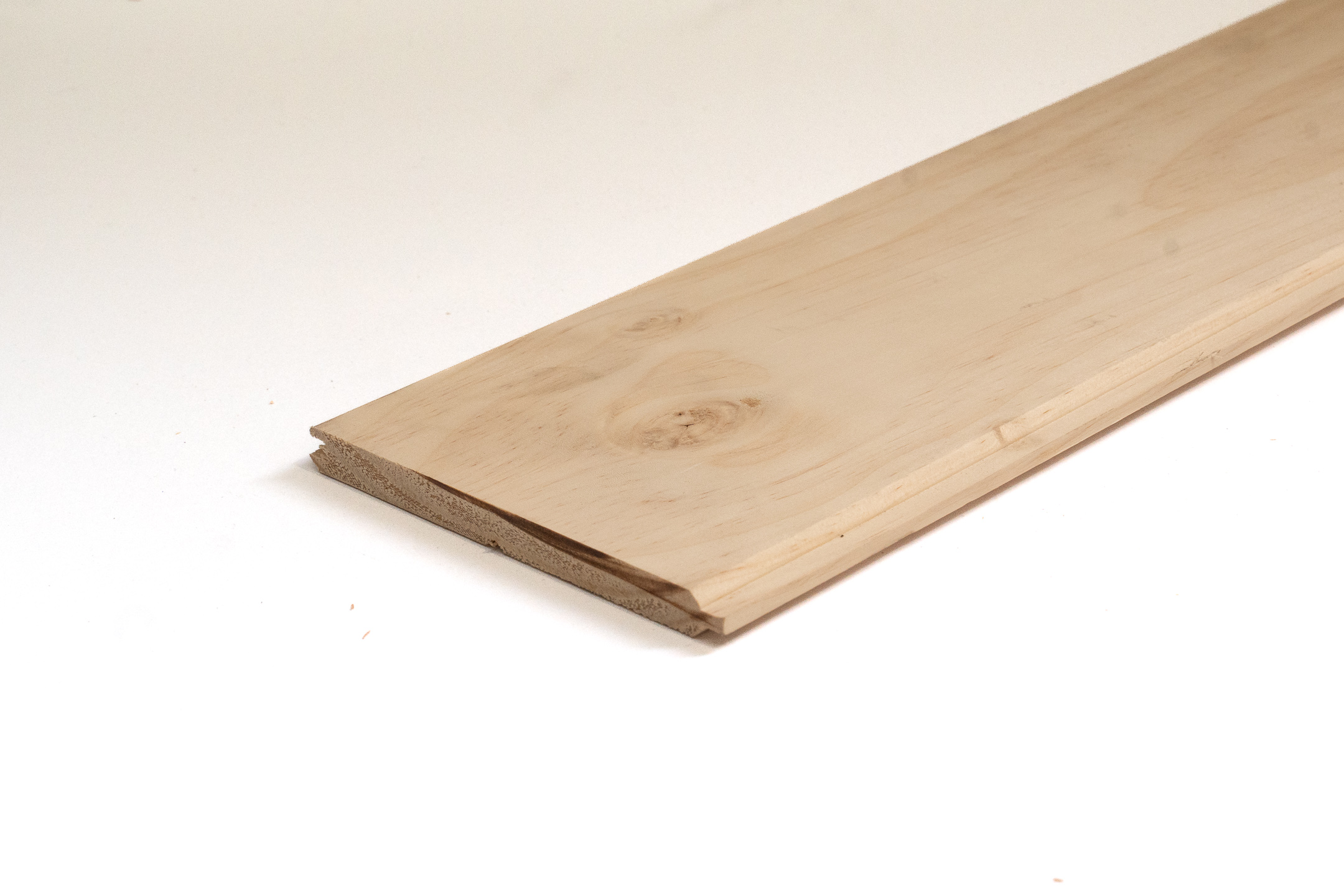
A lining board is a length of timber milled with a tongue on one edge and a groove on the other, so each board locks into the next when it’s fixed to a wall or ceiling. What sets a VJ board apart is the small V-shaped groove cut into the face at each joint, which is what the vertical joint name refers to. Once installed, that groove throws a thin shadow line down the wall, and that’s what gives VJ panelling its distinctive ribbed appearance.
Shiplap is a slightly different profile again. Instead of a V-groove, the boards overlap along a rebated edge, which gives a flatter, more understated line than VJ, useful if you want the timber texture without quite so much visual pattern.
Pine is chosen for this kind of lining because it’s a softwood. It’s lighter than hardwood equivalents, easier to cut and nail, and considerably cheaper per square metre. For large areas like full ceilings, that weight and cost difference adds up quickly, which is part of why pine has remained the go-to timber for lining boards since the profile was first popularised.
Raw Or Pre Primed – Which One Do You Need?
This is usually the first decision buyers face, and it mostly comes down to what you’re planning to do with the timber once it’s installed.
Raw boards, like our 140x12mm VJ321, arrive unfinished. That’s exactly what a lot of people want, because it means you’re not paying for a factory coating you’re going to sand back or paint over anyway. Raw boards suit anyone planning to oil or clear-coat the timber to show off the grain, or anyone who’s particular about paint colour and wants full control over the primer and topcoat themselves.
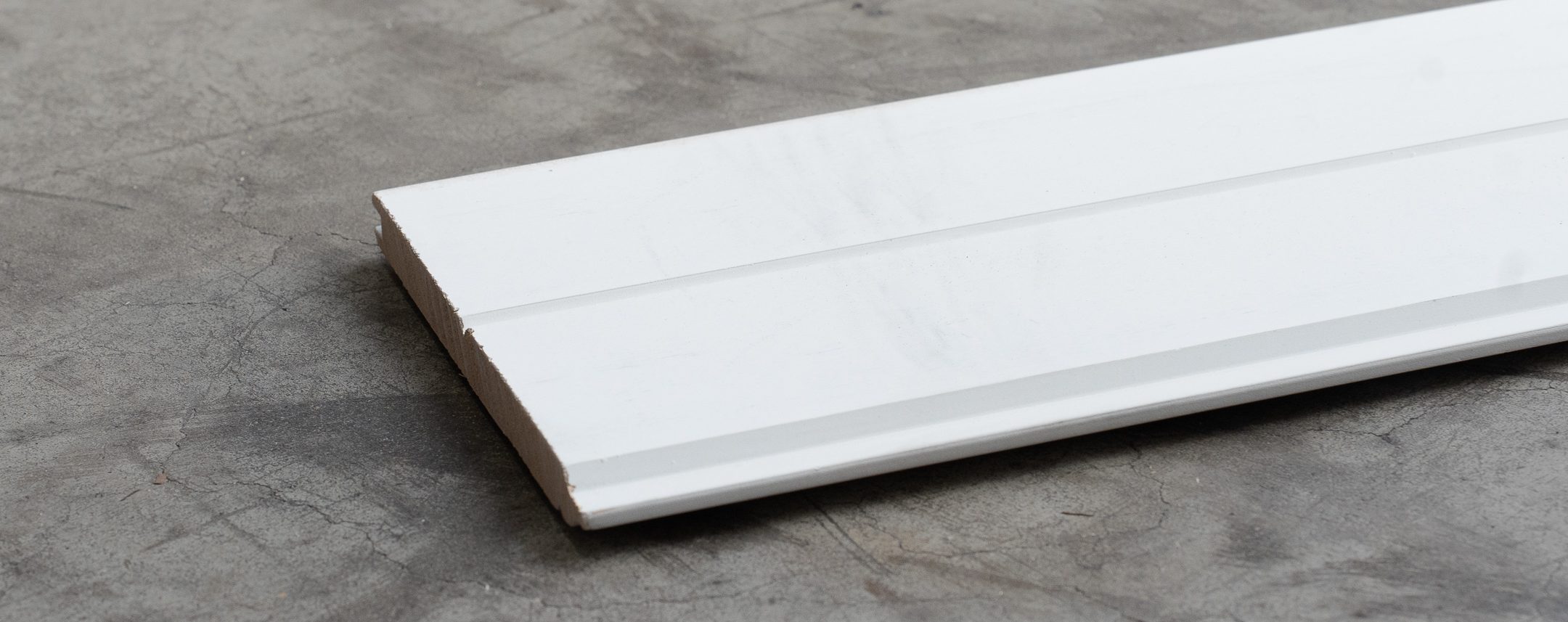
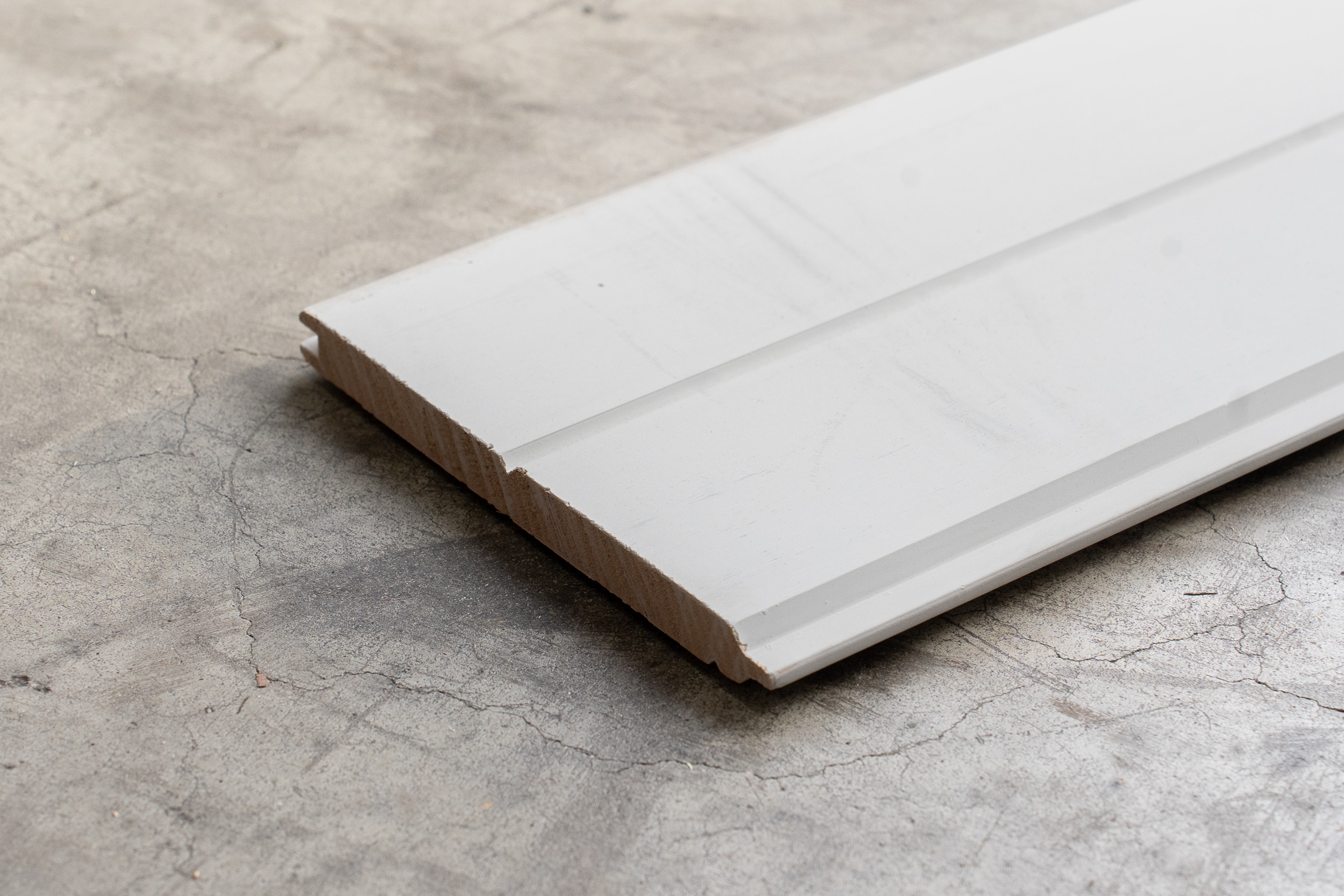
Pre primed boards, our VJ302, VH321 and shiplap ranges, come with a factory-applied primer already on. If you already know the wall’s going to be painted, this saves a step on site and gives a more even base coat than you’ll typically get priming individual boards by hand, especially on a job with a few hundred lineal metres to cover. Builders working to a schedule tend to lean toward pre primed boards for this reason, since it’s one less trade or one less day waiting for primer to cure before the painter can start.
Neither option is objectively better. It depends on the finish you’re chasing and how much time you’ve got on site.
Profiles We Stock And What They’re Suited To
VJ321 is the classic option and probably what most people picture when they hear the term VJ lining. We stock this at 140x12mm in a raw finish, which makes it a solid choice if you’re after a traditional heritage look and want to apply your own stain or paint.
VJ302 is a closely related profile, milled at 138x11mm with a 132mm cover. It’s supplied pre primed, so it’s a practical option if your project calls for VJ detailing but you don’t want the extra step of priming on site.
VH321 sits in the same size bracket, 138x11mm with a 132mm cover, but with a slightly different face profile to VJ302. A question we get asked a lot is whether VJ302 and VH321 can be mixed on the same job. They’re close enough in size that they’ll sit flush against each other, but the face profile is different enough that most people notice once the wall is painted and the light hits it at an angle. If you’re topping up an existing area rather than starting from scratch, bring a sample of your existing board in, or send us a photo, and we’ll match it against what we’ve got in stock before you order.
Shiplap, also 138x11mm with a 132mm cover, gives you an overlapping board look rather than a V-groove. It reads as a bit more contemporary and works well where you want texture without a strong repeating pattern, and alfresco ceilings and modern extensions are common uses for it.
Where Pine Lining Boards Get Used
Interior feature walls are probably the most common application we see, particularly in bedrooms, hallways and behind a bed head or TV unit, where a single wall of timber lining adds warmth without cladding the whole room.
Ceilings are the other big one. Full VJ ceilings in period homes, or partial sections in a hallway or entry, are a renovation staple in Melbourne’s Victorian and Edwardian housing stock. Because pine is light, it’s genuinely easier to install overhead than a hardwood equivalent, which matters when you’re working above your head all day.
Beyond the interior, primed boards also turn up under verandahs and in alfresco areas, provided they’re properly sealed and protected from direct weather. Pine isn’t a naturally durable species outdoors the way some hardwoods are, so this is worth checking with our team before you commit to an exterior application.
Installation Notes Worth Knowing Before You Order
Lining boards are generally installed vertically, fixed back to horizontal noggins or battens rather than straight onto studs, which is part of why they’re called vertical joint boards in the first place. Get your batten spacing wrong and you’ll end up with boards that flex or squeak underfoot years down the track, so it’s worth checking your substrate before ordering, not after.
Coverage width matters more than face width when you’re calculating quantities. The 132mm cover figure on our pre primed range accounts for the overlap at each joint, so ordering based on the full board width alone will leave you short. If you’re not sure how to calculate this for your area, give our team a call and we’ll run the numbers with you.
Finishing And Maintaining Your Boards
Finishing raw boards isn’t complicated, but it’s worth doing properly. A clear oil or matte sealer tends to bring out the grain nicely without darkening the timber too much, while a wash-coat or tinted stain is a good middle ground if you want some colour without hiding the wood entirely. Whatever finish you choose, coat all six sides of each board, including the tongue and groove edges, before installation. It’s a step people skip when they’re in a hurry, and it’s usually the reason a board cups or gaps at the joint a year or two later. Pre primed boards obviously skip most of this, though we’d still recommend a light sand before the topcoat goes on, just to knock back any handling marks from transport.
Pine used in lining boards is a plantation-grown, renewable timber, which is one of the reasons it’s stayed affordable even as some hardwood species have gotten harder to source. It’s not a substitute for hardwood in structural or high-wear applications, but for internal wall and ceiling lining, where the timber isn’t load-bearing, it’s a sensible and practical choice.
Ordering And Pricing
Pricing on pine lining boards varies mainly with the finish and the profile, with raw boards generally sitting below pre primed ones on a per lineal metre basis, and specialty profiles occasionally carrying a small premium over the standard VJ321. For an exact price on your project, it’s best to call or send through your measurements rather than rely on a general figure, since freight and volume both affect the final cost.
If you’re ordering for a renovation across Melbourne’s inner or middle suburbs, we can generally get stock to site within a few days, though it’s worth calling ahead if you’re on a tight build schedule or need a larger volume for a full ceiling. Our team can also help with an on-the-spot quantity estimate if you give us your wall or ceiling dimensions, so you’re not over-ordering or, worse, running short halfway through a job and waiting on a second delivery.
Why Order Through Melbourne Timber Supplies
We keep raw and pre primed pine lining boards in stock across the profiles above, so you’re not waiting weeks on a special order for a standard ceiling or feature wall job. Our team can also help you match profiles if you’re renovating an older property and need to tie new boards in with existing lining, which is harder to get right than it sounds given how many similar-looking VJ and shiplap profiles are on the market.
If you’re not sure which board or finish suits your project, get in touch with our team for a quote and some straight advice on quantities, coverage and freight to your site.