
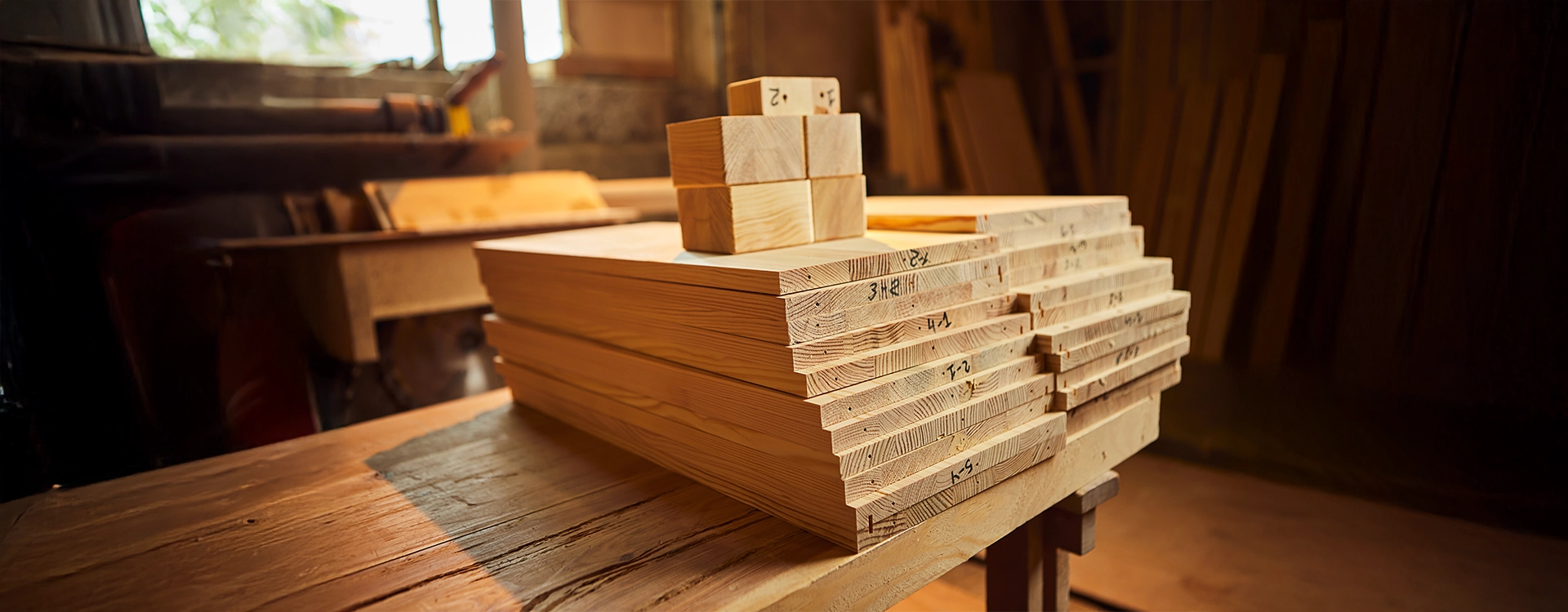
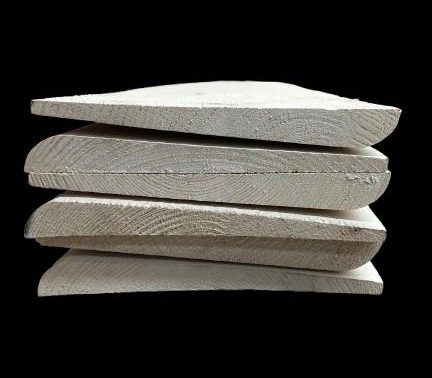
Round Edge Profile 170X19mm
$18.70 – $31.15
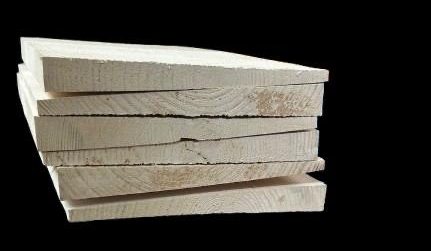
If you have ever stood in front of a stack of weatherboard options trying to work out which timber is actually worth the money, you’re not alone, it’s one of the most common questions we get at Melbourne Timber Supplies. Our answer, more often than not, is Baltic Pine. It’s not the flashiest timber on the yard, but it’s the one that keeps builders and renovators coming back, project after project, and there are good reasons for that.
Baltic Pine is a softwood that’s been used in Australian construction for well over a century, originally imported from the Baltic region of Northern Europe before local milling and supply chains made it a standard stock item here. What’s kept it relevant all this time isn’t nostalgia, it’s the way it performs. The grain runs straight and tight, with minimal knots compared to a lot of other softwoods, which means it machines cleanly, takes paint and stain evenly, and doesn’t fight you when you’re cutting, planing or nailing it on site. If you’ve worked with timber that splits the moment a nail goes in near the edge, you’ll understand why that matters more than it sounds like it should.
Why We Prime It Before It Leaves the Yard
Every board in this range leaves Melbourne Timber Supplies pre-primed. That’s a deliberate choice, not just a convenience add-on. Raw softwood left exposed on site, even for a few days between delivery and installation, starts absorbing moisture unevenly, and that uneven absorption is where a lot of paint jobs go wrong later. Boards cup, joints open up, and the topcoat doesn’t bond the way it should because the timber underneath was never properly sealed to begin with.
Priming at the mill means every face and edge gets consistent coverage before the timber is exposed to site conditions, weather changes, or sitting in a garage for three weeks while the rest of the job catches up. It also means less prep work for you or your painter, no sanding back raw timber, no separate priming stage, no waiting around for a base coat to cure before you can even think about the finish colour. You’re effectively buying back a day or two of labour on every job.
Where This Timber Actually Gets Used?
Weatherboard cladding is the obvious application, and it’s where Baltic Pine has traditionally made its name, full exterior walls, feature sections on an otherwise brick facade, or matching in on a renovation where the original boards need replacing. But we sell just as much of this range for other jobs. It turns up in feature fencing where clients want a timber look without hardwood pricing, in shed and outbuilding cladding, on gable ends, and increasingly on interior feature walls where the horizontal board look has become a genuine design trend rather than just an exterior finish.
Because it’s a softwood, it’s also a realistic option for owner-builders and renovators who are comfortable with hand tools but don’t want to be wrestling hardwood all weekend. It cuts and fixes with standard gear, no need for specialised blades or predrilling every single fixing point, though we’d still recommend predrilling near board ends to avoid splitting, same as with any timber.
The Two Profiles, and Why the Difference Matters More Than You’d Think
We stock this board in Square Edge and Round Edge profiles, both milled to 170 x 19mm. On paper that sounds like a minor styling choice. On a finished building, it’s actually one of the more noticeable design decisions you’ll make.
Square Edge gives you a flat, crisp line with no rounding on the face, it’s the profile most new builds and renovations lean toward now, because it reads as clean and architectural rather than traditional. Round Edge carries a softened, bullnose-style edge that immediately reads as more classic weatherboard, the kind you’d associate with older Melbourne homes and heritage streetscapes. Neither is objectively “better”, it genuinely comes down to what the rest of the building is doing. Mixing profiles on the same job is uncommon, but because both are milled to the same dimension, it’s not a problem if a design calls for it.
We’ve gone into more detail on each profile individually below, including which types of projects tend to suit each one.
Durability and Maintenance, Realistically
We’ll be straight with you: Baltic Pine is a softwood, and it doesn’t have the natural rot resistance of something like a hardwood or a treated pine product. What it does have is a long track record of performing well when it’s properly primed, painted, and maintained, which, to be fair, is true of most cladding timbers. The priming we do at the mill is the first line of defence. After that, it comes down to a decent topcoat, properly sealed joints, and keeping an eye on any spots where water might sit or pool, particularly around sills, corners, and ground-level boards.
Repainting on a normal maintenance cycle, most people land somewhere around every seven to ten years depending on orientation and exposure, will keep it performing well past what a lot of people expect from a softwood. North and west-facing walls in direct sun and weather will generally need attention sooner than sheltered or south-facing sections, which is worth factoring into your maintenance planning rather than treating the whole building as one uniform surface.
Buying From Melbourne Timber Supplies
We supply this range to builders, renovators, and owner-builders across Melbourne, and we keep consistent stock levels specifically because weatherboard jobs tend to need accurate quantities up front, running short mid-job because a batch has changed in colour or width is the kind of delay nobody wants. Our boards are milled to consistent dimensions, primed to a uniform standard, and checked before they go out, so what turns up on site matches what you ordered.
If you’re not sure how many linear metres you’ll need, how the two profiles will look next to your existing brickwork or roofline, or whether Square or Round Edge suits your project better, get in touch with our team before you order. We’d rather talk it through up front than have you order the wrong profile and find out on install day.
A Few Practical Notes Before You Order
Weatherboard jobs live and die on accurate measuring, so it’s worth doing the sums properly before you place an order rather than guessing and topping up later. Measure the total wall area you’re cladding, subtract door and window openings, then factor in the overlap between boards, most weatherboard profiles require somewhere between a 25mm and 30mm overlap depending on how they’re set out, which affects your actual coverage per board versus its face width. If you’re not confident running these numbers yourself, send us your dimensions and we’ll work out quantities with you rather than have you order short.
Storage on site matters too. Even though these boards arrive primed, they should still be stacked flat, kept clear of the ground, and covered if they’re going to sit for more than a few days before installation. Priming protects the timber from moisture absorption, but it’s not a substitute for sensible handling, bowed or twisted boards from poor stacking will cause headaches during install regardless of how well they were milled.
Finally, when it comes to the finish coat, a quality exterior-grade paint suited to timber will get you the best long-term result. It’s a small cost relative to the rest of the job, and it’s the layer actually protecting the timber from Melbourne’s weather swings, so it’s not the place to cut corners once you’ve already invested in a quality primed board.