
When executing a home renovation, the features that connect your rooms and secure your entryways set the tone for both daily living and long-term property value. Among these features, doors play a starring role. A door is more than a simple room divider, it is a daily touchpoint, a noise barrier, a temperature-control shield, and a primary design feature.
To choose the right hardwood door, you have to look beyond surface paint and stains. Homeowners and renovators need to consider the door’s construction, the durability of the wood species, how it handles local weather and how well it blocks unwanted noise.
This straightforward guide will help you select high-performing wooden doors that are both aesthetically pleasing and long-lasting, whether you are building a modern addition, renovating a mid-century home or remodelling a classic period home.
1. Choosing the Core: Solid Wood Slabs vs. Engineered Timber Cores
You must decide on the door’s construction before choosing a wood colour or treatment. Pure solid wood slabs and engineered timber core doors are the two major types of high-quality doors used in contemporary house design.
Pure Solid Wood Slabs
Solid slabs are the epitome of traditional woodworking, composed entirely of continuous pieces of natural hardwood.
- How They Behave: Pure solid wood responds naturally to changing seasons, expanding and contracting slightly as air humidity rises and falls.
- The Look and Feel: They carry a rich, heavy feel and can be sanded back, repaired, and refinished as many times as you like over the decades.
- Best Uses: Ideal for interior hallways or front entryways protected by deep, covered porches where direct rain and intense afternoon sun won’t hit them directly.
Engineered Timber Cores with Hardwood Veneers
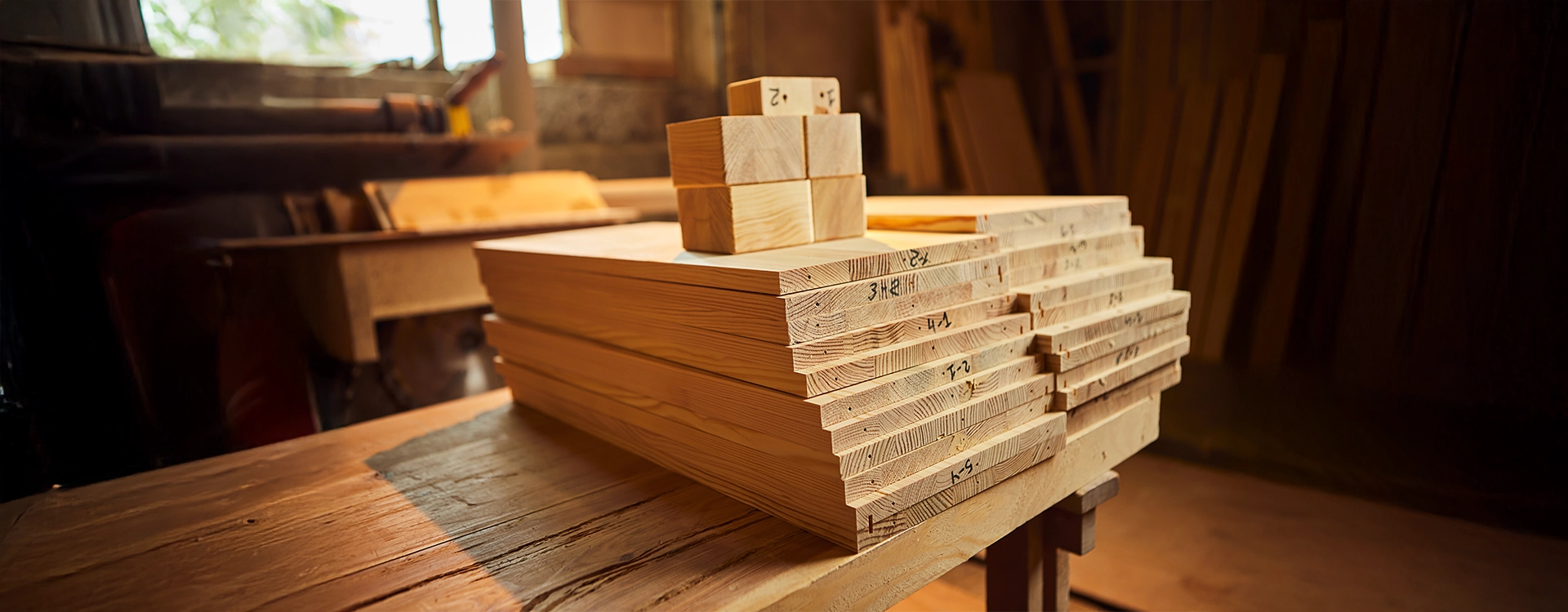
Engineered doors feature a heavy, multi-layered real wood core topped with a thick, genuine hardwood surface layer and matching solid wood edges.
- How They Behave: The clever multi-layer core counteracts the wood’s natural tendency to warp, bow, or twist when one side of the door is hot and the other is cold.
- The Look and Feel: They look and feel identical to a solid wood slab, but offer superior stability against tough weather.
- Best Uses: The top choice for high-exposure exterior timber doors Melbourne renovators install, especially on sunny front entryways or coastal homes exposed to wind and rain.
2. Picking the Right Wood Species for Your Climate
Selecting the right timber species means matching the natural density and oiliness of the wood to where the door will sit in your home. When exploring options from trusted timber door suppliers Melbourne renovators use, Australian hardwoods offer fantastic variety:
- Spotted Gum: One of Australia’s toughest native hardwoods. It features a striking mix of colors ranging from soft honey-browns to rich dark chocolates. It is extremely resistant to scratches, dents, and harsh weather. It even meets high bushfire safety requirements naturally, making it a favorite for timber front doors Melbourne homeowners pick for leafy or coastal suburbs.
- Blackbutt:Ideal for light-filled, contemporary remodelling. The colour range of Blackbutt is clean, pale cream to warm blonde. It looks well with modern minimalist design and coastal interiors, and it maintains its shape astonishingly well in a range of temperatures.
- Merbau:Rich, reddish-brown tones make this hardwood popular and affordable. Merbau is a dependable material for outdoor entry frames since it naturally resists rot and deterioration. To avoid its natural oils splashing onto light-colored paving during heavy rain, just make sure it is correctly sealed during installation.
- Victorian Ash: Featuring a smooth, straight grain and light color, Victorian Ash takes stains predictably and paints like a dream. Because it is softer than Spotted Gum, it is ideal for interior doors or sheltered front doors protected under a wide verandah.
3. Keeping Out Noise and Staying Energy Efficient
A door does more than look good—it plays a big part in keeping your home quiet, cozy, and cheap to run.
Acoustic Insulation (Blocking Unwanted Sound)
The weight and density of a door leaf directly control how well it blocks noise.
- Cheap hollow-core doors let sound pass right through, making it easy to hear conversations or TV noise from the next room.
- Heavy solid timber entry doors Melbourne builders install act as impressive noise barriers. Using solid hardwood doors for bedrooms, home offices, and media rooms creates peaceful, private spaces even in busy households.
Energy Efficiency and Draught Control
Front and back doors form a key part of your home’s insulation shield.
- Natural Insulation: Dense hardwood is a naturally great insulator compared to cold metal or thin composite plastic.
- Double Glazing: If your entry door features glass windows or side panels, make sure to choose double-glazed glass to keep indoor heat from escaping in winter.
- Quality Seals: Even a thick, solid wood door will lose warmth if air leaks around the edges. Make sure your carpenter installs continuous flexible weather seals along the frame and a drop-down seal at the bottom of the door.
4. Hardware, Hinges, and Proper Support
Because real hardwood is naturally dense and heavy, the hardware supporting your door needs to be built tough.
- Heavy-Duty Hinges: A quality solid hardwood door can easily weigh between $45\text{kg}$ and $100\text{kg}$ or more. Standard lightweight hinges will quickly sag, causing the door to drag along the floor. Always use heavy-duty ball-bearing stainless steel hinges—typically four hinges per door for tall front entrances.
- Pivot Systems for Grand Entrances: For extra-wide modern front doors (over a meter wide), ask your builder about a floor-anchored pivot system instead of traditional side hinges. Pivot hardware easily handles heavy weight while opening smoothly with a light touch.
- Multi-Point Locks: Tall entry doors benefit from multi-point locks that latch at the top, middle, and bottom of the frame at the same time. This keeps the door held flat against the weather seal, preventing any heat-related warping over time.
5. Protective Finishes and Easy Maintenance
Unsealed wood quickly absorbs moisture from the air, which can cause swelling and dullness on the surface. Applying and maintaining a high-quality protective finish is the key to keeping your door looking brand new.
- Penetrating Oils: These finishes soak deep into the wood grain without creating a hard plastic shell on top. They bring out the natural beauty of the timber and let the wood breathe. Re-applying them is as easy as wiping on a fresh coat every 12 to 18 months for exposed doors.
- Clear Lacquers and Polyurethanes: These form a hard, shiny protective coat on the surface. While they offer great water protection, hard lacquers exposed to heavy direct sunlight can eventually crack, requiring the door to be sanded down before re-coating.
- The Rule of All Six Edges: No matter what oil or varnish you choose, all six sides of the door (front, back, left edge, right edge, top edge, and bottom edge) must be fully sealed before the door is hung. Leaving the top or bottom edge unsealed lets ground moisture soak up into the raw wood, leading to swelling and sticking.
Elevating Your Renovation Value
One of the most pleasant improvements you can make to your home during a remodel is choosing the proper hardwood doors. You can ensure that your doors will function flawlessly for decades by taking into account door construction, wood density, noise blocking, and appropriate hardware.
Investing in authentic, high-density custom timber doors Melbourne craftsmen build creates a welcoming, high-quality feature that adds security, comfort, and real market value to your home.
Frequently Asked Questions (FAQ)
1. What is the difference between solid timber doors and solid-core timber doors?
A pure solid timber door is made entirely from 100% natural hardwood timber joined together using classic woodworking techniques. A solid-core door features a thick, dense inner core (made from packed wood fibers or timber blocks) covered by a real hardwood surface layer. Pure solid wood offers ultimate strength and can be sanded down many times, while solid-core doors offer a great budget-friendly option with excellent soundproofing and weight.
2. Can I paint or stain a timber door black if it gets a lot of afternoon sun?
Painting or staining an exposed front door black or dark brown is generally not recommended if it gets direct afternoon sun. Dark colors absorb intense heat from the sun, making the door surface extremely hot. This rapid heating can cause the wood to expand unevenly, leading to surface cracking or bowing. For sunny front entryways, light or natural wood stains are much better choices.
3. How do I know if my renovation needs a bushfire-rated timber door?
If your property is in a designated bushfire-prone area, your local council or building surveyor will give your home a Bushfire Attack Level (BAL) rating. For medium ratings (such as BAL-12.5, BAL-19, or BAL-29), entry doors must be made from dense, naturally fire-resistant native timbers like Spotted Gum or Blackbutt, built to a minimum thickness of $35\text{mm}$.
4. Should my interior hardwood doors match the colour of my timber floors?
They don’t have to! While matching interior doors to your floorboards creates a seamless, uniform look, contrasting tones can look stunning. Many designers pair light-colored floors (like blonde oak or Blackbutt) with rich, darker hardwood doors to turn the doors into warm architectural features. Alternatively, you can use paint-grade solid wood doors and paint them to match your wall trim while keeping the heavy, quiet feel of real wood.
5. How often do outdoor hardwood doors need to be re-sealed or oiled?
That depends on how much sun and rain hit the door. Front doors sitting under deep, fully shaded porches might only need a quick touch-up every 3 to 5 years. However, doors exposed to direct afternoon sun and rain should be checked once a year and re-oiled every 12 to 18 months to protect the wood from UV fading and water damage.