Stepping into a high-end timber showroom anywhere in Victoria is an intentionally seductive sensory experience. Under the warm glow of architectural spotlights, large-format display panels showcase pristine boards of European Oak and dense Australian hardwoods.
The rich textures, matte protective sealers, and deep organic grains present an image of absolute perfection. It is incredibly easy to fall in love with a display sample, sign a deposit check on the spot, and assume your interior transformation will proceed flawlessly.
However, transitioning a premium timber sample from a showroom floor to a real-world residential or commercial space requires moving past surface aesthetics and stepping into technical interrogation.
Timber is a highly dynamic, hygroscopic building material. It continuously interacts with its surrounding atmosphere, responding to temperature spikes, subfloor moisture levels, and localised climate variations.
In a city known for its highly unpredictable weather shifts-where a dry, scorching 40°C afternoon can be followed by a sudden, humid downpour- buying wood requires deep material awareness.
Failing to ask the right technical questions before you buy hardwood flooring from Melbourne suppliers can lead to buckling boards, failed adhesives, and expensive legal disputes.
To safeguard your architectural investment, this comprehensive guide outlines the exact, non-negotiable questions you must ask your supplier and installer before purchasing a real wood foundation.
I. What is the Exact Moisture Content of This Batch, and How Do You Measure It?
This is the most critical question you can ask, yet many consumers rarely raise it. The internal moisture content of a timber board dictates its structural stability. If wood is installed when it is too wet or too dry for its destination environment, it will warp violently as it attempts to adjust to the room’s ambient air.
To perform reliably throughout Victoria, a hardwood flooring system must be kiln-dried to an exact equilibrium moisture content (EMC), ideally aligning with the regional atmospheric baseline of 9% to 12%.
- If you install wood with an excessively high moisture content, the dry indoor air generated by winter heating systems will suck out the moisture, causing the boards to shrink, create unsightly gaps, or split along the tongue-and-groove joints.
- Conversely, if the timber is overly dry when installed, it will absorb moisture during a damp winter, causing the planks to swell, crowd together, and bow upward away from the subfloor.
The Verification Check
Do not accept a generic assurance that the wood is perfectly fine. Ask your supplier for documented proof that the batch has been kiln-dried to the mandatory 9%-12% baseline.
Furthermore, ensure your on-site installation team uses a calibrated, pinless digital moisture meter to test both the timber planks and your concrete or plywood subfloor before any installation work begins.
II. Is This Quote Based on a Floating System or a Direct-Stick Methodology?
When comparing different showroom estimates, the final bottom-line figures can vary by thousands of dollars. This cost variance rarely stems from the wood itself; instead, it is driven by the structural fixing method hidden beneath the surface. You must force the supplier to clarify this mechanical detail in writing, as it fundamentally alters the long-term feel, acoustics, and resale value of your home.
The Cost and Performance Divide
A floating installation is the standard approach for entry-level engineered timber. The individual boards are click-locked or glued to each other, resting freely over a thin foam acoustic underlay without being permanently anchored to the underlying subfloor.
Because it requires no expensive polyurethane adhesives or hidden metal fasteners, the overall hardwood flooring installation cost Melbourne trades charge for a floating floor is highly competitive, usually ranging from $35 to $55 per square meter.
However, floating floors can sound slightly hollow underfoot, can bounce slightly over minor subfloor variations, and cannot be aggressively sanded back and refinished down the track.
For a true, permanent architectural finish, you should ask for a direct-stick (glue-down) specification. This method permanently bonds every single timber board to the subfloor using a high-spec, flexible polymer adhesive.
While a direct-stick installation demands superior trade skill and adds an adhesive material charge pushing installation labour rates up to $70 to $120+ per square meter it eliminates hollow echoing, provides a solid feel underfoot, and allows the timber to be sanded and refinished multiple times over its lifetime.
Understanding exactly which fixing method is specified ensures you are comparing quotes accurately while matching your project’s acoustic and structural expectations.
III. How Thick is the Real Wood Wear Layer, and How Many Times Can It Be Refinished?
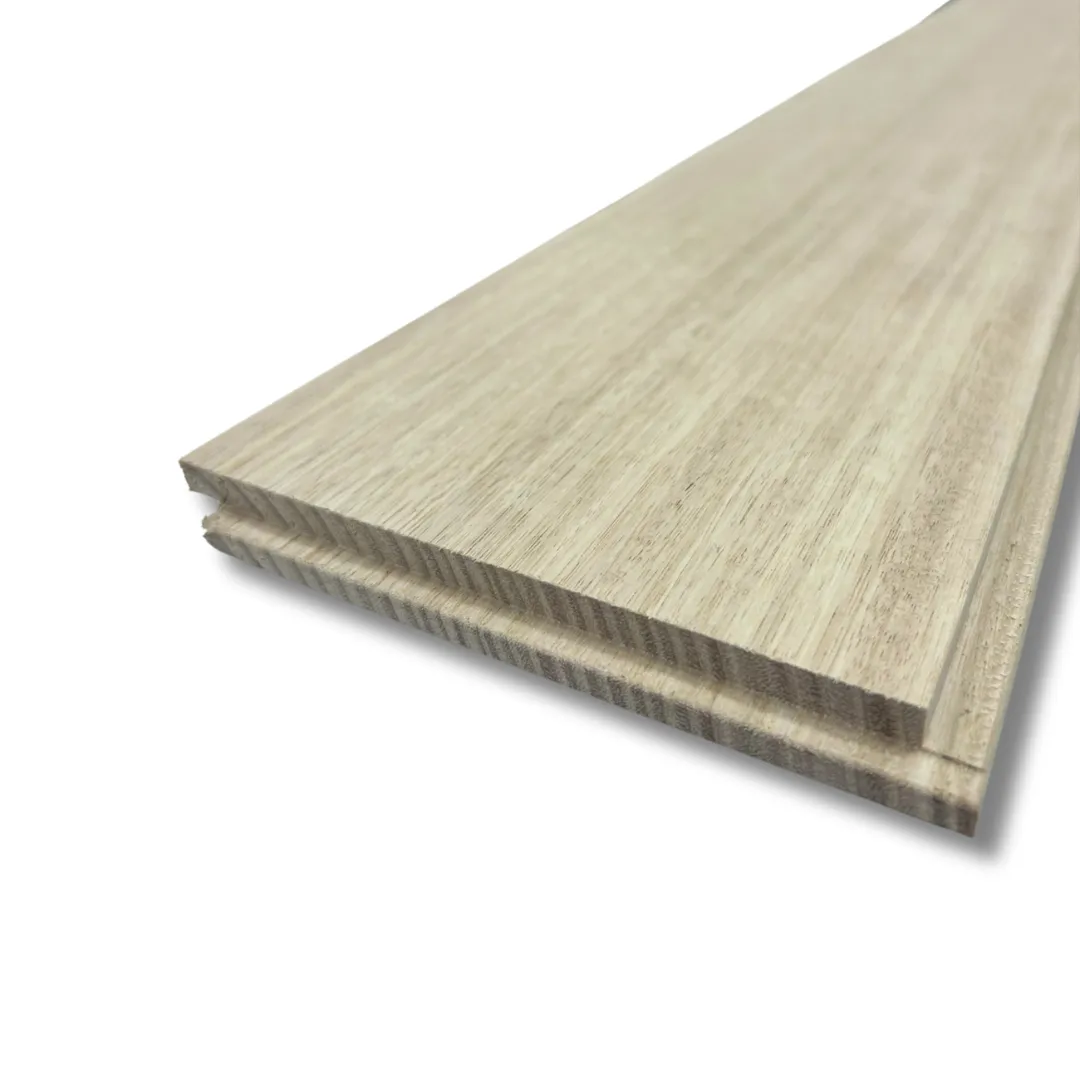
If you choose an engineered profile over a solid wood board, you must look closely at the cross-sectional profile of the plank. The value of an engineered hardwood floor system is heavily tied to the thickness of its top real wood veneer, known in the trade as the wear layer.
Cheap, mass-produced engineered boards often feature a paper-thin wear layer measuring just 1.5mm to 2mm. While this look satisfies an immediate renovation budget, it represents a short-sighted investment. A veneer under 2mm cannot withstand the aggressive cutting drums of a professional sanding machine. If the floor becomes deeply gouged, scratched by pets, or worn down by heavy foot traffic, it cannot be restored. The entire floor must be torn out and replaced.
To ensure your investment adds permanent equity to your property, prioritise engineered boards boasting a substantial 4mm to 6mm wear layer. A premium 6mm wear layer provides enough material depth to be completely sanded back, re-stained, and refinished two to three times over its lifespan, matching the long-term durability of traditional solid timber while retaining the structural stability of an engineered core.
IV. What Specific Subfloor Preparation is Included in This Estimate?
The ultimate success of your new floor depends entirely on the hidden foundation beneath it. A frequent source of frustration and unexpected extra charges during home renovations is a lack of clarity around subfloor preparation.
When old carpets, tiles, or vinyl sheets are pulled up, the underlying concrete slab or timber framework is rarely perfectly flat or ready for immediate installation. If you install premium flooring, hardwood floors over an uneven base that deviates by more than 2mm over a 2-meter radius, the timber planks will flex, creak, and eventually crack under foot traffic.
The Missing Scope Trap
Many basic showroom quotes include the cost of supplying the timber and laying the planks over a perfectly prepared surface. They entirely leave out subfloor preparation from the initial estimate. Then, on the first day of installation, the installer notices that the concrete slab is uneven or retains moisture, handing you an unexpected change order for mechanical diamond grinding or self-levelling compound applications.
To avoid these stressful budget spikes, ask your supplier or builder to clearly state what subfloor preparation steps are included. Ensure your trade contract specifies that they will conduct an on-site inspection after old flooring removal to measure floor levelness and run concrete relative humidity ($RH$) tests.
Request clear, per-square-meter pricing for any potential levelling adjustments, moisture barriers, or grinding work in advance, so you know precisely how your budget could shift based on site conditions.
V. Is the Timber Sustainably Sourced, and Can You Provide Chain-of-Custody Certification?
With modern architecture placing a strong emphasis on low-VOC materials and sustainable build practices, verifying the origins of your wood is both an ethical responsibility and a smart investment. The global timber trade is vulnerable to illegal logging, where old-growth forests are unsustainably cleared, and the wood is treated with toxic, high-formaldehyde glues that can compromise your home’s indoor air quality.
When purchasing hardwood and flooring systems, directly ask your supplier for official chain-of-custody documentation. Look for globally recognised certifications such as the Forest Stewardship Council (FSC) or the Programme for the Endorsement of Forest Certification (PEFC).
Certified timber ensures that your floorboards have been tracked from a responsibly managed forest through the milling process, straight to the showroom.
Furthermore, asking for low-VOC ($Volatile\ Organic\ Compound$) emission ratings specifically targeting an (E0) or (E1) formaldehyde rating guarantees that the factory glues and UV-lacquers used on your boards will not emit harmful chemical vapours into your living zones, keeping your home safe and healthy.
VI. Long-Term Maintenance: Protecting Your Production Asset
Once you have selected your ideal wood species and finalised your installation plan, protecting your long-term asset requires using the correct maintenance tools. Real wood flooring should never be cleaned using traditional, aggressive techniques. Flooding a premium hardwood flooring wood flooring layout with water from a standard string mop allows liquid to pool in the micro-gaps between planks, leading to edge-cupping, surface staining, and finish breakdown.
To preserve the natural character and protective finish of your floor, avoid harsh household detergents and steam mops entirely. Instead, invest in a premium microfiber spray mop that applies a fine, controlled mist of pH-neutral timber cleaner across the surface.
When choosing the best floor mop for hardwood floors, opt for a lightweight model equipped with a machine-washable, soft microfiber pad. These specialised pads safely lift away dust, grit, and pet hair without scratching the protective lacquer or oil coating, ensuring your hardwood floor wood boards retain their deep, rich lustre for decades.
Total Clarity Before Commitment
Navigating a premium timber floor renovation requires looking past standard sales pitches and demanding real technical data. By asking clear, targeted questions regarding batch moisture content, wear layer thickness, structural fixing methods, subfloor preparation boundaries, and environmental certifications, you shift the balance of power back to your side of the ledger.
Taking the time to double-check these technical details before signing a purchase agreement will mean your new floor will not only look stunning on handover day, but will stay straight, true and structurally sound for generations to come
Frequently Asked Questions (FAQ)
1. Why does a showroom timber sample sometimes look different from the product delivered to my home?
Real wood, being a genuine creation of nature, will have unique grain patterns, natural knots and subtle colour variations from growth to growth in each tree. A small sample panel taken from a showroom cannot convey the full visual personality of an entire batch of forest. When buying, always ask your supplier to show you photos of a full, wide-area installation of that particular timber grade, so you can expect the natural colour variations and character markings across a larger surface area.
2. What is the difference between Select Grade and Feature Grade timber finishes?
Timber grading refers strictly to the visual appearance of the wood face, not its structural strength.
- Select Grade: Features a highly refined, consistent face with minimal natural markings, clean grain lines, and very few tiny knots, making it ideal for minimalist or formal interiors.
- Feature (or Rustic) Grade: Celebrates the raw character of the tree, showcasing prominent knots, bold colour streaks, and natural insect trails, adding a rustic charm at a lower material price point.
3. Can I install solid hardwood flooring directly over an existing hydronic underfloor heating system?
No. Laying conventional solid timber directly over underfloor heating is a high-risk strategy and normally invalidates the manufacturer’s warranty. Direct heat will cause solid wood to dry unevenly and result in serious cupping, splitting and warping. If you have underfloor heating in your home, then you need to select a high-end, very stable engineered timber floor that has been specifically rated by the manufacturer for use with radiant heat, and you need to ensure that the system is never used at an operating temperature above 27°C.
4. What happens if my installer skips the mandatory timber acclimatisation process?
Skipping the acclimatisation stage is a primary cause of major floor failures. If timber is taken straight from a cold delivery truck and immediately locked into a warm, climate-controlled home, the wood will experience a sudden moisture shift. The planks will quickly warp, bow, or lift away from the subfloor as they struggle to adapt to the room’s ambient humidity. To prevent this, unstrap the boards and loosely stack them in the room for 48 to 72 hours before installation begins.
5. How often will I need to sand back and refinish my real wood floors completely?
In a normal residential home with normal foot traffic, a professionally sealed timber floor requires a total sanding back and refinishing every 10 – 15 years maximum. However, you can add a number of years to this by giving it a new maintenance coat of protective oil or lacquer every few years. This simple refresh reinstates the surface defence layer before everyday scratches get to the raw wood underneath.