Architectural design often forces a compromise between delicate luxury and rugged utility. In the busiest zones of a property such as bustling open-plan kitchens, light-filled entryways, commercial corridors, or active family living spaces this design conflict plays out right on the floor.
These high-visibility thresholds face constant physical challenges: the steady scrape of furniture legs, the heavy impact of dropped kitchenware, the abrasive grit tracked in on shoes, and the active claws of family pets.
Selecting a weak surface for these areas leads to an expensive cycle of early surface wear, deep scratching, and premature structural renovations. To avoid these issues, smart property owners design with durability in mind.
Selecting the right durable hardwood flooring means going beyond mere colour choices and into the realm of material physics. By understanding timber density ratings, structural engineering styles, board cuts and high-performance protective coatings being used, you can install a real wood surface that can withstand heavy daily traffic while still achieving its premium design character for decades.
I. The Janka Hardness Rating: The Scientific Baseline for Timber Density
To find a floor that can survive heavy foot traffic, you have to look at the wood’s underlying cellular density. In the international building sector, this strength is measured using a standardised test known as the Janka Hardness Scale.
The Janka test measures the exact amount of force required to embed an 11.28mm steel ball halfway into a piece of wood. The resulting number gives a clear, objective baseline of how well a tree species resists indentation, dents, and surface compression.
1. The Ultra-Dense High-Traffic Elite
For the best resistance to heavy impacts and heavy foot traffic for your project, choose high-density local hardwoods. At the top of the scale are species such as Australian Grey Ironbark ($14.0\text{ \text{kN}}$) and Spotted Gum ($11.0\text{ \text{kN}}$).
These heavy timbers have extremely dense, tightly interlocking wood grains that shrug off deep scratches and high heel drops with ease, making them great choices for busy commercial entries or active homes.
2. The Oak Standard
Sitting in the highly reliable middle tier are classic choices like American White Oak ($6.0\text{ \text{kN}}$) and European Oak ($5.5\text{ \text{kN}}$). While their raw Janka ratings are lower than dense tropical hardwoods, oaks possess an internal fibre structure that handles everyday wear beautifully.
Their expressive, distinct grain patterns are highly efficient at naturally masking minor surface scratches, helping your hardwood floor woodboards look pristine even after years of busy family life.
3. The High-Traffic Softwood Risk
Conversely, look out for timbers that sit low on the scale, such as traditional Baltic Pine ($2.9\text{ \text{kN}}$) or light Western Red Cedar ($1.5\text{ \text{kN}}$). While these softwoods look charming in quiet, low-traffic guest bedrooms, their open-cell structure will quickly dimple, dent, and wear down if installed in a main entrance hallway or a busy kitchen zone.
II. Profile Structural Engineering: Solid vs. Multi-Layer Compounding
Once you select a durable wood species, you must decide how the plank itself is structurally constructed. The way a board is engineered dictates how well it handles changes in indoor temperature and humidity, which are common in high-traffic zones situated near large windows or outdoor patio doors.
1. Solid Hardwood Planks
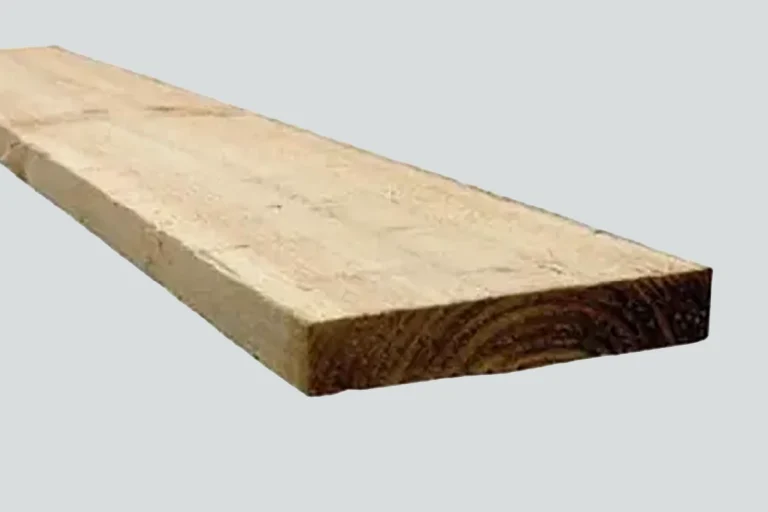
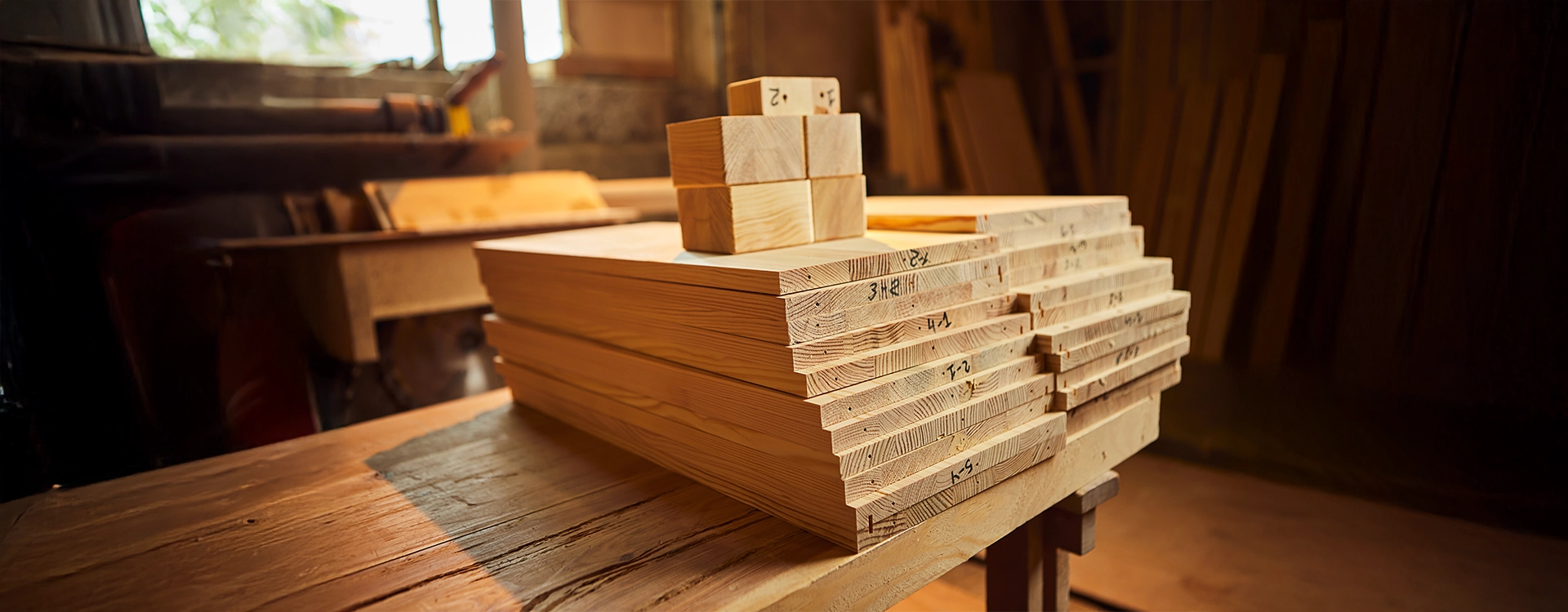
Solid wood boards are milled from a single, continuous piece of timber directly from a log. This traditional profile represents the pinnacle of long-term value because of its thick usable depth.
A high-quality solid hardwood flooring system can be sanded down, repaired, and completely refinished seven to eight times over its lifespan. This allows you to completely erase decades of heavy traffic wear, giving you a floor that can easily endure for a century.
But solid timber is structurally active. It expands and contracts quite a bit when exposed to changing indoor climates, so it must be permanently secured with a direct-stick adhesive bond or secret-nailing to a rigid plywood base, which adds to initial installation labour costs.
2. Multi-Layer Engineered Systems
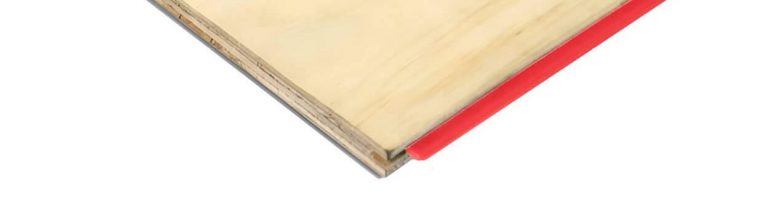
Engineered boards represent a modern evolution in hardwood flooring and wood flooring technology. These planks feature a premium real wood veneer (the wear layer) pressure-bonded over a stable base of cross-laminated plywood or high-density fiberboard ($HDF$).
The core is cross-grained, which means it works against the natural tendency of wood to move, making engineered planks very stable and resistant to warping, cupping or splitting in response to the moisture shifts of modern kitchen spaces or open-plan zones.
For busy areas, the key to longevity lies in selecting a generous wear layer of 4mm to 6mm. Avoid cheap, mass-produced engineered boards with a thin 2mm veneer; these thin surfaces cannot handle the heavy sanding drums used during renovations, turning a long-term property asset into a single-use floor.
III. Board Cut Geometry: Wire-Brushed Textures and Grain Orientation
The way the timber face is cut and textured at the mill will greatly influence how well your floor will hide everyday wear and tear. It’s a perfect high gloss, mirror-like surface that shows every tiny scratch, pet claw mark and speck of dust when the light hits it.
1. The Power of Wire-Brushed Finishes
To maximise scratch concealment in busy homes, specify a wire-brushed surface texture. During production, heavy industrial wire wheels scrape across the surface of the wood, pulling away the softer, new-growth fibres while leaving the dense, structural grain intact.
This process creates a beautiful, textured, multi-dimensional surface. Because the wood already features a natural texture, minor everyday scuffs blend in seamlessly, preventing your busy open-plan living room from looking worn down.
2. Selecting Matte over Gloss
In high-use areas, high-gloss polyurethanes should be avoided. Choose extra-matte or low-sheen matte topcoats instead.
Matte coatings help keep your floor looking spotless and polished all week long by absorbing incoming light rather than reflecting it. This helps conceal dust, grit, and small superficial surface blemishes.
IV. The Protective Finish: Penetrating Oils vs. Advanced Polyurethanes
The clear coating applied over your hardwood flooring acts as your first line of defence against daily traffic. There are two primary coating styles used in modern architecture, and each requires a different long-term maintenance strategy.
1. Advanced Anti-Scratch Polyurethanes
Modern film-forming polyurethanes are strengthened with microscopic additives such as aluminium oxide or ceramic beads to form a tough protective shield over the raw wood. This tough barrier is highly resistant to spills, deep scratches and heavy abrasions.
The downside comes when the finish eventually wears down after a decade of heavy use. Because polyurethane sits on top of the wood as a continuous sheet, you cannot patch up single worn areas. To fix an individual high-traffic pathway, you must empty the room and sand the entire floor back to bare wood before reapplying a fresh coat.
2. Natural Penetrating Oils and Hardwaxes
Penetrating finishes do it differently. These organic oils do not sit on the surface as plastic would, they go deep into the raw pores of the wood, curing from within. This preserves the natural tactile feel of the timber underfoot.
The main advantage of an oiled floor in busy zones is its ability to be spot-repaired. If a heavy object gouges a hallway path, a professional can lightly sand and re-oil that specific section without needing to touch the rest of the room.
While oiled surfaces require a refresh coat every 12 to 24 months, they allow you to keep your floors looking beautiful without ever undergoing a dusty, disruptive whole-house structural sanding project.
V. Color Selection: Visual Management of High-Traffic Grit
High-traffic floors need more than structural density; they need smart colour choices to hide the daily grit, dust and pet hair between cleanings.
- The Extreme Dark Risk:Jet-black, charcoal and deep espresso stains are popular in dramatic minimalist homes but incredibly difficult to maintain in high-use areas. Every time someone walks through the room, footprints and smudges are immediately visible on dark surfaces, which makes light-coloured dust, lint and pet fur stand out.
- The Extreme Light Risk: Pure, bleached white floors offer a clean Scandinavian look, but they quickly highlight dark mud, garden dirt, and black shoe scuffs tracked in from the driveway.
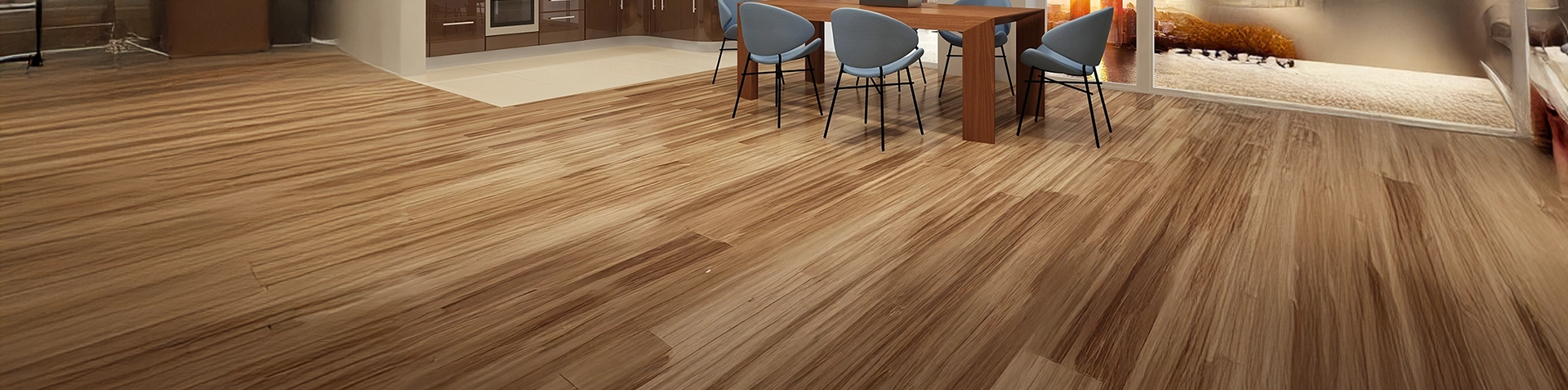
- The Medium-Toned Sweet Spot: To maximise visual maintenance, choose medium-toned, natural palettes like warm honey, light amber, or soft grey-washed oaks. These natural, multi-toned palettes match the colour of everyday dust and outdoor dirt, keeping your home looking clean and welcoming even during busy weeks.
VI. Long-Term Floor Care: Preserving Your Structural Asset
Once your premium hardwood and flooring asset is installed, protecting it from traffic damage requires a clean break from harsh, traditional cleaning routines. Real wood surfaces should never be flooded with water from a standard mop or cleaned with aggressive household chemicals.
Trapped water is a primary cause of floor failures, swelling the joints between boards and leading to permanent cupping and edge splitting.
To clean high-use zones safely, rely on a premium microfiber spray mop that applies a controlled, fine mist of specialised, pH-neutral wood floor cleaner across the planks.
For the best floor mop for hardwood floors, choose a lightweight design with a thick, washable microfibre pad. These soft pads lift fine grit, pet hair and dirt without scratching the protective topcoat, so your investment in hardwood floors will continue to keep their rich lustre and property value for generations.
Crafting a Sanctuary Built to Last
By investing in durable hardwood flooring for your high-traffic zones, you prove you don’t have to sacrifice style for structural performance. You can choose high-density timber species to create a beautiful layout specific to your lifestyle, specify boards with a wire-brushed matte finish, blackout your background substrate and protect the surface with premium matte oils or polyurethanes.
Hybrid vinyl or laminate planks, while alternative products may help lower initial building costs, cannot compare to the timeless prestige, true warmth and long-term appreciation of real wood. By investing the time to engineer your floors, you ensure that your home’s foundation can handle the rhythm of daily life and look stunning for decades to come.
Frequently Asked Questions (FAQ)
1. How do you prevent entryways from wearing down faster than the rest of the floor?
The worst abrasion, grit and moisture tracking occurs in entryways. Protect your investment by using good-quality walk-off mats inside and outside the doorway to create a designated transition zone. Also, put heavy-duty, commercial-grade felt pads on the legs of any furniture that can be moved, and enforce a strict “no shoes indoors” policy to prevent sharp gravel and outdoor stones from damaging your protective finish.
2. Can large dogs damage a premium hardwood floor in high-traffic living areas?
Yes, large dogs can scratch a timber coating if the nails are allowed to grow long and sharp. Protect your floors with an ultra-dense hardwood like Spotted Gum, or a wire-brushed European Oak with a low-sheen matte penetrating oil finish. The texture helps hide claw marks and makes it easy to spot-repair high-use play paths without sanding the entire room back.
3. Why are my hardwood planks creaking and squeaking in the main hallway?
Creaking and squeaking are rarely caused by a defect in the wood itself. Instead, they indicate minor movement between the timber plank and the subfloor beneath it. This happens if the underlying concrete slab or plywood sub-base wasn’t perfectly levelled before installation, leaving tiny hollow pockets underneath. As foot traffic passes over these gaps, the boards flex and rub against each other, creating a squeaking sound.
4. Is it safe to install durable wood flooring in an active kitchen layout?
Yes, engineered timber flooring is an excellent, highly stable choice for modern open-plan kitchens because its multi-layered core effectively resists moisture movement. However, you must wipe up major liquid spills, ice cube drops, and grease splatters immediately to prevent liquids from seeping into the board joints and dulling the finish.
5. How often will a high-traffic timber floor need to be completely sanded back?
In a busy home, a wood floor generally requires only a complete structural sand-back and refinish every 10 to 15 years. But this can be largely extended by applying a fresh maintenance coat of protective oil or lacquer every few years. This simple top-up restores the surface defence layer before everyday scratches ever reach the raw wood fibres beneath.