How Much Does Spotted Gum Decking Cost in Melbourne?
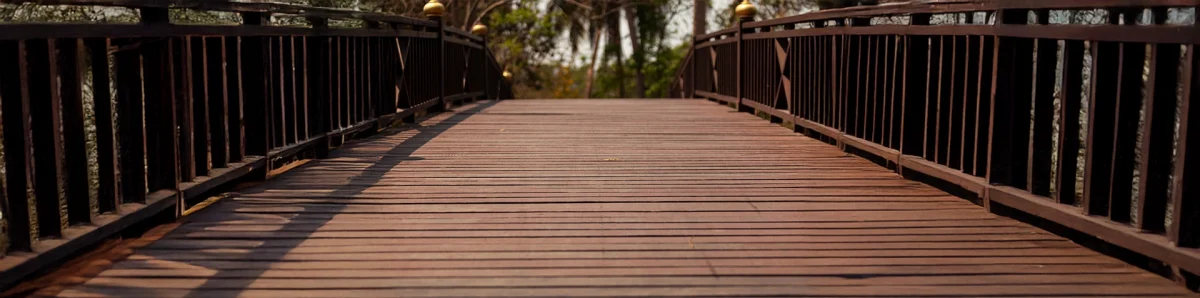
There is a passion for alfresco living amongst the people of Melbourne. The outdoor deck is the ideal connection between the comforts of indoors and the relaxation of outdoors, whether it’s hosting a weekend barbecue on a balmy summer evening in Richmond, enjoying a quiet morning coffee in a landscaped garden in Camberwell or designing a durable pool surround in Brighton.
When it comes to choosing a material that can withstand the notoriously unpredictable weather patterns of Victoria, spotted gum timber decking is an industry favourite. It is a premium Australian hardwood featuring a beautiful wavy grain, a rich spectrum of colour from pale straw blondes to deep chocolate browns and exceptional natural durability.
However, transforming your backyard with a premium spotted gum deck requires moving past initial design ideas and looking closely at real budget figures. If you are a local property owner planning an outdoor project, understanding the true spotted gum decking cost Melbourne suppliers and installers quote is critical to your financial planning. This guide systematically breaks down the material pricing, structural layers, and hidden labour variables that determine your final investment.
Part 1: Sourcing the Wood – Material Costs and Selection Grading
The first major line item on your project invoice is the cost of the raw timber planks. Material pricing for spotted gum decking boards is heavily influenced by three factors: the width of the board, the structural thickness, and the visual grading of the timber face.
Natural timber prices are less stable than synthetic composite decking materials, which are priced consistently because of the uniformity of the material. Material-only supply costs for the local Victorian market tend to fall into discrete categories:
Standard 86mm x 19mm Planks
This narrow profile represents the traditional look for residential decks. It is highly valued for smaller courtyards or narrow balconies as the slimmer lines make tight spaces feel more expansive.
- Average Supply Cost: $6.50 to $9.00 per linear meter.
Wide 135mm x 19mm Planks
Modern architectural trends heavily favour wide-plank profiles. Using a wider board drastically reduces the total number of physical joints across your deck, creating a cleaner, more continuous, luxury surface finish.
- Average Supply Cost: $11.50 to $15.50 per linear meter.
Visual Timber Grading
Showroom quotes change depending on how clean or rustic you want the wood face to look.
- Select Grade: Features an incredibly refined face with minimal natural knots or distinct blemishes. This premium grading carries a price surcharge of 15% to 25% over baseline figures.
- Standard/Natural Grade: Showcases a moderate volume of natural swirls, mineral streaks, and small knots. It represents the classic, organic look most property owners choose.
Part 2: Blackbutt vs. Spotted Gum Decking – The Value Showdown
When budgeting for a high-end hardwood project, local renovators are often faced with a comparison of two of Australia’s most popular timbers: blackbutt decking vs spotted gum decking. They are both premium species with excellent fire-resistance ratings, but they are quite different in appearance and cost.
Blackbutt decking features an even, straw-blonde to pale brown palette with highly consistent, straight grain lines. It is an ideal fit for minimalist or modern coastal styles, often carrying a slightly lower entry material price point.
Spotted gum decking offers rich and dynamic colour variations from soft cream to deep chocolate, combined with a wavy grain with unique fiddleback figure textures. This elite status usually comes with a modest price premium
Part 3: The Subfloor Infrastructure – Framing Material Dynamics
A major mistake homeowners make when calculating an outdoor project budget is focusing entirely on the appearance of the top boards while ignoring the structural network hidden underneath. A deck is only as good as its foundation framing, and the materials used for your joists and bearers will noticeably impact your overall expenses.
Treated Pine Substructures
Using treated pine for your bearer and joist framework is the most common and cost-effective approach. It is easy for carpenters to cut on-site, lightweight, and structurally reliable. For a standard residential low-level deck, a treated pine framework costs between $45 and $75 per square meter in raw materials.
Hardwood or Metal Substructures
If you are building an elevated deck, a structure in a designated high-risk bushfire zone ($BAL-29$ or higher), or a deck with low ground clearance over wet soil, a standard pine frame is not ideal. To ensure your subfloor lasts as long as your premium spotted gum decking, you must specify a preservative-treated hardwood frame or a powder-coated galvanised steel joist system.
While upgrading to a steel or hardwood sub-frame increases your upfront material costs to $90 to $150+ per square meter, it eliminates the risk of subfloor rot and structural warping, keeping your outdoor area safe and level for decades.
Part 4: Deciphering Professional Carpentry and Labour Rates
The on-site labour is highly specialised, and rates will vary depending on the architectural complexity of your backyard layout. For a simple rectangular deck on a level ground site with easy access, professional carpenters generally quote labour-only installation rates of $120 to $180 per square metre.
However, this baseline rate increases if your project includes complex design features:
Site Access and Cleardown
If your property is a tight-access inner-city terrace in Fitzroy or a steep sloping block in the Dandenong Ranges, handling materials becomes slower and more difficult. Clearing away an old, rotten veranda or executing heavy structural earthworks before construction can start will add flat fee demolition charges ranging from $800 to $2,500+, depending on the size of the structure.
Part 5: Complete Project Cost Outlook (Supply and Install)
A full spotted gum decking Melbourne specialist project with material procurement, subfloor structural framing, hidden hardware fasteners and certified trade labour included, will generally be in the following total square meter brackets:
- Basic Residential Package ($280 to $360 per sqm): Covers standard 86mm boards, top-down stainless steel screws, a treated pine framework, built over a flat, easily accessible ground-level site.
- Premium Architectural Package ($380 to $520 per sqm): Covers wide 135mm boards, hidden concealed clip systems, enhanced oil preservation, structural subfloor levelling, and custom elements like picture-frame borders or integrated bench seating.
- Elite/Complex Projects ($550+ per sqm): Covers multi-level designs, steep sloping sites, structural stairs, matching privacy screening panels, or builds meeting strict bushfire compliance codes.
Part 6: Long-Term Preservation and Seasonal Maintenance
Once your premium hardwood deck is completed, protecting your investment from Victoria’s harsh UV rays and winter downpours requires a consistent maintenance routine. Hardwood should never be left completely raw and exposed to the elements, as this will cause the natural oils to dry out, leading to graying, fine surface splitting, and structural checking.
Within 4 to 6 weeks of completion, your deck should be cleaned with a mild timber wash to remove manufacturing oils and mill glaze, followed by two coats of a high-quality, penetrating outdoor timber oil.
Frequently Asked Questions (FAQ)
- Does spotted gum decking meet strict bushfire attack level ($BAL$) requirements in Victoria?
Yes. Spotted gum is one of seven premium Australian hardwoods that naturally meet the rigorous standards for construction in bushfire-prone areas up to $BAL-29$ without additional chemical treatments. It has a high density and is highly fire-resistant, making it a safe and valuable choice for properties near high-risk bushland or rural fringes.
- Why is my new spotted gum deck bleeding a dark, tea-colored liquid after rain?
This behaviour is completely natural and is known as tannin leaching. Spotted gum contains natural, water-soluble sugars called tannins. During the first few heavy rainstorms after installation, these tannins will naturally wash out from the raw ends and faces of the timber boards. To prevent these dark tannins from leaving permanent stains on porous surfaces like expensive sandstone pavers or light off-form concrete below, ensure your outdoor pathways are thoroughly washed down with water during the initial weathering phase.
- Can I build a spotted gum timber deck flat against the ground over a concrete patio?
Building a timber deck directly flush over concrete without an airflow cavity is a major error that will cause early rot and structural failure. When rainwater passes through the board gaps, it becomes permanently trapped underneath without proper ventilation. This creates a perfect breeding ground for mold and wood decay. You must maintain a minimum 150mm ventilation and drainage gap beneath your framing joists, or utilise specialised low-profile rubber pedestal pods over a sloped concrete base to allow trapped water to drain away safely.
- How long do I need to let the timber weather before applying the first coat of oil?
Most local builders recommend letting a fresh spotted gum deck weather out in the elements for 4 to 6 weeks before applying your initial seal. This weathering window allows the natural surface tannins and mill glaze to safely wash away, opening up the wood’s deep pores so it can deeply and evenly absorb your new protective outdoor timber oil.
- Is it better to choose a water-based or an oil-based coating for my outdoor area?
This is a matter of personal preference regarding your maintenance routine. Water-based coatings are a flexible shield on top of the wood, provide great UV protection, and usually last 18-24 months before needing a top-up. Traditional oil-based coatings penetrate deep into the raw pores of the wood fibres, producing a beautiful natural grain. Oil-based coatings, however, break down more rapidly when exposed to direct sunlight and therefore usually require a fresh maintenance coat every 12 months to keep the timber fully protected.