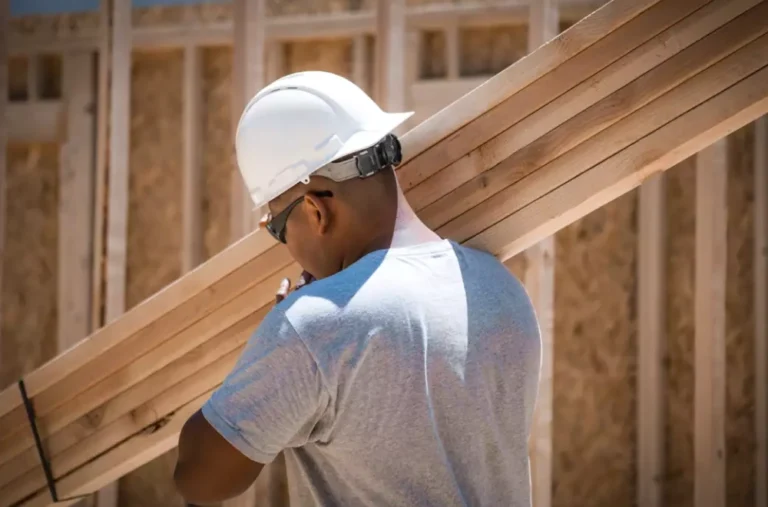

It is 6:30 AM on a crisp Tuesday morning in Melbourne. The site supervisor on a multi-unit townhouse build in Glen Waverley is staring at an empty delivery zone. The frames were scheduled to go up today, but a sudden mill shortage and localised supply bottleneck mean his usual retail timber run fell through. His carpenters are sitting in their Utes drinking coffee, charging $90 an hour per head for doing nothing.
Meanwhile, three suburbs over in Preston, another builder on a custom residential job wakes up to an alert from his dedicated account manager at his local timber yard. Three weeks ago, when whispers of a tight supply run on structural timber started floating around the trade networks, his account manager reserved his MGP10 framing stock, pre-cut his floor joists, and scheduled a staggered 7:00 AM delivery straight to the slab. His site is alive with the sound of nail guns before the morning sun hits the scaffolding.
What made the two results different?
It wasn’t a coincidence. The budget wasn’t larger. When timber markets tighten, prices fluctuate, and lead times lengthen across Victoria, Melbourne builders rely on our special timber trade account.
The Reality of Melbourne’s Timber Supply Chain
Building supplies do not move in a straight line, as anyone who has managed a construction project in Victoria during the previous five years can attest to. Melbourne’s residential building boom, coupled with erratic worldwide shipping swings and timber harvesting limitations, makes the market volatile. From Campbellfield to Frankston, you can get framing pine straight off the rack one month; the following month, lead times treble, structural timber is rationed, and price increases reduce your profit margins.
For smaller residential contractors, commercial builders, and volume home builders alike, supply uncertainty is one of the fastest paths to blown budgets and broken timelines.
When timber runs tight, retail DIY stores and casual walk-in yards naturally prioritise their cash-flow-guaranteed, high-volume commercial clients. If you are buying material on a retail credit card at the front counter every Friday afternoon, you are at the back of the queue when stock gets allocation-managed.
Establishing an account with a true trade timber supplier builders trust changes your standing from an ad-hoc shopper to an integrated supply partner.
1. Priority Allocation: Getting to the Front of the Stock Queue
The fundamental benefit of holding a commercial trade account lies in inventory management mechanics. Major trade yards do not manage stock on a first-come, first-served basis during a supply crunch-they run a prioritised allocation system.
Retail and walk-in buyers are left to cope with leftover floor stock, variable spot pricing, ad-hoc delivery slots and higher risks of site downtime. Trade account partners are benefiting from reserved inventory batches, locked contract pricing, dedicated site crane deliveries and direct account manager support.
When mills restrict supply allocations, timber yards must decide who gets the available packs of structural timber, hardwood flooring, and exterior battens.
Holding a bulk timber account means your material orders are factored into the yard’s forward purchasing models. Good trade suppliers do not just stock for today; they analyze their account holders’ upcoming job schedules months in advance.
When you establish a dedicated trade line:
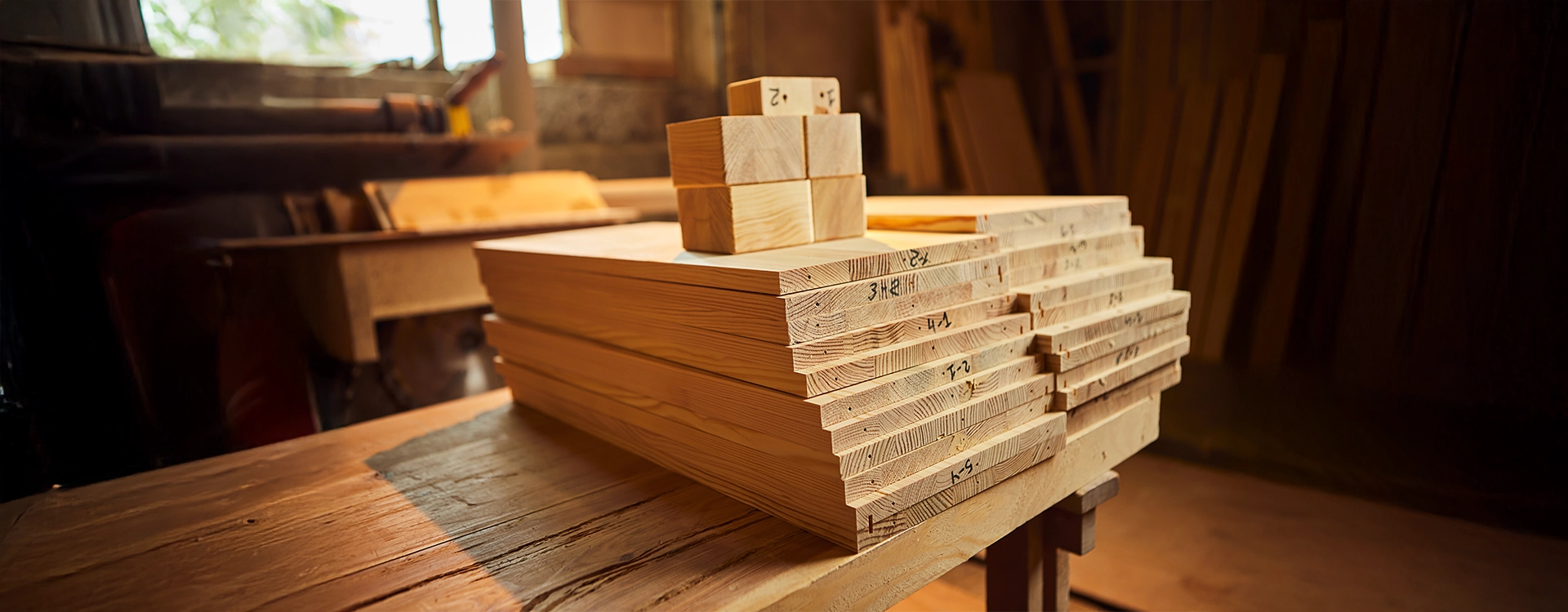
- Forward Stock Reserving: Your account manager can hold physical packs of MGP10, LVLs, or Spotted Gum cladding in the warehouse, tagged specifically for your job site, weeks before your carpenters arrive.
- First Access to Hard-to-Find Sizes:Before they ever reach a retail floor, longer structural parts, premium hardwood posts, or speciality treated pine profiles are sent straight to trade account orders.
- Protected Lead Times: Rather than facing indefinite delays, account holders receive accurate, transparent delivery schedules linked directly to mill output updates.
2. Cash Flow Flexibility: Maintaining Liquidity When Materials Lag
In Victorian construction, managing cash flow necessitates striking a balance between immediate labour and material costs and delayed progress payments. Buying timber on ad hoc retail terms requires builders to expend working capital up front, which puts a significant burden on cash flow when client milestone payments are delayed due to council sign-offs or bank inspections.
A specialized trade account provides a vital financial buffer that keeps site operations running smoothly:
- 30-Day End-of-Month (EOM) Terms: Instead of paying for timber upfront at the trade desk, a trade credit line allows you to order materials, frame the job, complete lock-up stage, and claim your progress payment from the client before the invoice falls due.
- Predictable Material Budgets:Locked-in contract pricing models can be unlocked with trade accounts. Builders receive a fixed-term trade pricing system that protects site margins against abrupt spikes in spot market prices, saving them the trouble of speculating on next month’s material costs.
- Simplified Accounting and Single-Invoicing:Managing hundreds of individual receipts is part of running a website. By combining your project orders into organised, job-coded monthly statements, a trade account streamlines BAS reporting and saves administrative time.
3. Dedicated Account Managers: Your Personal Site Strategist
The structural difference between buying from a generic hardware chain and partnering with a reliable timber supplier Victoria builders depend on comes down to human relationships.
When you open a trade account, you are assigned a dedicated trade representative who understands the local building industry, local council regulations, and site logistics.
Consider these real-world site problem-solving scenarios:
- Scenario: Rain delays your slab pour by two weeks. Trade Solution: Your account manager holds and reshuffles your delivery windows without penalties.
- Scenario: An engineer callout requires an immediate structural timber change on site. Trade Solution: Your trade rep sources alternate LVL or glulam timber substitutes right away.
- Scenario: You are working on a tight access site in an inner-city Melbourne suburb. Trade Solution: Direct driver coordination ensures specialized hiab or crane offloading exactly where and when you need it.
Your trade representative serves as an extension of your project management team, so you don’t have to deal with a different cashier each time you call. They examine your timber take-offs, point out possible long-lead products, and offer substitute materials in the event that a certain species or size experiences brief market shortages.
4. Custom Take-Offs and Pre-Cut Precision
You lose time on your programme schedule when you spend time on site measuring, cutting, and modifying timber framing. Leading trade suppliers in Melbourne provide specialised value-add services that speed up construction rather than just dropping off raw timber packs at your boundary line.
- Plan Take-Off Services:Forward your architectural and structural engineering drawings straight to your trade representative. Skilled estimators reduce site timber waste and overordering costs by calculating accurate timber schedules.
- Pre-Cut and Packaged Orders:Pre-sorted framing packs enable your carpenters to begin building structures right away, cutting down on site sorting time by hours every week. Get timber grouped by frame zone, floor layout, or room module.
- Specialised Joinery and Milling:A specialised trade yard manages bespoke milling in-house, guaranteeing exact finishes that adhere to Australian Building Standards for everything from custom arched door jambs to particular timber screening batten profiles.
5. Site Logistics Built for Melbourne’s Suburban Challenges
Tailored logistics are needed to navigate site access throughout Melbourne’s varied metropolitan setting. A suburban development in Tarneit or an open-acre lot in Mornington require a totally different delivery strategy than a confined inner-city site in Fitzroy.
Retail timber deliveries often rely on generic third-party couriers who drop heavy timber packs on the front nature strip, leaving your crew to manually haul tons of wood onto the site.
In contrast, dedicated timber supply for builders in Melbourne trade yards operates specialised crane and flatbed fleets designed specifically for construction environments:
- Precision Crane Drops: Crane trucks drop packs directly onto upper floor joists, behind boundary walls, or inside tight garage footprints, saving hours of manual labour.
- Staggered Site Deliveries: Rather than cluttering tight sites with a full house lot of timber at once—exposing materials to rain damage and theft—trade accounts allow you to schedule staggered, stage-by-stage deliveries.
- Direct Driver Communication:Direct communication between site supervisors and trade delivery drivers guarantees that deliveries are made within specific morning or afternoon windows that correspond with the availability of site access.
Comparing Timber Purchasing Channels
In deciding between your procurement options, the differences between commercial trade accounts, informal walk-in yards and retail chains are immediately apparent:
- Stock Allocation Priority: Retail chains offer low priority using public floor stock, and walk-in yards operate on a first-come basis. A commercial trade account guarantees high priority through reserved stock batches.
- Pricing Model: Retail chains charge spot prices and walk-in yards offer variable counter rates. Trade accounts give you access to locked contract trade rates.
- Payment Terms: Retail and walk-in options require upfront cash, cards, or cash-on-delivery. A trade account provides flexible 30-Day End-of-Month credit terms.
- Site Delivery Options:While trade accounts offer staggered stage deliveries and specialised crane dumping, retail channels offer generic kerbside drops.
- Account Management & Take-Offs: Counter staff at retail and casual yards cannot offer dedicated support or architectural plan take-offs. Trade accounts include a dedicated trade representative and detailed plan estimation services.
Securing Your Supply Chain Before the Next Crunch
In Australia’s fast-moving construction industry, the reality is that a project’s profitability is determined long before the final lock-up stage of the project. Unexpected material delays, surprise price increases and poor site delivery coordination can quickly eat away your profit margins and damage your reputation with clients.
Opening a timber trade account Melbourne builders trust provides the supply security, financial flexibility, and expert support needed to keep site programs moving, even when timber markets face severe supply pressures.
By building a long-term relationship with a reliable trade supplier, you ensure your jobs stay on schedule, your cash flow stays healthy, and your sites remain productive every day of the week.
Frequently Asked Questions (FAQ)
1. What are the requirements for opening a timber trade account in Melbourne?
Builders usually need an active Australian Business Number (ABN) or Australian Company Number (ACN), legitimate trade references from current building industry suppliers, and a completed credit application form in order to open a commercial timber trade account in Victoria. The majority of trade suppliers demand that candidates run a registered trade firm in the construction industry or possess an active building license.
2. How do 30-day EOM credit terms help manage residential build cash flow?
Under 30-day End-of-Month (EOM) terms, items acquired during a calendar month (like March) are not due until the end of the subsequent month (April 30). Before paying their material invoices, builders can accomplish important building milestones, pass site inspections, and get progress payments from their clients thanks to this 60-day financial runway.
3. Can a trade account help secure specialized or hard-to-find hardwood timber species?
Yes. Commercial trade yards maintain direct relationships with major Australian sawmills and timber importers. Holding a trade account gives you direct access to your supplier’s procurement team, allowing them to source hard-to-find species (such as Spotted Gum, Ironbark, or Blackbutt), long-length structural LVLs, and custom-milled profiles that are not available through retail outlets.
4. What is the difference between purchasing per linear meter and ordering via architectural take-offs?
Purchasing per linear metre necessitates the manual calculation and purchasing of timber lengths, which frequently results in overordering or shortages of site lumber. In order to produce accurate, cut-to-length timber bills, the technical staff of the trade yard immediately reviews your building drawings as part of architectural take-off services. This procedure guarantees that each framing member complies with structural engineering drawings, minimises material waste, and minimises project costs.
5. How do trade delivery services handle tight inner-city build sites in Melbourne?
Dedicated fleets of multi-axis crane arms (Hiab trucks) and specialised delivery vehicles that can manoeuvre via restricted site approaches and narrow streets are operated by trade timber suppliers. Delivery timetables are coordinated, site traffic permits are arranged if necessary, and crane drivers are instructed to drop timber packs safely within your site’s boundaries by your dedicated trade agent.